
 Chloe Davis
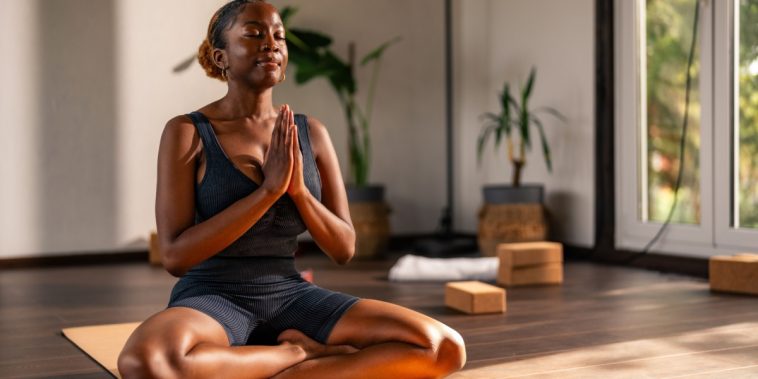
Discover the best yoga for muscle recovery with 10 simple poses to reduce soreness, improve flexibility, and speed up recovery after workouts.
Sore after a workout? You’re not alone.
Muscle soreness—especially delayed onset muscle soreness (DOMS)—happens when your muscles experience tiny tears after exercise. While rest is important, gentle movement like yoga can actually help your body recover faster.
Yoga improves circulation, reduces stiffness, and helps your muscles relax—making it one of the best natural ways to recover.
In this guide, you’ll learn:
- Why yoga helps muscle recovery
- 10 best yoga poses for sore muscles
- Tips to recover faster and avoid injury
Let’s get started.
Why Yoga Helps Muscle Recovery
Yoga is more than just stretching—it combines movement, breathing, and relaxation to support recovery.
Here’s how it works:
- Improves blood flow to deliver oxygen and nutrients to muscles
- Reduces inflammation and tension
- Increases flexibility and range of motion
- Activates the body’s relaxation response for faster healing
Practicing gentle yoga after workouts can significantly reduce soreness and improve how your body feels the next day.
10 Best Yoga Poses for Muscle Recovery
1. Child’s Pose (Balasana)
Best for: Lower back, hips, full-body relaxation
How to do it:
- Kneel on the mat and sit back on your heels
- Stretch your arms forward
- Lower your chest and rest your forehead on the mat
Hold for: 30–60 seconds
Benefits:
- Releases tension in the back and shoulders
- Promotes relaxation
- Gently stretches tight muscles
2. Downward Facing Dog
Best for: Hamstrings, calves, shoulders
How to do it:
- Start in a plank position
- Lift your hips upward to form an inverted “V”
- Press your heels gently toward the floor
Hold for: 30–60 seconds
Benefits:
- Improves circulation
- Stretches the entire back body
- Reduces stiffness after workouts
3. Cat-Cow Stretch
Best for: Spine, neck, core
How to do it:
- Start on hands and knees
- Inhale: drop your belly and lift your head
- Exhale: round your spine and tuck your chin
Repeat: 8–10 breaths
Benefits:
- Improves spinal mobility
- Relieves tension in the back
- Warms up muscles gently
4. Low Lunge (Anjaneyasana)
Best for: Hip flexors, quads
How to do it:
- Step one foot forward into a lunge
- Lower your back knee to the mat
- Lift your chest and reach arms overhead
Hold for: 30 seconds each side
Benefits:
- Opens tight hips
- Reduces soreness from running or leg workouts
- Improves flexibility
If you’re just getting started, our Beginner Yoga guide is perfect for learning simple poses and building a strong foundation.
You can also try a gentle Morning Yoga Routine to wake up your body and reduce stiffness after sleep.
For deeper recovery and stress relief, don’t miss our Yoga for Relaxation guide to help your body fully unwind.
5. Seated Forward Fold
Best for: Hamstrings, lower back
How to do it:
- Sit with legs extended
- Reach toward your feet
- Keep your spine long
Hold for: 30–60 seconds
Benefits:
- Stretches hamstrings
- Relieves lower back tension
- Calms the nervous system
6. Supine Twist
Best for: Spine, back, hips
How to do it:
- Lie on your back
- Bring one knee across your body
- Extend the opposite arm out
Hold for: 30 seconds each side
Benefits:
- Releases spinal tension
- Improves mobility
- Aids relaxation
7. Legs Up the Wall
Best for: Legs, circulation
How to do it:
- Lie on your back with legs extended up a wall
- Keep arms relaxed by your sides
Hold for: 2–5 minutes
Benefits:
- Reduces leg fatigue
- Improves circulation
- Speeds up recovery
8. Pigeon Pose
Best for: Glutes, hips
How to do it:
- Bring one knee forward and extend the other leg back
- Lower your hips toward the floor
Hold for: 30–60 seconds each side
Benefits:
- Deep hip stretch
- Relieves tightness after workouts
- Improves mobility
9. Bridge Pose
Best for: Glutes, lower back
How to do it:
- Lie on your back with knees bent
- Lift your hips upward
- Press through your feet
Hold for: 20–30 seconds
Benefits:
- Strengthens and stretches the back
- Reduces lower back discomfort
- Improves posture
10. Corpse Pose (Savasana)
Best for: Full-body recovery
How to do it:
- Lie flat on your back
- Relax your entire body
- Focus on slow breathing
Hold for: 3–5 minutes
Benefits:
- Promotes deep relaxation
- Helps muscles recover
- Reduces stress and fatigue
Tips to Recover Faster with Yoga
To get the most out of your recovery:
- Stay hydrated to support muscle repair
- Practice gentle yoga instead of intense stretching
- Combine yoga with light movement like walking
- Get enough sleep for optimal recovery
- Avoid pushing into pain
Safety Tips
- Move slowly and mindfully
- Modify poses when needed
- Stop if you feel sharp pain
- Allow your body time to rest
FAQs
Is yoga good for sore muscles?
Yes. Gentle yoga increases blood flow and reduces stiffness, helping muscles recover faster.
Should I do yoga when sore?
Light yoga is beneficial, but avoid intense sessions if soreness is severe.
How often should I do yoga for recovery?
2–4 times per week is ideal for most people.
Final Thoughts
Yoga is one of the simplest and most effective ways to support muscle recovery.
By practicing these 10 poses regularly, you can reduce soreness, improve flexibility, and help your body feel stronger after every workout.
If you’re just getting started, try a gentle routine and listen to your body—you’ll feel the benefits quickly.

GIPHY App Key not set. Please check settings