
 Chloe Davis
Introduction
Modern life can leave both the body and mind feeling constantly overwhelmed. Restorative yoga is a gentle practice designed to help you slow down, release tension, and deeply relax.
Unlike fast-paced yoga styles, restorative yoga focuses on stillness, long-held poses, and deep breathing. With the support of props like pillows, blankets, or bolsters, the body can fully relax and recover.
What Is Restorative Yoga?
Restorative yoga is a calming style of yoga that encourages physical and mental relaxation. Poses are typically held for several minutes while the body is fully supported.
The goal is not to stretch deeply or build strength, but to activate the body’s “rest and digest” response and calm the nervous system.
Many people practice restorative yoga to:
- Reduce stress and anxiety
- Improve sleep quality
- Recover from fatigue
- Relax tight muscles
- Create a sense of calm and balance
Benefits of Restorative Yoga
1. Reduces Stress and Anxiety
Restorative yoga helps calm the nervous system and may lower stress levels by encouraging slow breathing and relaxation.
2. Improves Sleep Quality
Gentle restorative poses before bedtime may help the body unwind and prepare for deeper sleep.
3. Relieves Muscle Tension
Supported poses allow muscles to soften without strain, helping release built-up tension in the neck, shoulders, hips, and back.
4. Supports Mental Well-Being
Taking time to slow down and focus on breathing can improve mood and create a greater sense of calm and mindfulness.
7 Restorative Yoga Poses for Deep Relaxation
1. Child’s Pose (Balasana)
Child’s Pose gently stretches the back, hips, and shoulders while promoting relaxation.
How to do it:
- Kneel on the floor
- Sit back on your heels
- Fold forward and rest your forehead on the mat or a pillow
- Extend your arms forward or rest them by your sides
Hold for 3–5 minutes.
2. Legs-Up-the-Wall Pose (Viparita Karani)
This calming inversion helps reduce fatigue and relax tired legs.
How to do it:
- Sit beside a wall
- Swing your legs up against the wall
- Rest your arms comfortably at your sides
Hold for 5–10 minutes.
3. Reclining Bound Angle Pose
This pose gently opens the hips and chest while encouraging deep relaxation.
How to do it:
- Lie on your back
- Bring the soles of your feet together
- Let your knees fall open naturally
- Place pillows under your knees for support if needed
4. Supported Bridge Pose
Supported Bridge Pose helps release tension in the lower back and chest.
How to do it:
- Lie on your back with knees bent
- Lift your hips slightly
- Place a yoga block or pillow under your hips for support
Hold comfortably while breathing slowly.
5. Seated Forward Fold
This calming forward bend helps quiet the mind and stretch the back body gently.
Tip: Bend your knees slightly if your hamstrings feel tight.
6. Supine Twist
Gentle twisting can help release tension in the spine and lower back.
How to do it:
- Lie on your back
- Hug your knees into your chest
- Drop them gently to one side
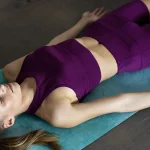
7. Corpse Pose (Savasana)
Savasana is the final relaxation pose commonly practiced at the end of yoga sessions.
How to do it:
- Lie flat on your back
- Relax your arms and legs completely
- Close your eyes and focus on slow breathing
Stay here for at least 5 minutes.
Tips for a Better Restorative Yoga Practice
- Use pillows, blankets, or bolsters for support
- Practice in a quiet environment
- Focus on slow, steady breathing
- Avoid forcing stretches
- Hold poses longer for deeper relaxation
Common Mistakes to Avoid
1. Stretching Too Deeply
Restorative yoga should feel gentle and comfortable.
2. Rushing Through Poses
Slow down and allow your body time to relax.
3. Forgetting to Breathe
Deep breathing is one of the most important parts of the practice.
4. Treating Restorative Yoga Like a Workout
The goal is relaxation, not intensity.
Final Thoughts
Restorative yoga is a simple yet powerful way to relax the body and calm the mind. By slowing down and practicing gentle supported poses, you can reduce stress, improve sleep, and create a deeper sense of well-being.
Even a short restorative yoga session can make a big difference after a stressful day.
FAQ
Q: Is restorative yoga good for beginners?
A: Yes. Restorative yoga is beginner-friendly because the poses are gentle and supported.
Q: How long should I hold restorative yoga poses?
A: Most poses are held for 3–10 minutes depending on comfort.
Q: Do I need yoga props?
A: No. Pillows, blankets, and cushions can work just as well at home.
Q: Is restorative yoga the same as yin yoga?
A: Not exactly. Restorative yoga focuses on relaxation and support, while yin yoga focuses more on deep stretching.
You may also like:
- Morning Yoga Routine: https://yogadisciples.com/morning-yoga-flows-to-start-your-day-with-energy/
- Yoga for Stress Relief: https://yogadisciples.com/best-yoga-poses-for-neck-and-shoulder-pain-beginner-friendly-guide/
- Beginner Yoga Guide: https://yogadisciples.com/the-ultimate-beginner-yoga-routine-you-can-do-at-home/

GIPHY App Key not set. Please check settings