


 Dominic
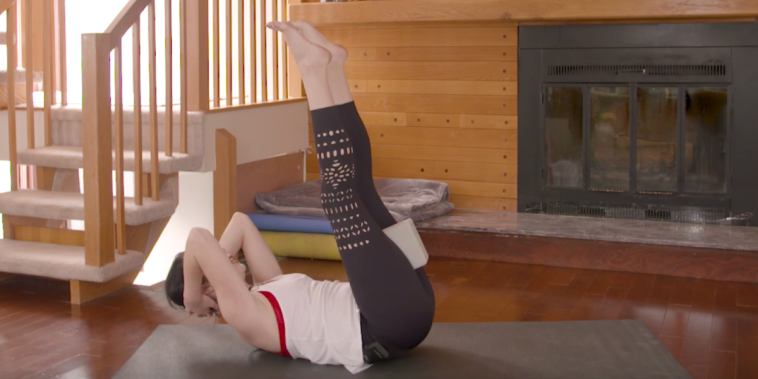
Starting a yoga practice often brings a mix of excitement and uncertainty. The poses may look simple from the outside, yet the body quickly reveals where support, balance, and patience are needed. Accessories can bridge that gap by making practice feel more approachable and less intimidating. Rather than complicating things, the right tools create a sense of ease that allows focus to settle on movement and breath.
Yoga accessories are not about doing more but about doing things with greater care. They reduce unnecessary strain and help establish good habits from the beginning. With the right support, practice becomes something that fits naturally into daily life instead of feeling like a constant challenge. These tools quietly encourage consistency, which matters more than perfection.
Why Accessories Matter at the Start
Early experiences often shape whether a yoga practice continues or fades away. Discomfort, frustration, or fear of doing poses incorrectly can create mental barriers. Accessories help soften those edges by offering stability and reassurance.
Supportive tools allow poses to meet the body where it is rather than forcing the body into unfamiliar shapes. This creates a sense of safety that encourages exploration. Feeling supported builds confidence, and confidence makes it easier to return to the mat regularly.
Accessories also teach awareness. They highlight alignment, spacing, and balance in ways that words alone cannot. This physical feedback lays a strong foundation for future growth.
A Reliable Yoga Mat as the Foundation
A yoga mat is often the first accessory people encounter, and its role cannot be overstated. It defines personal space and provides traction that supports balance and control. Practicing on a stable surface makes movements feel more intentional and secure.
Grip is especially important for beginners. Slipping hands or feet can break concentration and create tension. A mat with reliable traction allows focus to stay on posture and breath instead of worrying about stability.
Comfort also matters. Adequate cushioning protects joints during kneeling, seated, and floor-based poses. A mat that feels supportive encourages longer, more relaxed sessions.
Yoga Blocks for Support and Confidence
Yoga blocks quickly become trusted companions for beginners. They bring the floor closer and reduce strain in poses that require flexibility not yet developed. This support helps maintain proper alignment without forcing depth.
Blocks are useful in standing poses where balance feels uncertain. Placing a block under the hand can transform an unstable pose into one that feels grounded and controlled. That sense of stability builds confidence over time.
They also encourage patience. Instead of rushing toward deeper shapes, blocks invite gradual progress. This steady approach protects joints and muscles while promoting long-term consistency.
Yoga Straps for Flexibility and Reach
Yoga straps extend reach without sacrificing alignment. They are especially helpful in poses that involve binding or stretching the shoulders and hamstrings. Using a strap keeps the spine long and prevents overreaching.
For beginners, straps remove the pressure to force flexibility. They allow the body to relax into stretches while maintaining proper form. This reduces the risk of strain and builds flexibility gradually.
Straps also support mindful movement. They encourage awareness of where tension lives and how breath influences stretch. This awareness deepens the practice beyond physical shapes.
Bolsters for Comfort and Relaxation
Bolsters add a level of comfort that transforms how rest feels in yoga. They support the body during restorative poses, allowing muscles to release fully. This is especially helpful for beginners who may feel tension during stillness.
Resting on a bolster reduces effort and invites relaxation. It supports the spine, hips, or chest in ways that pillows often cannot. This support helps the nervous system settle, making relaxation more accessible.
Bolsters also teach the value of rest. Beginners often focus on movement and overlook recovery. A bolster encourages balance by reminding the body that rest is part of practice.
Blankets as Versatile Support Tools
Yoga blankets are simple yet incredibly versatile. They provide padding, warmth, and subtle support in many poses. Folding a blanket creates customized height and cushioning.
Blankets protect sensitive joints during kneeling or seated poses. They also support alignment by filling gaps between the body and the floor. This small adjustment can make poses feel more sustainable.
Beyond physical support, blankets add comfort. Feeling warm and supported encourages relaxation during final rest. This comfort helps beginners associate yoga with ease rather than effort.
Cushions and Meditation Seats
Sitting comfortably can be challenging at the beginning. Cushions and meditation seats elevate the hips, making it easier to maintain an upright spine. This support reduces strain in the lower back and knees.
Comfortable seating encourages longer periods of stillness. When the body feels supported, attention can settle inward. This makes breathing and meditation practices more approachable.
These seats also reinforce good posture habits. By supporting the natural curve of the spine, they promote awareness that carries into daily life. Small adjustments create lasting benefits.
Towels for Grip and Hygiene
Sweat can quickly turn a stable pose into a slippery one. Yoga towels address this by adding grip and absorbing moisture. They are especially useful during dynamic or heated practices.
Placing a towel over the mat or using smaller grip towels under the hands improves traction. This added stability helps beginners feel secure during transitions. Confidence grows when slipping is no longer a concern.
Towels also support hygiene. They are easy to wash and help keep mats cleaner. This practicality makes practice feel fresher and more inviting.
Eye Pillows for Deep Relaxation
Eye pillows enhance relaxation by gently blocking light and adding soothing weight. They encourage the eyes to soften, which signals the body to rest. This small accessory can deepen final relaxation significantly.
The gentle pressure of an eye pillow helps quiet mental chatter. It creates a sense of containment that supports letting go. Beginners often find this grounding during moments of stillness.
Eye pillows also reinforce the importance of rest. Ending practice with true relaxation helps integrate the physical and mental benefits of yoga. This closing ritual becomes something to look forward to.
Supportive Clothing as an Accessory
Clothing plays a subtle yet important role in practice. Comfortable, well-fitting attire allows freedom of movement without distraction. Feeling at ease in clothing supports focus and confidence.
Beginners benefit from clothing that stays in place during movement. Constant adjustments interrupt flow and concentration. Simple, breathable fabrics create a sense of ease.
Clothing also influences mindset. Wearing something that feels supportive and comfortable encourages a positive relationship with practice. This mental comfort supports consistency.
Water Bottles and Hydration Tools
Staying hydrated supports physical performance and recovery. A dedicated water bottle nearby encourages mindful hydration before and after practice. This habit supports overall well-being.
Having water accessible reduces distraction. Beginners can focus on practice without worrying about leaving the mat. This continuity supports a calmer experience.
Hydration tools also reinforce self-care. They remind practitioners to listen to the body’s needs. This awareness extends beyond the mat into daily routines.
Storage and Organization Accessories
Keeping accessories organized makes practice more inviting. Simple storage solutions prevent clutter and make it easier to begin. When tools are accessible, excuses to skip practice diminish.
A designated space for yoga accessories creates a ritual. Rolling out the mat and gathering props signals the start of practice. This consistency supports habit formation.
Organization also protects accessories. Proper storage extends their lifespan and keeps them clean. Caring for tools reflects care for the practice itself.
Balancing Simplicity and Support
It can be tempting to collect many accessories at once. Simplicity often serves beginners better. Starting with a few key tools allows space to learn what truly supports practice.
Each accessory should serve a clear purpose. When tools feel helpful rather than overwhelming, they enhance experience. This mindful approach prevents distraction.
Over time, needs may change. Accessories can be added gradually as practice evolves. This organic growth mirrors the natural progression of yoga itself.
Building Confidence Through Support
Accessories quietly build confidence by reducing fear of doing poses incorrectly. Support allows exploration without pressure. This freedom encourages curiosity and patience.
Confidence grows when practice feels manageable. Tools remove unnecessary obstacles, making it easier to focus on breath and movement. This focus deepens connection to the body.
As confidence builds, reliance on accessories may shift. Some tools remain essential, while others become optional. This flexibility reflects personal growth.
Listening to the Body With the Help of Accessories
Accessories amplify bodily feedback. They reveal where support is needed and where strength is developing. This awareness encourages mindful adjustment.
Using props fosters a dialogue between intention and sensation. The body communicates clearly when supported appropriately. This conversation builds trust.
Listening in this way reduces the urge to push beyond limits. Accessories remind beginners that progress is not a race. Honoring the body creates sustainable practice.
Creating a Supportive Practice Environment
Accessories contribute to the overall atmosphere of practice. A comfortable setup signals safety and care. This environment supports relaxation and focus.
Lighting, temperature, and space matter alongside tools. Together, they create a setting that invites presence. Accessories play a quiet but meaningful role in this balance.
A supportive environment encourages consistency. When practice feels welcoming, returning to the mat becomes easier. This regularity nurtures growth.
Final Thoughts
Yoga accessories offer beginners a gentle introduction to practice by providing support, comfort, and confidence. They reduce unnecessary strain and encourage mindful movement. These tools help transform yoga into a sustainable habit rather than a temporary experiment.
The right accessories create space for learning and exploration. They support the body while teaching awareness and patience. This foundation allows practice to evolve naturally over time.
Ultimately, accessories are companions rather than requirements. They meet the body where it is and adapt as needs change. With thoughtful use, they help make yoga an accessible and rewarding part of everyday life.



GIPHY App Key not set. Please check settings