
 Chloe Davis
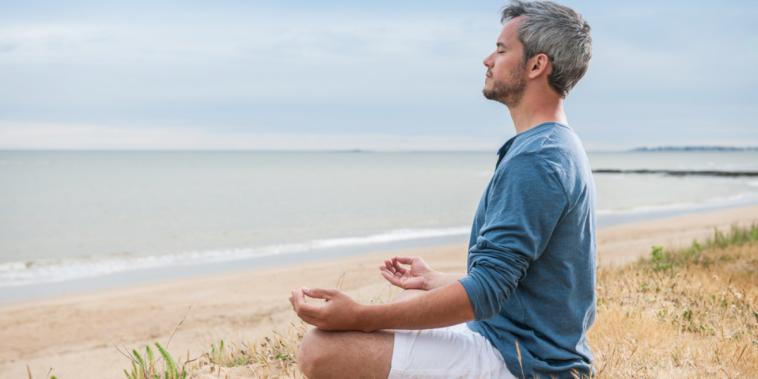
Breathing sits at the center of my yoga practice, shaping how each posture feels, how long I can stay present, and how deeply I connect to what is happening on the mat. Without drawing attention to technique right away, the breath quietly influences strength, flexibility, balance, and mental focus all at once. The moment breath and movement begin to work together, yoga stops feeling like a series of poses and starts feeling like a continuous experience that moves from the inside outward.
I notice that on days when my breath feels steady, my practice feels calmer even if the sequence itself is physically demanding. On days when my breathing is rushed or shallow, the same poses feel heavier and less coordinated. That contrast alone shows how much influence breathing has over the entire practice, long before flexibility or strength ever come into play.
Breath As the Foundation of Movement
Breath sets the rhythm for how I move through poses, transitions, and holds. When inhalations and exhalations are smooth, movement becomes intentional rather than forced. Each posture gains a sense of timing that allows me to arrive fully instead of rushing from one shape to the next.
I experience this most clearly in flowing sequences where every inhale creates space and every exhale supports stability. The body feels guided rather than pushed, and muscles respond with less resistance. Over time, this rhythm reduces unnecessary tension and makes longer practices feel sustainable instead of draining.
How Breath Shapes Physical Strength
Strength in yoga does not come only from muscular effort; it comes from how breath supports that effort. When I hold a pose like plank or chair, steady breathing distributes effort evenly through the body. Instead of gripping in one area, strength feels balanced and controlled.
Breathing also prevents fatigue from taking over too early. Slow, consistent breaths deliver oxygen where it is needed and reduce the urge to tense the jaw or shoulders. This allows strength to build gradually and safely, rather than through strain or force.
Flexibility Grows Through Exhalation
Flexibility shifts dramatically when the exhale is given proper attention. I find that muscles soften more easily when I release air slowly, allowing the body to open without resistance. Stretching becomes less about pushing deeper and more about allowing space to appear naturally.
Over time, this approach protects joints and connective tissue. The breath acts as a signal of safety, telling the nervous system that it is okay to release. As a result, flexibility increases without the soreness or setbacks that come from forcing depth too quickly.
Breath and Balance Working Together
Balance improves when breath remains calm and even. In standing poses or single-leg balances, any disruption in breathing immediately affects stability. A held breath creates tension, while uneven breathing creates distraction.
By keeping the breath steady, I give the body a consistent internal reference point. Balance becomes less about fighting wobble and more about adapting to it. This shift makes balancing poses feel grounded rather than stressful.
The Nervous System Connection
Proper breathing directly influences the nervous system, shaping how the body responds to challenge. Slow, controlled breathing activates relaxation responses that reduce stress hormones. This allows poses to feel approachable even when they are physically demanding.
I notice that my reactions to discomfort change when breath remains steady. Instead of pulling away or tensing up, I stay present and responsive. This calm response carries beyond the mat into daily life, reinforcing yoga as a holistic practice rather than a physical workout alone.
Breath Awareness During Transitions
Transitions often reveal whether breath and movement are truly connected. Moving between poses with awareness keeps energy flowing smoothly. Each inhale supports lift or expansion, while each exhale supports grounding or release.
When transitions are guided by breath, they become as meaningful as the poses themselves. The practice feels continuous rather than segmented, creating a sense of flow that enhances focus and enjoyment.
Breathing and Mental Focus
Breath anchors attention to the present moment. By returning awareness to inhalation and exhalation, distractions lose their grip. Thoughts may still arise, but they no longer dominate the experience.
This focus sharpens concentration throughout practice. Instead of mentally counting seconds or anticipating the next pose, attention stays with sensation and movement. The result is a practice that feels immersive and mentally refreshing.
Emotional Release Through Breath
Emotions often surface when breath deepens and becomes more conscious. Certain poses paired with slow breathing create space for emotional release without forcing it. This process feels gentle yet profound.
I have noticed that breathing allows emotions to move rather than remain stuck in the body. After practice, there is often a sense of lightness and clarity that goes beyond physical relaxation. This emotional aspect reinforces the value of breath as more than a mechanical tool.
Building Endurance With Breath Control
Endurance improves when breath is used efficiently. Longer holds and extended sequences feel manageable when breathing remains consistent. The body adapts gradually instead of reaching exhaustion quickly.
This endurance is not about pushing limits aggressively. It grows from patience, awareness, and respect for the body’s signals. Breath becomes a guide that indicates when to stay, when to ease off, and when to rest.
Breath and Alignment Awareness
Alignment becomes clearer when breath supports awareness. Each inhale creates space to notice posture, while each exhale encourages subtle adjustments. This ongoing feedback loop refines alignment naturally.
Rather than overthinking form, I rely on breath to highlight areas of tension or imbalance. Adjustments feel intuitive instead of forced. Over time, this approach builds safer habits and reduces the risk of strain.
The Role of Breath in Restorative Poses
Restorative poses reveal the quiet power of breath. In stillness, breathing becomes the primary movement within the body. Each breath gently expands and softens tissues without effort.
These moments deepen relaxation and promote recovery. The nervous system settles, and the mind slows down. Breath transforms rest into an active form of healing.
Developing Consistency Through Breath
Consistency in practice grows when breathing feels natural and supportive. A practice guided by breath feels accessible on both high-energy and low-energy days. This adaptability encourages regular engagement rather than burnout.
I find that returning to breath creates continuity even when sequences change. No matter the style or intensity, breathing remains the constant thread that ties the practice together.
Breath as a Tool for Self-Observation
Breath reveals patterns of effort, resistance, and distraction. By observing breathing habits, I learn how I respond to challenge and ease. This awareness extends beyond the mat into everyday situations.
Recognizing these patterns creates opportunities for change. Shallow breathing often signals stress, while steady breathing reflects balance. Yoga becomes a mirror that reflects internal states clearly and honestly.
Integrating Breath Off the Mat
The effects of proper breathing extend into daily life. Moments of stress, fatigue, or overwhelm become opportunities to return to steady breathing. This simple action restores clarity and composure.
By practicing breath awareness regularly, it becomes second nature. Yoga influences posture, mood, and decision-making throughout the day. Breath bridges the gap between practice and real life.
Breath and Long-Term Progress
Long-term progress in yoga depends on sustainable habits. Breath-centered practice supports growth without injury or burnout. Each session builds on the last in a steady, reliable way.
Rather than chasing advanced poses, progress becomes measured by presence and control. Breathing well reflects a mature practice that values awareness over achievement.
Final Thoughts
Proper breathing changes the entire yoga practice by influencing movement, strength, flexibility, focus, and emotional balance. It transforms poses from isolated shapes into a connected experience that feels purposeful and alive. Through consistent attention to breath, yoga becomes less about external form and more about internal awareness.
Breath offers guidance, stability, and insight in every session. By honoring it as the foundation of practice, yoga evolves into a sustainable, deeply personal journey that continues to grow both on and off the mat.


GIPHY App Key not set. Please check settings