
 Dominic
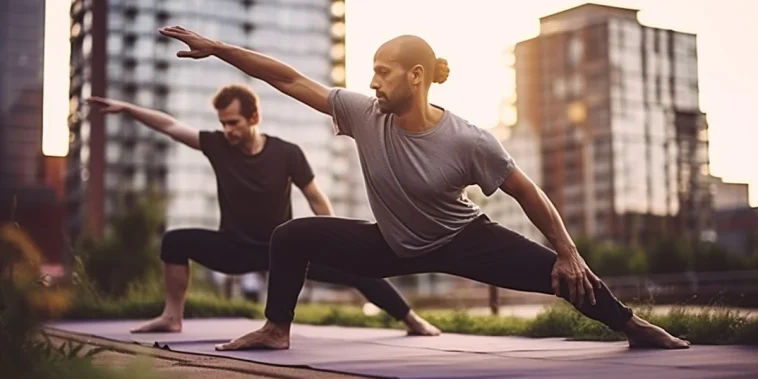
Stress rarely announces itself all at once. It accumulates through small moments of tension, mental overload, and constant stimulation that slowly wear down the nervous system. Yoga offers a direct way to interrupt that cycle by working with the body and breath at the same time. Through regular practice, I have seen how stress relief becomes less about escaping pressure and more about teaching the nervous system how to return to balance.
The nervous system responds to how the body moves, breathes, and rests. Yoga creates intentional conditions that signal safety, allowing the body to shift out of survival mode. Over time, this shift becomes easier and more reliable. Stress stops running the show when the nervous system learns how to reset.
How Stress Lives in the Body
Stress is not just a mental experience. It shows up physically as tight muscles, shallow breathing, restless energy, and fatigue that sleep does not always fix. The body holds onto stress as a protective response, even when the original threat is long gone.
Yoga brings attention to these physical patterns without forcing change. By noticing where tension lives, the body begins to soften on its own. This awareness is the first step toward releasing stress at its source rather than masking it temporarily.
The Nervous System and Its Two States
The nervous system constantly shifts between activation and rest. Activation supports focus and movement, while rest supports recovery and repair. Chronic stress keeps the system leaning too heavily toward activation, making it difficult to relax even during downtime.
Yoga encourages balance between these states through movement, breath, and stillness. Gentle poses and slow breathing invite the nervous system to downshift. With repetition, the body remembers how to access calm without effort.
Breath as a Direct Line to Calm
Breathing patterns have a powerful influence on the nervous system. Rapid, shallow breaths signal urgency, while slow, deep breathing communicates safety. Yoga places breath at the center of practice for this reason.
Coordinating movement with breath creates rhythm and predictability. The nervous system responds by reducing reactivity and muscle tension. Over time, conscious breathing becomes a tool that works even outside of practice.
Slowing Down Without Shutting Down
Stress relief does not require complete stillness. Yoga allows the body to slow down while staying engaged. This balance is especially helpful for people who feel restless or uncomfortable with inactivity.
Gentle flows and sustained poses release excess energy without overstimulation. The body remains active enough to feel grounded. This middle ground supports relaxation without triggering resistance or frustration.
Releasing Stored Tension Through Movement
Muscles often hold tension long after stress has passed. Shoulders lift, jaws clench, and hips tighten without conscious awareness. Yoga addresses this stored tension through mindful stretching and controlled engagement.
Holding poses gives muscles time to release gradually. Breath encourages relaxation without forcing change. As tension dissolves, the nervous system receives feedback that it is safe to let go.
Supporting the Vagus Nerve
The vagus nerve plays a key role in regulating stress responses. It connects the brain to major organs and influences heart rate, digestion, and emotional regulation. Yoga stimulates this nerve through breath control, gentle movement, and relaxation.
Practices that emphasize long exhalations and slow transitions support vagal tone. Improved vagal function helps the nervous system recover more quickly from stress. This resilience becomes noticeable in daily life.
The Role of Gentle Inversions
Gentle inversions such as legs-up-the-wall or supported forward folds shift blood flow and calm the nervous system. These poses reduce pressure on the heart and encourage relaxation without strain.
Inversions create a sense of pause that interrupts mental noise. The body experiences a change in perspective, both physically and mentally. This subtle shift can feel deeply restorative after long periods of stress.
Why Stillness Matters
Movement releases tension, but stillness allows the nervous system to integrate those changes. Resting poses such as savasana or supported reclined positions create space for deep reset. These moments are where stress relief becomes lasting rather than temporary.
Stillness teaches the body that it does not need to be constantly alert. Over time, this lesson carries into sleep and daily rest. The nervous system begins to trust quiet moments instead of resisting them.
Creating Safety Through Predictable Practice
Consistency builds trust within the nervous system. Practicing yoga in a familiar sequence or style creates predictability that reduces anxiety. The body learns what to expect and relaxes more easily.
This sense of safety allows deeper relaxation to unfold. Stress responses soften when the environment feels controlled and supportive. A predictable practice becomes a refuge rather than another demand.
Emotional Regulation Through Awareness
Stress often intensifies when emotions feel overwhelming or suppressed. Yoga creates space to observe emotions without needing to act on them immediately. This observation reduces reactivity and builds emotional resilience.
Physical sensations provide a grounding anchor during emotional waves. Breath and posture help regulate intensity. Over time, emotional stress feels more manageable and less consuming.
Resetting the Nervous System After Overstimulation
Modern life exposes the nervous system to constant stimulation from screens, noise, and information. Yoga offers a counterbalance by simplifying input. Focus narrows to breath, movement, and sensation.
This reduction in stimuli allows the nervous system to recalibrate. Mental clarity improves as the mind rests from constant processing. Regular resets prevent overstimulation from becoming chronic stress.
The Importance of Transitions
Transitions between poses are often overlooked, yet they play a key role in nervous system regulation. Moving slowly between shapes encourages control and awareness. Sudden movements can trigger alert responses, while smooth transitions support calm.
Yoga teaches how to move with intention rather than urgency. This skill transfers into daily life during moments of change or pressure. Transitions become opportunities to stay regulated rather than reactive.
How Restorative Practices Deepen Recovery
Restorative yoga focuses on complete support and minimal effort. Props hold the body so muscles can fully relax. This level of rest allows the nervous system to recover from prolonged stress.
These practices are especially helpful during periods of burnout or emotional exhaustion. The body receives permission to rest without guilt. Deep recovery supports long-term stress resilience.
Building Stress Tolerance Gradually
Yoga does not eliminate stress but improves the ability to tolerate it. Gentle challenges within practice teach the nervous system how to remain calm under mild pressure. This training builds capacity rather than avoidance.
Balancing poses or longer holds create controlled stress with safety. The nervous system learns that effort does not always equal danger. This confidence carries into real-world challenges.
Sleep Quality and Nervous System Health
Stress often disrupts sleep by keeping the nervous system activated. Yoga supports better sleep by calming the body before rest. Evening practices that emphasize breath and relaxation prepare the system for deeper sleep.
Improved sleep reinforces nervous system recovery. The cycle of stress and fatigue begins to break. Rest becomes more restorative rather than fragmented.
Daily Life Integration
Yoga practices for stress relief do not end on the mat. Breathing techniques, posture awareness, and mindful pauses integrate easily into daily routines. These small moments reinforce nervous system regulation throughout the day.
Over time, stress responses soften without conscious effort. The body remembers how to return to balance. Yoga becomes a lifestyle tool rather than a scheduled activity.
Final Thoughts
Yoga offers more than temporary stress relief. It teaches the nervous system how to reset, recover, and respond with resilience. Through breath, movement, and stillness, the body learns that calm is accessible even in demanding environments.
A sustainable practice does not require intensity or complexity. Consistency, awareness, and patience create lasting change. Stress becomes something the nervous system can move through rather than remain trapped in.


GIPHY App Key not set. Please check settings