
 Dominic
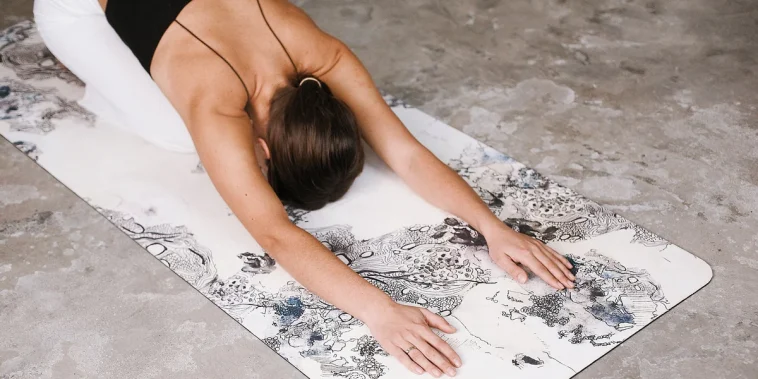
Balance and coordination shape how the body moves through space, both on the mat and in everyday life. Yoga brings these skills to the forefront by asking the body to stabilize while remaining relaxed and responsive. I notice that balance work quickly reveals habits, strengths, and areas that need patience. Over time, practicing balance-oriented poses builds trust in the body and sharpens awareness.
Coordination develops alongside balance as movements become smoother and more intentional. Yoga poses that challenge stability require different muscle groups to work together in harmony. This cooperation strengthens communication between the mind and body. Through consistent practice, balance and coordination evolve from conscious effort into natural ability.
The Role of Balance and Coordination in Yoga
Balance in yoga extends beyond standing on one foot. It involves distributing weight evenly, engaging stabilizing muscles, and maintaining focus. I experience balance as an ongoing adjustment rather than a fixed state. Each breath and subtle shift influences how steady a pose feels.
Coordination supports balance by organizing movement efficiently. Transitions between poses highlight how different parts of the body cooperate. When coordination improves, movements feel lighter and more controlled. Yoga creates an environment where balance and coordination grow together through mindful repetition.
Mountain Pose as the Foundation
Mountain Pose establishes the groundwork for balance and coordination. Standing tall with feet grounded, I pay attention to alignment from the soles of the feet to the crown of the head. This pose highlights posture and weight distribution. Small adjustments here influence stability in more complex poses.
Engaging the legs and core creates a sense of lift. The spine lengthens while the shoulders relax. Mountain Pose teaches stillness without rigidity. This awareness carries into all other standing and balance poses.
Tree Pose for Focus and Stability
Tree Pose introduces single-leg balance in an accessible way. Standing on one leg, I place the opposite foot on the calf or inner thigh. Hands rest at the chest or extend upward, encouraging focus. The pose demands steady attention and calm breathing.
Wobbling becomes part of the process. I treat these moments as feedback rather than failure. Over time, balance improves as muscles strengthen and focus sharpens. Tree Pose builds patience and confidence through consistent practice.
Chair Pose and Coordinated Strength
Chair Pose challenges balance through controlled effort. Bending the knees while lifting the chest requires coordination between legs, core, and spine. I keep weight grounded in the heels to maintain stability. The pose builds functional strength used in daily movements.
Arms can lift overhead or remain at the hips. Breath supports endurance as muscles work together. Chair Pose trains the body to stay steady during effort. This coordination translates into smoother transitions elsewhere in practice.
Warrior III for Integrated Balance
Warrior III combines balance, strength, and alignment in a single shape. Standing on one leg, I hinge forward while extending the opposite leg back. The torso and lifted leg form a long line of energy. This pose demands focus and control.
Maintaining level hips prevents strain and improves balance. Core engagement supports the spine and pelvis. I notice how even small distractions affect stability. Warrior III refines coordination by requiring the whole body to work as one unit.
Half Moon Pose for Dynamic Stability
Half Moon Pose introduces balance with an open, expansive shape. Standing on one leg, I lift the opposite leg and rotate the torso outward. One hand reaches toward the floor or a block while the other lifts upward. This pose challenges balance from multiple directions.
Coordination becomes essential as the body opens while staying grounded. Engaging the standing leg and core supports the lift. Breath helps maintain steadiness. Half Moon Pose enhances spatial awareness and controlled movement.
Eagle Pose for Concentration
Eagle Pose builds balance through compression and focus. Wrapping one leg around the other and crossing the arms creates a compact shape. I bend the standing leg slightly to stay grounded. The pose requires attention to alignment and breath.
Unwinding from Eagle Pose reveals improved circulation and clarity. I notice how coordination improves as the body learns the wrapping pattern. Eagle Pose strengthens stabilizing muscles while sharpening mental focus. It encourages calm within complexity.
Dancer Pose for Graceful Coordination
Dancer Pose blends balance with flexibility and lift. Standing on one leg, I reach back to hold the opposite foot while extending the free arm forward. The pose opens the chest while challenging stability. Balance shifts constantly as the body adjusts.
Maintaining a steady gaze helps anchor the pose. Core engagement supports the spine and pelvis. I find that Dancer Pose encourages graceful movement and awareness. It highlights the relationship between balance and coordinated extension.
Standing Figure Four for Hip Stability
Standing Figure Four focuses on balance while opening the hips. Crossing one ankle over the opposite thigh, I bend the standing leg slightly. This pose requires control and awareness to avoid tipping. It strengthens the hips and legs.
Arms can reach forward or stay at the chest for support. Breath remains steady to maintain balance. Standing Figure Four improves coordination by engaging multiple muscle groups. It prepares the body for seated and reclined hip openers.
Side Plank for Lateral Balance
Side Plank challenges balance through lateral strength. Supporting the body on one hand or forearm, I stack the feet or stagger them for stability. The pose activates the core and shoulders. Balance depends on precise alignment.
Keeping the hips lifted prevents sagging. Breath supports endurance and focus. Side Plank improves coordination between upper and lower body. It strengthens muscles that support balance in everyday movements.
Revolved Lunge for Controlled Rotation
Revolved Lunge combines balance with twisting motion. Stepping into a lunge, I rotate the torso toward the front leg. This pose requires coordination to maintain stability while rotating. Core engagement supports the twist.
Balance improves as the body learns to stabilize through rotation. I notice increased awareness in the legs and hips. Breath helps maintain control. Revolved Lunge enhances functional coordination and spinal mobility.
Standing Forward Fold Variations
Standing Forward Fold variations offer subtle balance challenges. Shifting weight evenly across both feet requires awareness. I focus on grounding through the legs while allowing the upper body to release. This balance supports relaxation and control.
Single-leg variations increase the challenge. Lifting one foot slightly engages stabilizing muscles. These poses improve proprioception and coordination. They encourage mindful movement even in gentle shapes.
Balance Through Transitional Movements
Transitions between poses reveal true coordination. Moving from standing to balancing shapes requires control and timing. I slow down during transitions to maintain stability. Each movement becomes an opportunity to refine balance.
Mindful transitions prevent abrupt shifts. Breath guides movement and supports steadiness. Over time, transitions feel smoother and more connected. Coordination develops through attention to these in-between moments.
The Role of Breath in Balance
Breath plays a central role in balance and coordination. Steady breathing calms the nervous system, supporting focus. I notice that holding the breath often disrupts balance. Returning to smooth breathing restores stability.
Inhalations create lift and space. Exhalations ground the body and release tension. Breath awareness improves endurance in balance poses. It becomes a reliable anchor during challenging moments.
Using Props to Build Confidence
Props support balance development by providing stability. Blocks placed under the hand in Half Moon reduce strain. Wall support offers reassurance in standing balance poses. These tools encourage exploration without fear of falling.
Using props allows focus on alignment rather than survival. I view them as stepping stones toward independence. Over time, reliance decreases as confidence grows. Props make balance work accessible and enjoyable.
Mental Focus and Balance Training
Balance poses sharpen mental focus as much as physical strength. Maintaining a steady gaze helps anchor attention. I notice how distractions affect stability. Returning focus improves balance immediately.
This training extends beyond yoga. Improved concentration supports daily tasks. Balance practice cultivates patience and presence. Mental clarity grows alongside physical coordination.
Common Challenges in Balance Poses
Tension often interferes with balance. Tight shoulders or jaw can disrupt stability. I scan the body for unnecessary tension and soften it. Relaxation supports steadiness.
Rushing into poses can also affect balance. Taking time to set up alignment improves success. Balance improves with mindful preparation. Awareness prevents frustration and strain.
Progressing Balance and Coordination Over Time
Progress in balance work appears gradually. Increased steadiness and confidence signal growth. I notice smoother transitions and fewer wobbles. These changes reflect improved coordination.
Patience remains essential. Forcing balance often leads to tension. Consistent practice yields lasting improvement. Balance evolves through steady effort and curiosity.
Integrating Balance Poses Into Practice
Balance poses fit naturally into yoga sequences. Placing them after warm-up prepares the body. Alternating sides maintains balance. Restorative poses offer recovery.
Short balance-focused segments enhance longer sessions. Consistency matters more than duration. Integration supports steady progress. Balance becomes a familiar aspect of practice.
Balance and Coordination Beyond the Mat
Improved balance supports daily movement and injury prevention. Simple tasks feel more controlled and confident. I notice better posture and coordination. These benefits extend into all activities.
Mental balance grows alongside physical stability. Calm focus supports decision-making and stress management. Yoga balance poses offer tools for resilience. Their impact reaches far beyond the mat.
Final Thoughts
Yoga poses that improve balance and coordination cultivate strength, focus, and awareness. Regular practice refines how the body moves and responds. Each pose offers insight into stability and control. With patience and consistency, balance and coordination become natural expressions of mindful movement.

GIPHY App Key not set. Please check settings