
 Dominic
Yoga feels most powerful to me not in the stillness of a single pose, but in the moments between shapes. Those transitions reveal how well the body listens, supports itself, and responds with control instead of momentum. Over time, I realized that smooth transitions create a sense of flow that transforms practice from a series of poses into a continuous experience. Control within transitions builds strength, awareness, and confidence in a way that holding poses alone never quite achieved for me.
Transitions are where balance is tested and breath becomes essential. Rushing through them often leads to sloppy movement, while moving slowly highlights areas that need more attention. By focusing on transitions, I noticed improvements not only in how my practice looked, but in how it felt. Flow became quieter, steadier, and far more intentional.
Why Transitions Matter as Much as Poses
Transitions connect poses into a meaningful sequence. Without care, they can feel like empty space between destinations rather than an active part of practice. Paying attention to these moments helped me recognize patterns in how I move, including habits that caused imbalance or unnecessary tension.
The body does not reset between poses, and transitions reveal how alignment carries forward. Strength, coordination, and breath must work together seamlessly. When transitions improve, the entire practice feels lighter and more controlled.
Mountain Pose to Forward Fold
Moving from Mountain Pose into Forward Fold appears simple, yet it demands awareness. Shifting weight evenly through the feet and hinging from the hips prevents strain in the lower back. I found that slowing this transition down transformed it into a grounding movement rather than a collapse forward.
Breathing steadily during the descent helped maintain length in the spine. This transition encouraged better posture awareness and smoother movement patterns. Over time, it set the tone for mindful flow early in practice.
Forward Fold to Half Lift
The transition from Forward Fold to Half Lift develops spinal awareness and control. Lengthening the spine while lifting halfway requires engagement through the core and back body. Rushing this movement often leads to rounded shoulders or compressed necks.
Pausing briefly in Half Lift refined my sense of alignment. Each repetition reinforced how to create space without tension. This transition became a checkpoint for posture and breath before moving deeper into sequences.
Half Lift to Plank
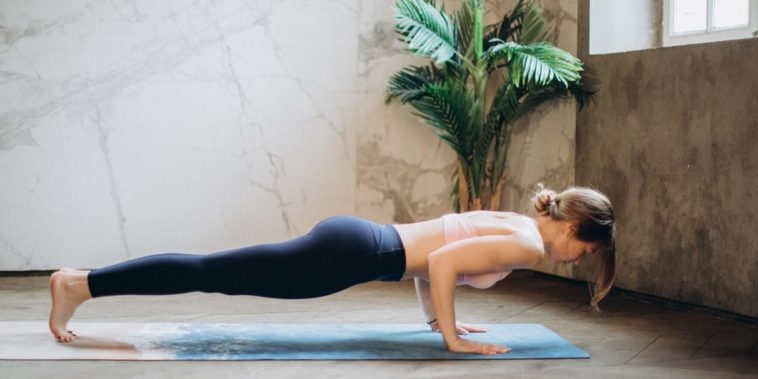
Stepping or floating back from Half Lift into Plank builds coordination and strength. This transition demands control through the shoulders, core, and legs. Moving deliberately helped me avoid dropping into the joints.
Maintaining a steady breath during this shift created stability. The transition became an active pose in itself rather than a quick step back. Over time, Plank felt more integrated into flow instead of a sudden demand.
Plank to Chaturanga
Plank to Chaturanga is one of the most revealing transitions in yoga. It highlights shoulder stability, core strength, and alignment. Lowering with control required me to check ego and focus on precision.
Moving slowly through this transition reduced strain on my shoulders. Keeping elbows close and body aligned made the movement sustainable. This attention improved not only strength but also confidence in upper body control.
Chaturanga to Upward-Facing Dog
Transitioning from Chaturanga into Upward-Facing Dog invites the spine into extension. Pressing through the hands and rolling over the toes requires coordination and awareness. Rushing this movement often caused compression in my lower back.
By engaging the legs and lifting the chest gradually, the transition felt expansive rather than abrupt. Breath guided the opening of the front body. This smooth shift added grace and ease to vinyasa sequences.
Upward-Facing Dog to Downward-Facing Dog
The transition from Upward-Facing Dog to Downward-Facing Dog connects backbending to lengthening. Lifting the hips and moving through Plank briefly engages multiple muscle groups. I noticed that slow transitions reduced shoulder strain significantly.
Exhaling fully during the shift helped release tension. Each repetition refined coordination between arms, spine, and hips. This transition became a defining moment for maintaining flow without rushing.
Downward-Facing Dog to Low Lunge
Stepping forward from Downward-Facing Dog into Low Lunge tests balance and control. Lifting the leg and placing the foot between the hands requires hip mobility and awareness. Moving slowly improved accuracy and reduced frustration.
Using breath to guide the step forward made the transition smoother. Each attempt built patience and precision. Over time, balance improved and the movement felt more fluid.
Low Lunge to Warrior II
Transitioning from Low Lunge into Warrior II develops strength and spatial awareness. Rotating the back foot and opening the hips requires coordination. Rushing often caused loss of balance or misalignment.
Taking time to adjust the stance made the pose feel grounded. This transition taught me how alignment builds from the feet upward. Flow improved when stability was prioritized.
Warrior II to Extended Side Angle
The shift from Warrior II into Extended Side Angle emphasizes control through lateral movement. Lowering the torso while maintaining leg strength challenged my coordination. Moving deliberately preserved alignment and breath.
Each repetition improved strength through the legs and side body. The transition felt smoother once I stopped rushing. This control enhanced the feeling of continuity in standing sequences.
Extended Side Angle to Reverse Warrior
Transitioning into Reverse Warrior requires fluid spinal movement. Lifting the torso and reaching back while maintaining leg stability tested balance. Breath played a central role in keeping this movement smooth.
Inhaling during the lift encouraged openness without strain. This transition added a sense of expansion to practice. Over time, it felt less effortful and more expressive.
Warrior to Half Moon
Moving from Warrior into Half Moon develops balance and focus. Shifting weight onto one leg while lifting the other requires strength and awareness. Slowing down transformed this transition from shaky to steady.
Using the gaze and breath helped maintain control. Each repetition refined balance and confidence. This transition highlighted how patience improves stability.
Standing Split Transitions
Standing Split transitions emphasize hamstring flexibility and balance. Moving in and out of this shape slowly revealed areas of tightness. Rushing increased the risk of losing control.
Controlled transitions improved coordination between legs and core. Over time, balance became more reliable. These movements added lightness to standing sequences.
Seated Pose Transitions
Transitions between seated poses often appear passive but require awareness. Shifting from Staff Pose into Seated Forward Fold or twists demands spinal control. Moving slowly preserved alignment and comfort.
These transitions highlighted how posture influences ease. Breath guided movement smoothly. Over time, seated sequences felt more integrated and intentional.
Supine Pose Transitions
Transitions on the back offer a chance to practice control without gravity challenges. Moving from Bridge Pose into Supine Twist required awareness of spinal movement. Slow transitions prevented strain.
These moments became opportunities to refine breath coordination. Control improved without pressure. Supine transitions added a calming rhythm to practice.
The Role of Core Engagement
Core engagement supports nearly every transition. Without it, movements rely on momentum. Strengthening the core improved stability and control throughout practice.
Awareness of the core created smoother transitions. Each movement felt connected rather than fragmented. This support reduced fatigue and increased confidence.
Breath as a Guide for Flow
Breath determines the pace and quality of transitions. Inhaling during lifts and exhaling during lowering created rhythm. This coordination improved flow and reduced tension.
Listening to breath prevented rushing. Transitions felt purposeful rather than hurried. Over time, breath-led movement became second nature.
Slowing Down to Improve Control
Speed often disguises imbalance. Slowing transitions exposed areas needing attention. This awareness allowed for gradual improvement.
Control increased as patience grew. Movements felt stronger and more precise. Flow became a result of intention rather than speed.
Consistency and Progress
Transitions improve through regular practice. Repetition builds familiarity and confidence. Small refinements accumulated over time.
Consistency made transitions smoother and less demanding. Control improved without force. Progress felt sustainable and rewarding.
Bringing Transition Awareness Off the Mat
Mindful transitions influenced daily movement. Standing up, sitting down, and walking felt more controlled. Awareness carried beyond practice.
This integration reduced tension and improved balance. Yoga became a way of moving, not just posing. Transitions shaped how I navigated everyday life.
Final Thoughts
Yoga Pose Transitions That Improve Flow and Control highlight the spaces where practice truly comes alive. These moments connect strength, breath, and awareness into a seamless experience. By focusing on transitions, flow becomes steady and intentional rather than rushed.
Over time, attention to transitions transformed how yoga feels in my body. Control replaced momentum, and movement felt supported from start to finish. This focus continues to deepen my practice, reminding me that flow is built one mindful transition at a time.



GIPHY App Key not set. Please check settings