

 Dominic
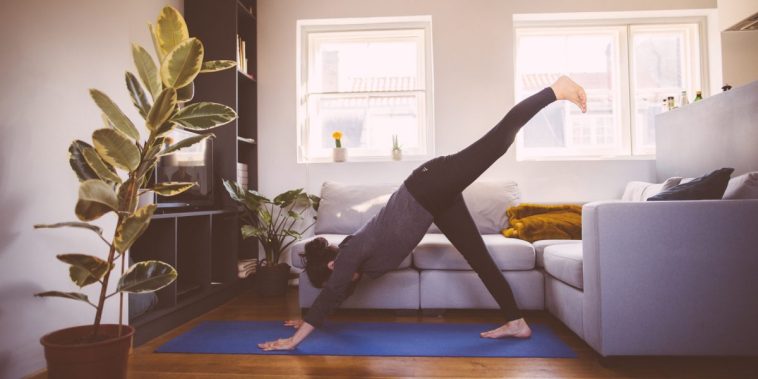
Recovery and mobility have become central themes in my yoga practice. They influence how my body feels not just during a session, but in the hours and days that follow. As practice deepened, I realized that progress depended less on pushing harder and more on supporting the body intelligently. The right yoga gear has played a quiet but powerful role in that shift.
Recovery-focused gear does not replace mindful movement or rest, but it complements both. These tools help the body unwind, rehydrate connective tissue, and regain range of motion without strain. Mobility improves when the body feels safe enough to release tension. Over time, supportive gear has helped me move more freely and practice more consistently.
Why Recovery and Mobility Matter in Yoga
Recovery allows the body to absorb the benefits of practice. Without adequate recovery, stiffness and fatigue begin to overshadow progress. I noticed that when recovery was ignored, even gentle sessions felt heavy. Mobility suffered because tightness limited natural movement patterns.
Mobility is not about extreme flexibility. It is about moving joints through healthy ranges with control and ease. Recovery supports mobility by allowing tissues to reset and rehydrate. Together, they create a foundation for sustainable practice and everyday comfort.
Yoga Mats Designed for Joint Comfort
The yoga mat is often viewed as a basic necessity, but its role in recovery is often overlooked. A mat with adequate cushioning supports joints during slower, floor-based work. I noticed a significant difference when practicing restorative poses on a mat that reduced pressure on knees, hips, and spine. Comfort encourages longer holds and deeper relaxation.
Grip also plays a role in recovery sessions. A stable surface allows the body to release without subtle guarding. Mats designed with dense cushioning and reliable traction support both stillness and gentle movement. This balance helps maintain alignment while promoting ease.
Bolsters for Deep Rest and Release
Bolsters have become one of my most valued recovery tools. They support the body fully in restorative poses, reducing muscular effort to almost nothing. When the body feels held, the nervous system settles more quickly. This allows deeper breathing and genuine rest.
Bolsters also help maintain healthy spinal curves. Supporting the chest, hips, or legs encourages passive opening without strain. Over time, this kind of support has improved my mobility by allowing tissues to release gradually. Rest becomes productive rather than passive.
Blankets as Versatile Recovery Tools
Blankets offer flexibility that few props can match. Folding or rolling them creates customized support for joints and limbs. I use blankets under knees, ankles, or the head to reduce pressure. These small adjustments make longer recovery sessions comfortable.
Blankets also help regulate body temperature during rest. Warmth encourages muscle relaxation and joint ease. Using blankets strategically has helped me stay present rather than distracted by discomfort. Their simplicity makes them indispensable.
Yoga Blocks for Controlled Mobility Work
Yoga blocks are often associated with alignment, but they also support mobility. Blocks help bridge gaps during gentle stretching, preventing overreaching. I use blocks to support hands, hips, or the spine in slow mobility sequences. This keeps movements controlled and safe.
Blocks also encourage awareness of range of motion. They provide reference points that help avoid collapsing or forcing depth. Over time, this has improved joint confidence and control. Mobility feels intentional rather than accidental.
Straps for Safe Range of Motion
Yoga straps play a crucial role in improving mobility without strain. They allow limbs to extend while maintaining joint integrity. I rely on straps during hamstring and shoulder work to control depth. This prevents aggressive pulling that can lead to discomfort.
Straps encourage patience. Instead of forcing flexibility, they support gradual progression. This approach has reduced soreness and improved long-term mobility. Safety and progress coexist when movement is supported.
Foam Rollers and Myofascial Tools
Foam rollers have become a regular part of my recovery routine. They help release tension in muscles and fascia after practice. Rolling slowly encourages circulation and awareness. I notice improved mobility when tight areas are addressed gently.
Different roller densities offer different experiences. Softer rollers support relaxation, while firmer ones provide deeper release. Using them mindfully prevents overstimulation. Recovery feels balanced rather than aggressive.
Massage Balls for Targeted Release
Massage balls allow precise work in areas that larger tools cannot reach. I use them for feet, hips, and upper back tension. Targeted release improves joint movement by reducing localized tightness. This specificity supports overall mobility.
Using massage balls requires patience and breath awareness. Small movements create noticeable changes. Over time, this practice has improved how freely joints move. Precision complements broader recovery tools.
Restorative Chairs and Wall Support
Chairs and walls offer stability during recovery-focused sessions. Chair-supported poses reduce weight-bearing and joint strain. I use chairs to support gentle backbends and seated stretches. This support allows relaxation without collapse.
Walls provide feedback and support for slow mobility work. They help maintain alignment while reducing effort. Using external support builds confidence in movement. Recovery becomes accessible and controlled.
Eye Pillows and Sensory Relaxation
Sensory relaxation supports recovery by calming the nervous system. Eye pillows block light and add gentle weight. I find that they help the body settle more deeply into rest. Mental quiet supports physical release.
Reducing sensory input allows attention to shift inward. This supports parasympathetic activation, which aids recovery. Small tools like eye pillows enhance the effectiveness of restorative practice. Relaxation becomes intentional rather than incidental.
Mobility Sliders and Gentle Movement
Mobility sliders introduce controlled movement with minimal impact. They allow joints to move through ranges smoothly. I use sliders during slow strength and mobility work. This builds control without strain.
Sliding movements encourage coordination and awareness. They support joint health by promoting fluid motion. Used carefully, sliders add variety to recovery sessions. Mobility becomes dynamic yet gentle.
Supportive Clothing for Recovery Sessions
Clothing influences comfort during recovery-focused practice. Tight or restrictive clothing can limit circulation and relaxation. I prefer soft, breathable fabrics that allow unrestricted movement. Comfort supports longer recovery sessions.
Warm layers help maintain muscle relaxation. Temperature regulation plays a role in joint ease. Clothing that supports rest enhances the effectiveness of recovery gear. Comfort allows focus to remain inward.
Props That Encourage Longer Holds
Recovery often requires time rather than effort. Props that support longer holds make this possible. Bolsters, blankets, and blocks work together to reduce muscular engagement. I can stay in poses longer without discomfort.
Longer holds allow tissues to adapt gradually. This supports mobility gains without strain. Props remove the urge to rush. Recovery becomes a process rather than a pause.
Reducing Compensation Patterns
Recovery gear helps reveal compensation patterns. Supporting one area allows attention to shift elsewhere. I noticed reduced gripping and guarding when using props. This awareness improves movement quality.
By reducing compensation, mobility becomes more balanced. Joints move more freely when surrounding muscles relax. Gear acts as a teacher rather than a crutch. Insight grows alongside physical ease.
Integrating Breath With Recovery Tools
Breath amplifies the benefits of recovery gear. Supported poses encourage slower, deeper breathing. I find that breath awareness increases when the body feels safe. This connection supports nervous system regulation.
Breath and movement work together to restore mobility. Tools create space for breath to move freely. This synergy enhances recovery beyond physical structures. The experience becomes holistic.
Supporting Recovery After Intense Practice
After stronger sessions, recovery gear becomes essential. Foam rollers, bolsters, and blankets help the body transition out of effort. I use them to reduce stiffness and promote circulation. This shortens recovery time between sessions.
Supporting recovery prevents accumulation of fatigue. Regular use of gear maintains mobility despite intensity. Balance between effort and rest sustains long-term practice. Recovery becomes proactive rather than reactive.
Adapting Gear to Individual Needs
Recovery needs vary from day to day. Some days require deep rest, others gentle movement. I adapt gear use based on how the body feels. Flexibility in approach prevents rigidity.
Listening to the body guides tool selection. Gear should respond to current needs rather than routine. This adaptability supports consistency and trust. Recovery remains personalized and effective.
Creating a Recovery-Focused Practice Space
A dedicated space enhances the effectiveness of recovery gear. I keep props within reach to encourage regular use. Soft lighting and minimal noise support relaxation. Environment influences recovery as much as tools.
Consistency in setup reduces resistance. When gear is accessible, recovery becomes habitual. The space signals rest and care. This reinforces sustainable practice habits.
Long-Term Benefits of Recovery Gear
Over time, recovery-focused gear has improved how my body moves off the mat. Daily activities feel smoother and less strained. Mobility gains translate into better posture and ease. Recovery supports overall quality of life.
Consistent use reduces injury risk. Supporting joints and tissues prevents overload. Long-term benefits justify investment in quality gear. Recovery becomes an integral part of practice.
Balancing Simplicity and Support
It is easy to accumulate tools without intention. I focus on gear that serves multiple purposes. Simplicity keeps recovery practice approachable. Too many tools can overwhelm.
Choosing versatile items maximizes value. Each piece should earn its place. Balance between simplicity and support maintains clarity. Recovery remains accessible and consistent.
Final Thoughts
Yoga gear that supports recovery and mobility plays a vital role in sustainable practice. These tools encourage rest, awareness, and controlled movement. They help the body release tension and regain natural range of motion. Recovery becomes an active process rather than an afterthought.
Investing in supportive gear is an investment in longevity. Thoughtful use enhances both practice and daily life. Mobility improves when recovery is prioritized. With the right tools and intention, the body moves with greater ease and confidence.


GIPHY App Key not set. Please check settings