

 Dominic
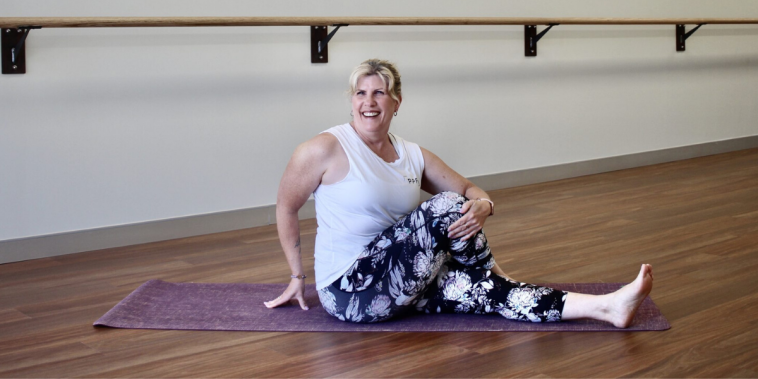
Yoga clothing plays a bigger role in my practice than I once expected. The way fabric stretches, breathes, and stays in place directly affects how freely I can move and how present I feel on the mat. Clothing that works with the body instead of against it removes distractions and allows attention to stay on breath, alignment, and sensation. Over time, I have learned that supportive yoga clothing is not about trends or labels, but about how it performs during real movement.
I have practiced in a wide range of environments, from quiet home sessions to warm studios and outdoor classes. Each setting has taught me something about comfort, durability, and flexibility in what I wear. Yoga clothing becomes an extension of the practice itself, shaping how safe, confident, and focused I feel. Paying attention to these details has helped me refine my choices and simplify what I reach for before stepping onto the mat.
Why Yoga Clothing Matters More Than It Seems
Movement in yoga is fluid, multi-directional, and often held for longer periods than in other forms of exercise. Clothing that restricts motion or shifts constantly can interrupt that flow. I notice this most during transitions, where tight seams or slipping waistbands pull me out of the moment. Supportive clothing allows me to move through poses without second-guessing how I look or feel.
Comfort also plays a role in how long I can stay focused. Scratchy fabrics, trapped heat, or constant adjustments add unnecessary mental noise. When clothing feels soft, stable, and breathable, my attention stays on my breath and body. That sense of ease supports both physical safety and mental clarity.
Fabric Choices That Support Natural Movement
Fabric is the foundation of effective yoga clothing. Materials that stretch in multiple directions allow the body to move without resistance. I look for fabrics that return to their original shape after stretching, since sagging or bunching can become distracting over time. This balance between flexibility and structure makes a noticeable difference during longer practices.
Breathability is just as important as stretch. Fabrics that wick moisture help regulate temperature and prevent discomfort during more active sequences. Natural fibers blended with performance materials often provide a good mix of softness and durability. Over time, I have learned to avoid fabrics that feel heavy or stiff, as they tend to limit movement and trap heat.
Fit and Freedom of Motion
Fit is not about tightness or looseness alone, but about how clothing responds to movement. Well-fitted yoga clothing stays in place without squeezing or pinching. I pay attention to waistbands, straps, and seams, since these areas can either support or restrict motion. A secure fit allows me to move confidently through inversions, twists, and balances.
Freedom of motion also depends on thoughtful design. Gussets, flat seams, and strategic paneling reduce friction and pressure points. Clothing that accommodates the body’s natural range of motion helps prevent strain and distraction. When fit and design work together, movement feels effortless rather than controlled.
Breathability and Temperature Regulation
Temperature shifts are common during yoga practice. A class may begin slowly and build into more heat, or alternate between active flows and stillness. Clothing that adapts to these changes keeps the body comfortable throughout. Breathable fabrics allow heat to escape without leaving me feeling exposed during quieter moments.
Layering can also support temperature regulation. Lightweight tops or wraps provide warmth at the beginning or end of practice without restricting movement. I find that breathable layers are especially useful during restorative sessions or meditation. Managing temperature effectively supports focus and relaxation.
Waistbands, Seams, and Small Details
Small design details often make the biggest difference. Waistbands that dig in or roll down can become a constant distraction. I prefer waistbands that sit securely without compressing the abdomen, especially during forward folds and twists. A smooth, supportive waistband allows breath to move freely.
Seams also deserve attention. Flat or bonded seams reduce irritation and pressure, particularly in poses where the body presses into the mat. Poorly placed seams can rub or restrict movement over time. Thoughtful construction supports both comfort and longevity in yoga clothing.
Support Where It Is Needed
Supportive elements in yoga clothing help maintain comfort and confidence during practice. Built-in bras or supportive linings can reduce the need for additional layers. The right level of support allows movement without excessive compression. I look for balance rather than maximum hold.
Support also extends to coverage. Clothing that stays opaque and secure during deep stretches prevents unnecessary self-consciousness. Feeling supported in this way allows me to focus inward rather than worrying about adjustments. That sense of security supports both physical and mental ease.
Flexibility Without Losing Structure
Stretch alone is not enough if clothing loses its shape over time. I value materials that stretch with the body and then recover fully. This resilience ensures consistent support throughout practice and over repeated use. Clothing that maintains its structure feels reliable session after session.
Structure also contributes to alignment awareness. When clothing moves predictably with the body, I can sense posture and engagement more clearly. This subtle feedback supports mindful movement. Flexibility paired with structure creates a stable foundation for practice.
Comfort During Stillness and Movement
Yoga is not only about motion, but also about stillness. Clothing that feels comfortable during active flows should also support longer holds and seated postures. Softness against the skin becomes more noticeable during moments of rest. I pay attention to how fabrics feel when I am still.
Comfort during stillness supports relaxation and breath awareness. Clothing that presses, rubs, or traps heat can interrupt these quieter moments. The best yoga clothing feels almost unnoticeable whether I am moving or resting. This consistency supports a balanced practice.
Durability and Long-Term Use
Durability matters more than I once realized. Yoga clothing is washed frequently and exposed to stretching, sweat, and friction. Fabrics that hold up over time maintain their fit and comfort longer. Investing in durable pieces reduces the need for constant replacement.
Construction quality also affects longevity. Reinforced seams and high-quality stitching withstand repeated use. Clothing that ages well becomes a trusted part of practice. Durability supports both sustainability and consistency.
Personal Style and Confidence on the Mat
Style may seem secondary, but it influences how I feel stepping onto the mat. Clothing that reflects personal taste supports confidence and self-expression. Feeling comfortable in what I wear encourages a more open and relaxed practice. Style and function can coexist without compromise.
Confidence on the mat supports deeper engagement. When clothing feels aligned with personal preferences, it becomes easier to focus inward. This sense of ease supports presence and authenticity. Yoga clothing that balances style and function enhances the overall experience.
Adapting Clothing to Different Yoga Styles
Different styles of yoga place different demands on clothing. A slow, meditative practice may prioritize softness and warmth. More dynamic styles require greater breathability and secure fit. I adapt my clothing choices based on the type of practice I plan to do.
This flexibility allows me to stay comfortable and supported regardless of intensity. Clothing that adapts to various styles reduces the need for excessive options. Over time, I have built a small rotation that meets most needs. Adaptability supports simplicity and consistency.
Sustainability and Conscious Choices
Sustainability has become an important factor in my clothing decisions. Materials sourced responsibly and produced ethically align with the values yoga encourages. Durable clothing that lasts longer also reduces waste. These considerations add meaning to what I wear.
Conscious choices extend to caring for clothing properly. Gentle washing and mindful storage preserve fabric quality. Treating yoga clothing with care reflects respect for both the practice and the environment. Sustainability supports a more mindful relationship with material possessions.
Building a Reliable Yoga Wardrobe
A reliable yoga wardrobe does not need to be extensive. A few well-chosen pieces that support movement and comfort go a long way. I focus on versatility and quality rather than quantity. This approach simplifies preparation and reduces decision fatigue.
Consistency in clothing supports consistency in practice. Knowing that what I wear will support me allows me to focus on showing up. A reliable wardrobe becomes part of a steady routine. This simplicity supports long-term commitment to yoga.
Final Thoughts
Yoga clothing that supports movement and comfort shapes the quality of practice in subtle but meaningful ways. Fabric, fit, breathability, and thoughtful design all contribute to how freely the body can move and how present the mind can stay. Through experience, I have learned that supportive clothing removes distractions and builds confidence on the mat.
Focusing on comfort and function rather than trends has helped me create a more grounded practice. Clothing that works with the body encourages ease, safety, and awareness. By paying attention to these details, yoga becomes less about external adjustments and more about internal connection.


GIPHY App Key not set. Please check settings