
 Dominic
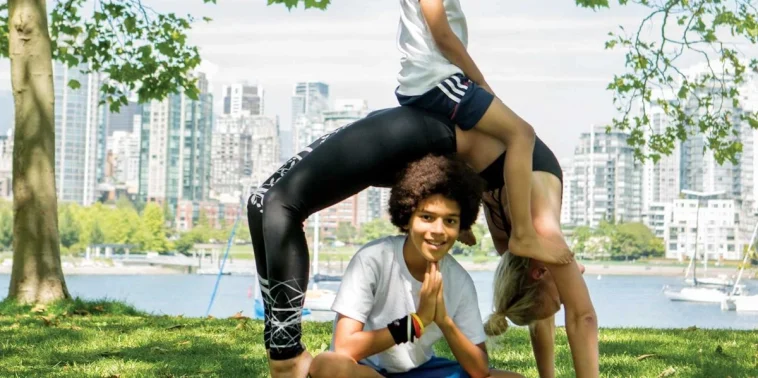
Fast-paced yoga classes often get the spotlight. They look impressive, feel athletic, and leave the body drenched in sweat. Slow yoga, by contrast, can seem understated, even deceptively simple. Yet over time, my own practice has shown me that slowing down does not mean doing less. It means feeling more, noticing more, and often gaining results that fast flows alone never gave me.
Slow yoga works beneath the surface. It influences how the nervous system responds to stress, how joints absorb load, and how muscles learn to support movement rather than rush through it. Instead of chasing intensity, it builds resilience. This approach has changed how I think about strength, flexibility, and long-term health on and off the mat.
Redefining Power in a Yoga Practice
Power in yoga is often associated with speed, sweat, and complexity. Arm balances, quick transitions, and long vinyasa sequences can look and feel powerful. Over time, though, I realized that this definition was incomplete. True power in yoga is the ability to stay present in sensation, breathe through discomfort, and move with control rather than momentum.
Slow yoga challenges the body in subtler ways. Holding poses for longer periods demands muscular engagement that cannot hide behind speed. Each small adjustment becomes noticeable, and weaknesses surface quickly. This kind of power is quieter, but it is also more honest and more sustainable.
The Nervous System Responds to Pace
One of the biggest differences between slow yoga and fast flows lies in how the nervous system reacts. Fast-paced movement often stimulates the sympathetic nervous system, the part responsible for alertness and action. This can feel energizing and motivating, especially during busy or sluggish days.
Slow yoga, on the other hand, encourages the parasympathetic response. Longer holds, steady breathing, and deliberate transitions send signals of safety to the brain. Over time, this helps regulate stress levels and improves the body’s ability to recover. I noticed that after slower practices, my sleep improved and my reactions to daily stress softened in ways that fast classes rarely produced.
Strength Built Without Momentum
In fast flows, momentum can sometimes do the work. Moving quickly between poses allows gravity and speed to assist transitions. While this has its place, it can mask imbalances or allow certain muscles to dominate while others stay underused.
Slow yoga removes that safety net. Every lift, shift, and hold requires intentional engagement. Muscles learn to fire in coordination, especially the smaller stabilizers around joints. This kind of strength feels different. It is steadier, more reliable, and shows up in everyday movements like standing, walking, and lifting.
Joint Health and Longevity
Joints benefit from controlled movement and time under gentle load. Slow yoga offers both. Longer holds allow connective tissues to adapt gradually, rather than being pulled quickly to end ranges. This reduces strain and supports joint integrity over time.
I have found that practicing slowly has made my joints feel more spacious and stable. Instead of chasing flexibility, I learned to balance range of motion with strength. This approach has helped me avoid the aches and minor injuries that once appeared when my practice focused too heavily on speed and repetition.
Breath as the Anchor
Breath often gets lost in fast-paced classes. Even with reminders, it can become shallow or reactive when movements accelerate. Slow yoga brings breath back to the center of the practice. Each inhale and exhale has time to fully expand and release.
This steady breathing does more than calm the mind. It supports posture, improves oxygen delivery, and creates rhythm within each pose. I noticed that when breath leads movement instead of chasing it, the body feels more integrated and less strained.
Mental Focus and Awareness
Slowing down exposes habits that fast movement can hide. Patterns like gripping the jaw, collapsing the lower back, or rushing through discomfort become obvious when there is nowhere to rush to. This level of awareness can feel uncomfortable at first, but it is also deeply informative.
Slow yoga cultivates focus by asking for attention over time. Staying present in a pose for multiple breaths requires patience and curiosity. This mental training carries into daily life, making it easier to pause, observe, and respond rather than react automatically.
Flexibility That Lasts
Flexibility gained through force or speed often fades quickly. Muscles may lengthen temporarily, but without nervous system cooperation, that range of motion does not stick. Slow yoga addresses this by giving the body time to relax into stretches.
Longer holds combined with calm breathing encourage the nervous system to allow movement rather than resist it. I found that flexibility developed this way feels more usable and stable. It shows up during other activities without feeling fragile or forced.
Emotional Processing on the Mat
Moving slowly can bring unexpected emotions to the surface. Without constant motion as a distraction, sensations and feelings have space to arise. This is not always comfortable, but it is often healing.
Slow yoga creates an environment where emotional tension stored in the body can release gradually. Over time, I noticed shifts not just in how my body felt, but in how I related to stress, frustration, and fatigue. The practice became less about performance and more about listening.
Recovery and Restoration
Fast flows can be invigorating, but they also place demands on muscles and energy reserves. Slow yoga supports recovery by improving circulation without adding stress. Gentle movement helps flush out tension while preserving energy.
On days when my body feels tired or overworked, slow yoga provides movement without depletion. Instead of pushing through fatigue, it offers a way to restore balance. This has helped me maintain consistency in my practice without burning out.
Building Trust With the Body
Rushing through movement can override subtle signals of discomfort or imbalance. Slow yoga encourages trust by asking the body what it needs in each moment. Adjustments happen organically rather than being forced to keep up with a pace.
This trust extends beyond the mat. Over time, I became more attuned to signs of overexertion and stress in daily life. Slow yoga taught me that progress does not always come from doing more, but from doing what is appropriate.
Accessibility for All Levels
Slow yoga is often more accessible than fast flows, especially for beginners or those recovering from injury. The reduced pace allows time to explore alignment and modify poses as needed. This creates a sense of inclusion rather than competition.
Even for experienced practitioners, slow yoga offers depth. Advanced poses become laboratories for exploration rather than goals to achieve. This mindset shift keeps the practice engaging and meaningful over the long term.
Balancing Fast and Slow Practices
Fast flows and slow yoga are not opposing forces. They complement each other. Fast classes can build cardiovascular endurance and coordination, while slow practices cultivate stability and awareness.
In my own routine, combining both has created balance. Fast flows feel more controlled after periods of slow practice, and slow yoga feels richer after experiencing dynamic movement. Each informs the other, creating a more complete approach to yoga.
Breaking the Myth of Constant Intensity
Modern fitness culture often promotes the idea that harder is always better. Slow yoga challenges this belief by demonstrating that intensity can exist without speed. Holding a simple pose with full attention can be more demanding than rushing through complex sequences.
This realization changed how I measure success in practice. Instead of counting calories burned or poses completed, I began noticing how I felt afterward. Calm, steady, and grounded became signs of a powerful session.
Long-Term Consistency and Sustainability
Practices built solely on intensity can be difficult to sustain. Injuries, fatigue, and mental burnout often follow. Slow yoga supports longevity by respecting the body’s need for variation and rest.
Consistency matters more than intensity over time. Slow yoga makes it easier to show up regularly, even on low-energy days. This steady commitment has produced deeper changes than sporadic bursts of hard training ever did.
Final Thoughts
Slow yoga may not always look dramatic, but its effects run deep. By prioritizing awareness, breath, and control, it builds strength and resilience that support the body for years rather than moments. Fast flows have their place, but they are only part of the picture.
Choosing to slow down revealed a different kind of power in my practice. It showed me that progress does not always shout. Sometimes it whispers, settles in quietly, and changes everything from the inside out.

GIPHY App Key not set. Please check settings