


 Dominic
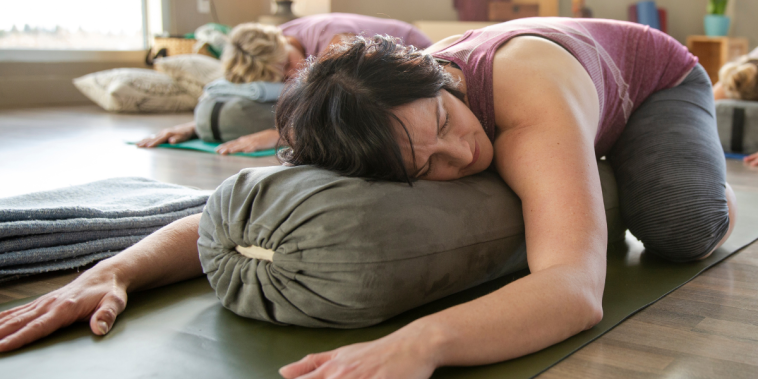
Advanced yoga poses often catch the eye first. They look impressive, feel aspirational, and can make practice seem like a clear ladder where progress means moving toward more complex shapes. Over time, I noticed that chasing advanced poses did very little to improve how my body actually felt. Real change came from returning to foundational movements and refining them with patience, awareness, and consistency.
The basics create the structure that everything else rests on. Without that structure, advanced poses can become shallow expressions rather than meaningful practices. Strength, mobility, balance, and breath control all develop most effectively through simple poses practiced well. Mastering the basics shifted my focus from performance to presence, and that shift changed my relationship with yoga entirely.
Basics Build Sustainable Strength
Foundational poses develop strength in a balanced way. They engage large muscle groups while also training smaller stabilizing muscles that protect joints. Poses like Mountain, Plank, and Warrior variations may look simple, but they demand full-body engagement when practiced with intention.
Through consistent attention to these poses, my body became stronger without feeling strained. Instead of isolated effort, strength spread evenly through my legs, core, and upper body. This type of strength made movement feel supported rather than forced.
Alignment Starts With Simple Shapes
Alignment is easier to refine in basic poses because the shapes are less complex. Standing poses, seated poses, and gentle backbends provide clear feedback about how the body stacks and balances. Small adjustments in these poses can create significant changes in comfort and stability.
Spending time refining alignment helped me notice habits I carried into every pose. Collapsed arches, locked knees, and lifted shoulders showed up repeatedly. Addressing them in basic poses improved alignment across my entire practice.
Breath Awareness Develops Early
Breath control often disappears when poses become overly demanding. In advanced shapes, it is easy to hold the breath or rush through discomfort. Basic poses allow space to focus on breathing steadily and fully.
By staying with simple movements, I learned how breath supports posture and balance. Slow, intentional breathing improved endurance and reduced unnecessary tension. That awareness carried into more challenging poses later on.
Basics Reveal Hidden Weaknesses
Advanced poses can mask weaknesses by relying on flexibility or momentum. Basic poses expose where strength or mobility is lacking. Holding a steady Chair Pose or a well-aligned Plank quickly highlights areas that need attention.
Facing those weaknesses felt humbling but necessary. Rather than avoiding discomfort, I learned to work with it patiently. That honesty made progress more meaningful and lasting.
Consistency Thrives With Simplicity
Simple poses encourage consistent practice. They are accessible on low-energy days and adaptable to different environments. This accessibility made it easier to show up regularly rather than waiting for perfect conditions.
Short daily sessions focused on basics proved more effective than occasional intense practices. Over time, the body responded to repetition and familiarity. Consistency created change without burnout.
Injury Prevention Begins With Foundations
Many yoga-related injuries stem from poor alignment or lack of strength. Foundational poses teach safe movement patterns that protect joints and connective tissue. They build awareness around limits and encourage respect for the body.
By prioritizing basics, I noticed fewer aches and strains. My joints felt supported rather than stressed. This foundation allowed me to explore new poses safely when the time felt right.
Balance Improves Through Repetition
Balance is not only about standing on one leg. It involves coordination between muscles, breath, and focus. Basic balance poses provide the repetition needed to refine these skills.
Practicing Tree Pose and similar shapes regularly improved stability without frustration. Small adjustments became intuitive over time. That steadiness translated into both advanced poses and daily movement.
Flexibility Develops Gradually
Flexibility gained through basics tends to be more stable. Gentle, repeated stretches allow tissues to adapt without shock. This approach reduces the risk of overstretching or strain.
Working patiently in foundational poses improved range of motion without forcing depth. Flexibility felt supported by strength rather than disconnected from it. That balance made movement feel safer and more controlled.
Basics Strengthen the Mind
Mental focus grows through simple, repetitive actions. Holding a basic pose while observing breath and sensation trains attention. This mental discipline carries into all areas of practice.
I noticed increased patience and reduced restlessness through this approach. Instead of rushing toward complexity, I became comfortable staying present. That mindset reshaped how I experienced both yoga and daily challenges.
Advanced Poses Depend on Fundamentals
Every advanced pose is built from basic actions. Arm balances rely on Plank strength, inversions depend on alignment, and deep backbends require core stability. Without solid fundamentals, advanced poses remain unstable.
Revisiting basics clarified why certain advanced poses felt inaccessible. Once foundational strength and awareness improved, those poses became more approachable. Progress followed naturally rather than through force.
Ego Softens Through Foundational Practice
Advanced poses can feed comparison and self-judgment. Basics remove much of that external pressure. The focus shifts inward toward sensation, breath, and alignment.
Letting go of performance allowed practice to feel more honest. Improvement became about internal change rather than visible achievement. This shift made yoga feel supportive instead of competitive.
Basics Adapt to All Stages of Practice
Foundational poses evolve alongside the practitioner. What feels simple at first can deepen over time through refined awareness. The same pose continues to teach new lessons years into practice.
Returning to basics never felt repetitive once I recognized this depth. Each session revealed subtle differences in balance, strength, or breath. That adaptability kept practice engaging and relevant.
Daily Life Benefits From Simple Movements
Basic poses mirror everyday actions like standing, sitting, and reaching. Improving these movements enhances posture and reduces strain outside the studio. Advanced poses rarely translate as directly.
As basics improved, daily movement felt easier and more efficient. Less effort was needed to maintain comfort and balance. Yoga began influencing life beyond the mat in practical ways.
Patience Grows Through Foundational Work
Progress in basic poses often appears slow, which encourages patience. This patience becomes a valuable skill in both practice and life. Learning to stay present without immediate results reshaped my expectations.
Over time, subtle improvements accumulated. Strength, flexibility, and awareness developed quietly. This steady progress felt more rewarding than quick gains followed by setbacks.
Basics Encourage Longevity in Practice
A sustainable yoga practice prioritizes long-term health over short-term achievement. Foundational poses support this longevity by reducing strain and encouraging mindful movement. They adapt to changing energy levels and life stages.
Focusing on basics made practice feel supportive rather than demanding. Yoga became something I could return to consistently without fear of injury or burnout. That sustainability mattered more than mastering complex poses.
Teaching and Learning Begin With Foundations
Whether practicing alone or with others, basics provide a shared language. Clear foundations make it easier to follow guidance and make adjustments. This clarity enhances communication and learning.
Revisiting fundamentals improved my ability to listen to cues and apply them effectively. That skill translated into deeper engagement with practice. Foundations created a stronger connection between instruction and experience.
Final Thoughts
Why Mastering Basics Matters More Than Advanced Poses becomes clear through consistent, mindful practice. Foundations shape strength, alignment, breath, and awareness in ways that advanced poses alone cannot provide. They support safe progress, reduce injury risk, and encourage a deeper connection to movement.
Returning to basics transformed how yoga feels in my body and mind. Practice became less about achieving shapes and more about cultivating balance and presence. Over time, that focus created strength and freedom that no single advanced pose could offer.



GIPHY App Key not set. Please check settings