


 Dominic
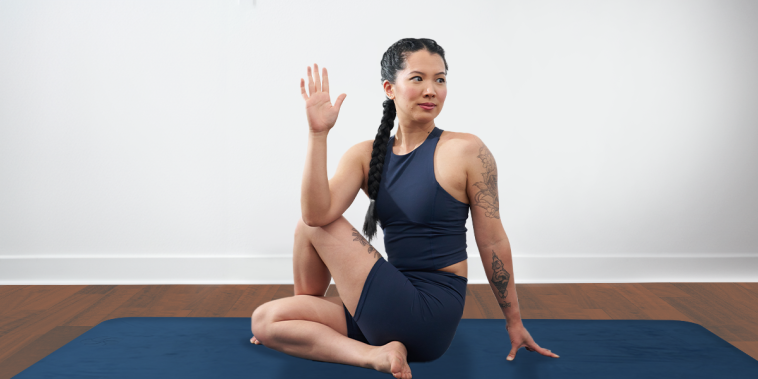
Yoga often gets reduced to images of deep bends and impressive shapes, yet the real transformation happens through regular practice. Consistency shapes how yoga feels in the body, how it settles in the mind, and how it carries into daily life. I have seen far greater change from showing up repeatedly than from chasing deeper stretches. A steady practice builds awareness, strength, and ease in ways flexibility alone never could.
The Common Misconception About Flexibility
Flexibility tends to dominate conversations about yoga, especially for beginners. Many people assume progress depends on how far they can stretch or how quickly they can reach certain poses. I noticed early on that this focus often led to frustration rather than growth. Stretching without consistency creates temporary sensations rather than lasting change.
Flexibility also varies naturally from person to person. Body structure, lifestyle, and history all play a role. Measuring success by flexibility alone overlooks the broader purpose of yoga. A practice rooted in consistency respects individual differences and supports sustainable development.
Consistency Builds a Relationship With the Body
Showing up regularly creates familiarity with physical sensations. I began to recognize subtle cues that signaled fatigue, readiness, or tension. This awareness only developed through repeated practice over time. Sporadic sessions never provided the same insight.
Consistency also improves communication between mind and body. Movements feel more coordinated and intentional with regular practice. This connection reduces the risk of strain and encourages safer exploration. Over time, the body responds with resilience rather than resistance.
Strength Develops Through Regular Practice
Strength often gets overshadowed by flexibility in yoga discussions. Consistent practice builds functional strength that supports joints and posture. I noticed that holding poses became steadier as my practice stabilized. This strength made movements feel lighter and more controlled.
Strength supports flexibility rather than competing with it. Muscles that are engaged and supported allow safer stretching. Regular practice balances effort and ease. This balance creates a more stable foundation for long-term progress.
The Nervous System Thrives on Routine
The nervous system responds well to predictable patterns. Practicing yoga consistently helps regulate stress and promote calm. I found that regular sessions reduced anxiety more effectively than occasional intense practices. The body learns to settle more quickly with repetition.
Consistency trains the nervous system to associate movement and breath with safety. This response deepens relaxation and focus. Over time, this sense of ease extends beyond the mat. Daily life begins to feel more manageable and grounded.
Flexibility Without Consistency Is Temporary
Stretching occasionally can feel satisfying in the moment. Those gains often fade quickly without reinforcement. I experienced this cycle repeatedly before committing to consistency. Flexibility improved briefly, then disappeared just as fast.
Consistent practice maintains mobility by gently reinforcing range of motion. The body adapts gradually rather than abruptly. This steady approach prevents setbacks and supports lasting change. Flexibility becomes a byproduct rather than the sole objective.
Consistency Supports Mental Discipline
Regular practice builds mental discipline through routine rather than force. Showing up even on low-energy days strengthens commitment. I learned that discipline grows quietly through repetition. Motivation fluctuates, but consistency remains reliable.
This discipline transfers into other areas of life. Decision-making feels clearer and habits feel easier to maintain. Yoga becomes a training ground for patience and persistence. These qualities matter far beyond flexibility.
Progress Feels Different With Regular Practice
Progress in yoga is often subtle and cumulative. Consistency reveals changes that flexibility alone cannot measure. I noticed improvements in balance, breathing, and emotional stability before dramatic physical changes appeared. These shifts signaled deeper progress.
Regular practice also reframes expectations. Instead of chasing outcomes, attention moves toward experience. This mindset reduces comparison and self-judgment. Progress becomes personal rather than performative.
Injury Prevention Through Consistency
Inconsistent practice increases the risk of injury. Jumping into deep stretches without preparation strains muscles and joints. I learned that consistent warm-up and gradual progression protect the body. The tissues adapt safely over time.
Consistency also improves proprioception, or body awareness. This awareness helps recognize limits before pain arises. Regular practice teaches respect for those limits. Injury prevention becomes an integral part of the routine.
Consistency Encourages Patience
Yoga teaches patience through steady repetition. Results unfold gradually rather than immediately. I found that patience developed naturally when expectations softened. Consistency allowed progress to emerge without force.
Patience supports emotional well-being. Frustration decreases as trust in the process grows. The practice feels supportive rather than demanding. This shift deepens enjoyment and commitment.
Flexibility Can Distract From Awareness
Focusing too heavily on flexibility can pull attention outward. Pushing for deeper poses sometimes disconnects from breath and sensation. I noticed that awareness suffered when flexibility became the goal. Consistency brought attention back inward.
Regular practice emphasizes presence rather than performance. Movements feel guided by breath and sensation. Awareness deepens through repetition. This presence defines the heart of yoga.
Consistency Shapes Habit Formation
Habits form through repetition, not intensity. Consistent yoga sessions create a rhythm that becomes part of daily life. I noticed that practice felt incomplete when I skipped it. This sense of continuity reinforced commitment.
Habit formation reduces decision fatigue. The question of whether to practice disappears. Yoga becomes a natural part of the day. This ease supports longevity in practice.
Emotional Benefits Grow With Regularity
Emotional stability improves through consistent yoga practice. Regular movement and breath create a sense of grounding. I experienced fewer emotional swings as my practice stabilized. The mat became a space for processing rather than escape.
Consistency also builds emotional resilience. Stressful moments feel easier to navigate. Yoga supports emotional balance through steady engagement. Flexibility alone cannot offer this depth of support.
Consistency Adapts to Life Changes
Life circumstances shift constantly. A consistent yoga practice adapts more easily than one based on sporadic intensity. I adjusted session length and focus without losing the habit itself. This adaptability kept practice alive through change.
Consistency does not require rigidity. It allows for variation within a stable framework. This flexibility of approach supports long-term sustainability. Practice evolves alongside life rather than competing with it.
Flexibility Improves Naturally Over Time
Flexibility improves gradually through consistent movement and mindful stretching. I noticed deeper range of motion after months of steady practice rather than weeks of pushing. The body opened when it felt safe and supported. This natural progression felt more sustainable.
Consistency respects the body’s timeline. Progress unfolds without strain. Flexibility becomes a quiet companion to regular practice. The focus remains on well-being rather than achievement.
The Role of Breath in Consistent Practice
Breath anchors consistent practice and reinforces awareness. Regular attention to breathing patterns supports calm and focus. I found that breath awareness improved with repetition. This improvement enhanced every aspect of practice.
Breath also regulates effort. Consistency teaches when to soften and when to engage. This balance supports both strength and flexibility. Breath becomes a guide rather than an afterthought.
Consistency Builds Confidence
Confidence grows through familiarity and experience. Regular practice removes uncertainty and builds trust in the body. I felt more comfortable exploring poses after establishing consistency. This confidence replaced hesitation.
Confidence also reduces fear of failure. Each session feels like a continuation rather than a test. This mindset encourages exploration without pressure. Practice becomes inviting rather than intimidating.
Redefining Success in Yoga
Success in yoga shifts with consistent practice. Instead of measuring success by flexibility, it becomes about presence and commitment. I learned to value showing up over achieving shapes. This redefinition brought relief and satisfaction.
Consistency reframes goals toward well-being. The practice supports health rather than comparison. Success feels internal rather than external. This shift sustains motivation over time.
Final Thoughts
Consistency matters more than flexibility in yoga because it shapes every meaningful benefit the practice offers. I found that regular engagement builds strength, awareness, and resilience that flexibility alone cannot provide. Flexibility improves naturally when consistency is in place, but consistency offers far more than physical change. A steady practice creates a foundation for growth that supports both body and mind over the long term.



GIPHY App Key not set. Please check settings