

 Dominic
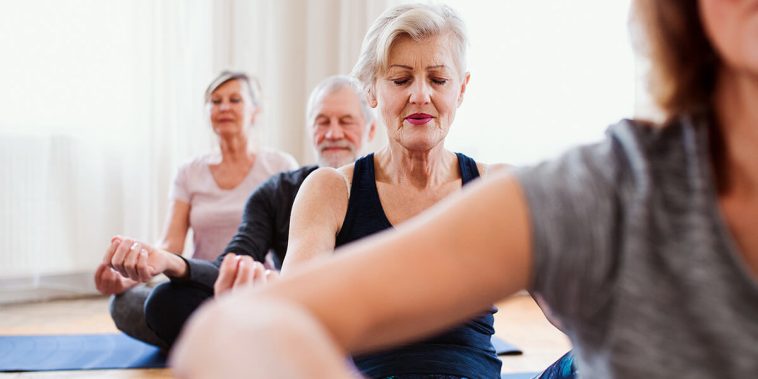
Breath sits at the center of yoga whether it is acknowledged or not. Before a pose takes shape or a sequence begins, the breath is already responding to posture, mood, and attention. I have found that whenever my practice feels scattered or tense, the root of the issue almost always lives in the breath. Bringing awareness back to it changes the entire direction of the practice.
Yoga often appears physical from the outside, yet its deeper effects come from subtle internal regulation. Breath control links the body and mind in a way movement alone never could. Through steady breathing, sensations become clearer and reactions soften. Over time, breath stops being something that happens in the background and becomes the structure holding everything together.
Breath as the Bridge Between Body and Mind
The body and mind constantly influence each other, and breath is the most direct pathway between them. Thoughts can speed it up, while calm breathing can slow thoughts down. This two-way relationship explains why breath control holds such importance in yoga. It allows conscious access to systems that usually run automatically.
I notice that during stressful moments, the breath reacts before my thoughts catch up. Tight inhales or rushed exhales appear without effort. By working with the breath, I can intervene early and shift the internal state. That ability turns breath into a bridge rather than a byproduct.
Movement Without Breath Lacks Stability
Physical postures can be performed without attention to breathing, but something essential is missing when that happens. Movement becomes mechanical instead of embodied. The body may still look aligned, yet internally it feels disconnected. Breath provides the rhythm that makes movement coherent.
I have experienced poses that felt unstable despite strong muscles and good form. The moment I brought breath back into focus, stability returned. Each inhale and exhale offered timing and support. Breath turns isolated movements into a continuous flow.
Breath Control Regulates the Nervous System
The nervous system responds quickly to breathing patterns. Slow, steady breaths encourage relaxation, while rapid breathing increases alertness. Yoga uses this relationship intentionally to guide internal states. Breath control allows regulation rather than reaction.
I rely on this relationship during both active and quiet practices. Energizing sequences feel more sustainable when breathing stays smooth. Restorative poses feel deeper when the exhale lengthens naturally. Breath becomes the dial that adjusts intensity from within.
Posture Improves When Breath Leads
Postural alignment depends on internal support as much as muscular strength. Breath creates subtle lift and space inside the body. Without it, posture often collapses or stiffens. Breathing well supports natural alignment without force.
I feel this most clearly in seated poses. When breath expands evenly through the torso, the spine organizes itself. Shoulders soften and the neck lengthens without effort. Breath provides structure that muscles alone cannot maintain.
Focus Grows From Steady Breathing
Mental focus often drifts when breathing becomes irregular. Distraction shows up as shallow breaths or inconsistent rhythm. Breath control anchors attention and reduces mental noise. This makes sustained focus possible without strain.
I use the breath as a reference point whenever my mind wanders. Returning to its rhythm brings attention back into the present moment. Over time, focus feels less forced and more natural. Breath becomes a steady companion rather than a task.
Emotional Regulation Through Breath
Emotions influence breathing patterns instantly. Anxiety shortens the breath, while calm allows it to deepen. Breath control offers a way to work with emotions without suppressing them. It provides space to respond rather than react.
I notice emotional shifts first in my breathing before labeling them mentally. Tightness or irregular rhythm signals something beneath the surface. Softening the breath creates room for emotions to pass without overwhelming the system. This process builds emotional resilience through awareness rather than avoidance.
Breath Creates Continuity in Practice
A yoga practice feels cohesive when breath guides transitions. Without that guidance, poses feel separate and disjointed. Breath stitches movements together into a continuous experience. This continuity supports both safety and fluidity.
I experience this most clearly during flowing sequences. When breath leads, transitions feel inevitable rather than rushed. The body moves with purpose instead of effort. Breath turns a series of poses into a unified practice.
Strength Depends on Breath Control
Strength in yoga is not only about muscle engagement. Breath control supports sustained effort without unnecessary tension. Holding or forcing the breath reduces endurance and increases strain. Efficient breathing allows strength to emerge with less resistance.
I have felt poses become accessible simply by adjusting my breath. Smooth inhales support expansion, while controlled exhales support engagement. Strength feels steadier and more reliable when breath remains calm. This balance reduces fatigue and improves control.
Flexibility Responds to Breath Awareness
Flexibility improves when muscles feel safe to release. Breath communicates safety more effectively than force. Slow, even breathing encourages tissues to soften gradually. This approach reduces resistance and risk of injury.
I notice that forcing a stretch rarely leads to lasting change. Allowing breath to guide depth creates a different result. The body responds with patience rather than defense. Flexibility becomes a byproduct of awareness instead of effort.
Balance Relies on Internal Rhythm
Balance depends on subtle coordination between muscles, nerves, and attention. Breath provides a steady internal rhythm that supports this coordination. Irregular breathing disrupts balance even in familiar poses. Controlled breathing stabilizes the entire system.
I feel more grounded in balancing poses when breath remains even. Each inhale and exhale acts like a stabilizing anchor. The mind stays present instead of anticipating loss of balance. Breath turns balance into a dynamic conversation rather than a rigid test.
Breath Deepens Sensory Awareness
Sensory awareness increases when breathing slows and smooths out. The body becomes more sensitive to internal cues. This heightened awareness improves responsiveness and precision. Breath creates the conditions for listening rather than pushing.
I experience sensations more clearly when breath remains steady. Subtle shifts in weight or alignment become noticeable. This awareness allows adjustments before discomfort arises. Breath enhances intelligence within the body.
Discipline Without Breath Feels Rigid
Discipline in yoga often gets associated with strictness or control. Without breath awareness, discipline can turn rigid. Breath control adds softness and adaptability to structure. It keeps discipline supportive rather than restrictive.
I have learned that breath creates freedom within structure. Following a sequence feels less demanding when breath remains fluid. Discipline becomes sustainable rather than draining. Breath allows effort to coexist with ease.
Breath Builds Internal Heat Safely
Heat in yoga supports circulation and mobility. Breath plays a central role in generating this heat safely. Without it, the body may overexert or strain. Controlled breathing distributes warmth evenly.
I notice warmth building gradually when breath remains consistent. The body feels prepared rather than rushed. This internal heat supports deeper movement without forcing. Breath ensures that intensity grows responsibly.
Recovery Depends on Breath Quality
Recovery is just as important as effort. Breath quality determines how quickly the body returns to balance. Shallow breathing prolongs tension, while full breathing supports recovery. Yoga integrates both through conscious breath control.
I focus on breath during rest as much as during movement. Slow exhales signal the body to release effort. Recovery feels intentional rather than passive. Breath completes the cycle of action and rest.
Breath Encourages Patience
Patience develops naturally when attention stays with breathing. Rushing becomes harder when each breath is acknowledged. Breath control slows perception of time without stopping progress. This shift changes the tone of practice.
I notice impatience dissolve when I stay with the rhythm of breath. Poses feel complete without needing to push further. Patience grows from presence rather than restraint. Breath teaches this lesson repeatedly.
Breath Connects Individual Practice to Tradition
Yoga has long recognized breath as central to transformation. Modern practice sometimes emphasizes shape over sensation. Breath control reconnects practice to its deeper roots. It honors the subtle aspects that make yoga distinct.
I feel a sense of continuity when breath becomes the focus. The practice feels less like exercise and more like inquiry. Breath links physical movement to inner awareness. This connection gives yoga its lasting depth.
Breath Creates Self-Trust
Trust builds when the body responds predictably to breath awareness. Over time, this reliability fosters confidence. Breath becomes a dependable guide during both ease and challenge. Self-trust grows through repeated experience.
I rely on breath when uncertainty arises in practice. Returning to it offers clarity without instruction. Trust replaces doubt as familiarity increases. Breath becomes a steady reference point.
Breath Control Extends Beyond the Mat
The effects of breath control do not end when practice ends. Daily life reflects breathing habits shaped on the mat. Calm responses become more accessible during stress. Breath awareness integrates yoga into ordinary moments.
I notice changes in how I handle pressure outside of practice. Breathing remains steadier during conversations and transitions. This continuity makes yoga feel practical rather than separate. Breath carries the practice forward.
Final Thoughts
Breath control forms the foundation of yoga because it shapes every layer of experience from movement to emotion. Through conscious breathing, practice becomes more integrated, stable, and responsive. Poses gain meaning beyond their physical form. Returning to the breath again and again reveals yoga as a lived experience rather than a collection of shapes.

GIPHY App Key not set. Please check settings