


 Dominic
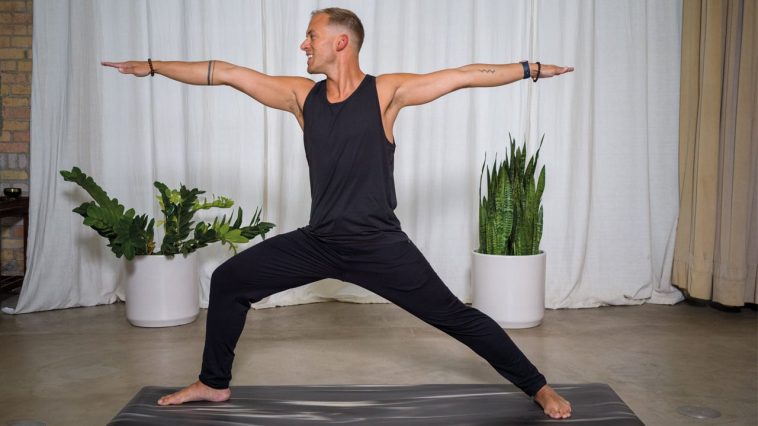
Warrior poses hold a powerful place in yoga practice because they combine physical effort with a sense of grounded confidence. I feel this family of poses working the moment I step into them, from the steady press of my feet into the mat to the lift through my chest and arms. They demand attention, asking the body to stay strong while the mind remains focused. Over time, Warrior poses have shown me how strength and softness can exist at the same time.
These poses are often taught early in yoga classes, yet they continue to challenge practitioners at every level. Each variation highlights different aspects of balance, alignment, and endurance. Rather than rushing through them as familiar shapes, I have learned to slow down and notice the details. That attention transforms Warrior poses from simple lunges into tools for building resilience and awareness.
The Role of Warrior Poses in Yoga Practice
Warrior poses serve as anchors within many yoga sequences. They create structure in a flow, giving the body a chance to build heat and strength. I experience them as moments where effort becomes intentional rather than rushed. Holding these poses encourages staying present even when muscles begin to work harder.
Beyond physical conditioning, Warrior poses cultivate mental steadiness. Standing strong while maintaining smooth breathing mirrors challenges faced off the mat. Each time I hold a Warrior pose, I practice staying calm within effort. That lesson carries into daily life, reinforcing patience and focus during demanding situations.
Grounding Through the Feet
The foundation of every Warrior pose begins with the feet. I pay close attention to how they connect with the mat, noticing weight distribution from heel to ball. A stable base creates confidence, allowing the rest of the body to align more naturally. Without this grounding, the pose can feel shaky or strained.
Pressing evenly through both feet activates the legs and supports the knees. I find that engaging the arches prevents collapsing inward, which protects the joints. This awareness of the feet often reveals subtle imbalances between sides of the body. Addressing them over time leads to better stability and comfort in standing poses.
Warrior I: Building Power and Lift
Warrior I emphasizes upward energy combined with strong lower body engagement. Stepping into the pose, I focus on bending the front knee while grounding the back foot firmly. The hips square forward as much as comfort allows, creating a stable base. This alignment encourages strength through the legs and pelvis.
The upper body plays an equally important role. Lifting the arms overhead while keeping the shoulders relaxed creates a sense of expansion. I notice how engaging the core supports the spine and prevents over-arching in the lower back. Warrior I becomes a pose of both power and controlled lift when these elements work together.
Common Alignment Challenges in Warrior I
Hip positioning often presents challenges in Warrior I. Tight hips can make squaring difficult, leading to strain in the lower back. I address this by shortening my stance slightly and focusing on balance rather than depth. Small adjustments make the pose feel more accessible and sustainable.
Another frequent issue involves the shoulders creeping upward toward the ears. Softening the neck while maintaining arm engagement helps prevent tension. Over time, awareness replaces force, allowing the pose to feel strong without unnecessary strain. These refinements improve both comfort and longevity in practice.
Warrior II: Strength With Openness
Warrior II introduces a different kind of strength, one rooted in lateral stability. The stance widens, and the hips open to the side while the arms extend outward. I feel this pose engaging the legs deeply while inviting awareness across the chest and shoulders. The gaze over the front hand encourages focus and determination.
Maintaining alignment in Warrior II requires attention to the front knee and back leg. The front knee tracks over the ankle without collapsing inward. The back leg remains active, providing support rather than simply resting. This balanced engagement creates a sense of steadiness that carries through the entire pose.
Upper Body Awareness in Warrior II
Arms in Warrior II appear simple, yet they demand subtle control. I extend them with intention, avoiding tension in the shoulders and neck. The chest stays lifted without flaring the ribs forward. This alignment supports healthy posture and efficient breathing.
The torso remains upright, resisting the urge to lean forward. I imagine stacking the shoulders over the hips, creating a vertical line of strength. This alignment allows energy to flow evenly throughout the body. Warrior II becomes both grounding and expansive when these details align.
Warrior III: Balance and Focus
Warrior III shifts the focus from grounded strength to balance and precision. Standing on one leg, I extend the opposite leg back while hinging forward at the hips. The pose demands concentration, as even small distractions can disrupt balance. This challenge sharpens both physical and mental awareness.
Maintaining alignment in Warrior III involves keeping the hips level and the spine long. I avoid letting the lifted hip open too much, which can strain the lower back. Engaging the standing leg and core creates stability. Over time, the pose feels less about struggle and more about controlled strength.
Stability Through the Core
Core engagement plays a crucial role across all Warrior poses. Drawing awareness to the center of the body supports balance and alignment. I find that gentle activation, rather than forceful tightening, provides the best results. This approach allows freedom of movement while maintaining stability.
In standing poses, the core connects the upper and lower body. Without this connection, movements feel disjointed. Warrior poses highlight how integrated strength supports graceful transitions. Developing this awareness enhances overall practice quality.
Breath as a Tool for Endurance
Breath transforms Warrior poses from static holds into dynamic experiences. I rely on steady breathing to manage intensity, especially during longer holds. Inhales create space and lift, while exhales ground the body and release tension. This rhythm keeps effort sustainable.
Holding the breath often signals unnecessary tension. When I notice this, returning focus to breathing softens the pose. Over time, this habit improves endurance and concentration. Breath awareness becomes an ally rather than an afterthought.
Mental Strength Developed Through Warrior Poses
Warrior poses cultivate resilience by asking the practitioner to remain present during effort. Discomfort may arise, but it becomes an opportunity to observe rather than react. I notice how this practice builds patience and confidence. Each hold reinforces the ability to stay steady under pressure.
This mental training extends beyond the mat. Situations that once felt overwhelming become more manageable. Warrior poses remind me that strength includes adaptability and calm. The lessons learned in these shapes resonate long after practice ends.
Common Mistake: Overstriding the Stance
Taking too long a stance can compromise alignment in Warrior poses. I have noticed that overstriding often leads to joint strain and loss of balance. Shortening the stance slightly improves control and comfort. Proper distance allows muscles to support the joints effectively.
Adjusting stance length makes the pose more sustainable. It encourages strength without forcing flexibility. Over time, the body naturally opens, allowing deeper expressions without strain. This mindful approach reduces the risk of injury.
Common Mistake: Collapsing the Front Knee
Allowing the front knee to collapse inward is a frequent issue, especially in Warrior II. This misalignment places stress on the knee joint. I counteract this by engaging the outer hip and thigh muscles. Awareness and strength work together to maintain proper tracking.
Correcting this habit improves stability and protects the joints. It also enhances the pose’s strength-building benefits. Consistent attention leads to healthier movement patterns both on and off the mat.
Common Mistake: Tension in the Upper Body
Excessive tension in the shoulders and neck can detract from Warrior poses. I often check in with these areas, consciously relaxing them while maintaining arm engagement. This balance prevents fatigue and discomfort. It also allows breath to flow more freely.
Softening unnecessary tension improves endurance. The pose feels more integrated and less forced. Over time, this awareness becomes second nature, enhancing overall practice quality.
Modifications for Different Needs
Warrior poses can be adapted to suit various bodies and abilities. I sometimes reduce depth in the front knee bend to ease strain. Using blocks under the hands in Warrior III provides additional support. These adjustments make the poses accessible without losing their essence.
Wall support offers another helpful option. Practicing with the back heel or torso against a wall builds confidence and alignment awareness. Modifications encourage consistency and safety. They ensure that strength develops gradually and sustainably.
Sequencing Warrior Poses
Integrating Warrior poses into sequences creates a balanced practice. I often link them together to build heat and focus. Moving from Warrior I to Warrior II highlights different aspects of strength and openness. Adding Warrior III challenges balance and control.
Thoughtful sequencing allows the body to warm up appropriately. It prevents strain by gradually increasing intensity. Warrior poses become stepping stones rather than isolated efforts. This approach supports a fluid and enjoyable practice.
Progress Over Time
Progress in Warrior poses reveals itself through subtle changes. Increased stability, smoother transitions, and improved breath control mark growth. I notice that poses once held with strain begin to feel more natural. Strength develops alongside confidence.
Patience remains essential throughout this process. Forcing depth or endurance often leads to setbacks. Consistent, mindful practice yields lasting improvements. Warrior poses teach that progress is built through steady effort rather than shortcuts.
Warrior Poses Beyond the Mat
The symbolism of Warrior poses extends into daily life. Standing strong while remaining open reflects how I aim to face challenges. The balance of effort and ease becomes a guiding principle. These poses remind me that true strength includes adaptability.
Applying this mindset off the mat enhances resilience. Physical practice reinforces mental habits that support well-being. Warrior poses serve as reminders of inner strength available at any moment. Their lessons continue long after practice ends.
Final Thoughts
Warrior poses offer a rich blend of strength, stability, and alignment that evolves with practice. Exploring their details has deepened my connection to both body and breath. Each variation presents unique challenges and rewards. Approached with awareness and patience, Warrior poses become powerful tools for growth in yoga and in life.



GIPHY App Key not set. Please check settings