
 Dominic
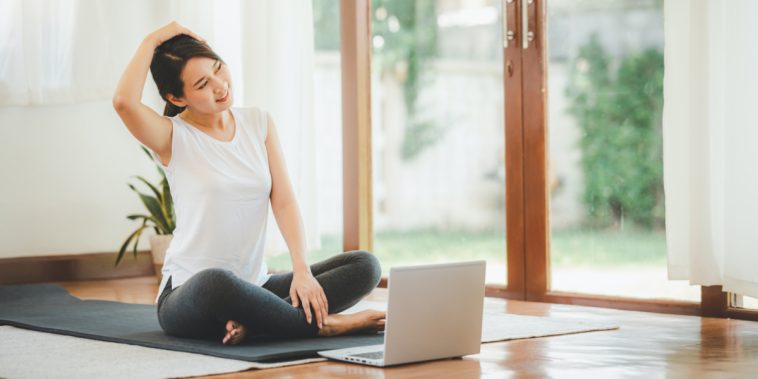
Starting a yoga routine at home can feel both exciting and slightly intimidating, especially if you are new to the practice and unsure where to begin. I remember wanting something simple, grounding, and realistic that fit into everyday life without needing fancy equipment or a studio membership. This routine grew out of that need for clarity and ease, offering a way to move the body, calm the mind, and build consistency from the comfort of home. Yoga does not need to be complicated to be effective, and that belief shapes everything you will read here.
This beginner-friendly routine is designed to meet you where you are, no matter your flexibility level or prior experience. I focus on movements that feel natural, supportive, and steady rather than rushed or extreme. Practicing at home allows space to listen to your body without comparison or pressure, which is especially helpful at the beginning. Over time, these small moments on the mat can become an anchor in your day.
Preparing Your Space and Mindset
A calm and functional space makes a noticeable difference when practicing yoga at home. I always clear enough room to stretch my arms and legs freely, even if the area is small. Natural light helps, but a soft lamp works just as well, as long as the space feels inviting rather than cluttered. The goal is not perfection but comfort and focus.
Equally important is the mindset you bring onto the mat. I remind myself that this time is not about performance or progress measured by flexibility. It is about showing up, breathing, and allowing the body to move honestly. Letting go of expectations creates room for growth without frustration.
Gentle Warm-Up to Wake the Body
I begin every session with a warm-up that gently signals the body to prepare for movement. Starting slowly reduces stiffness and helps prevent strain, especially for beginners. These initial movements also give me a chance to check in with how my body feels that day. Some days call for more softness, while others welcome a bit more energy.
Simple neck rolls, shoulder shrugs, and slow spinal movements are perfect for this phase. I move with the breath, inhaling to expand and exhaling to release tension. This rhythm sets the tone for the rest of the practice and helps the mind settle into the present moment. By the end of the warm-up, the body feels more open and receptive.
Foundational Standing Poses for Strength
Standing poses build strength and stability, which are essential for beginners. I like starting with Mountain Pose because it teaches awareness of posture and balance. Standing tall with feet grounded encourages a sense of confidence and alignment. From there, the practice naturally flows into more dynamic shapes.
Warrior poses are another key part of my routine because they strengthen the legs and improve focus. I take my time moving into each pose, making sure my breath stays steady. These poses may feel challenging at first, but they quickly build resilience. Over time, standing poses help create a strong foundation for the rest of the practice.
Gentle Sun Salutation Flow
A simple Sun Salutation ties movement and breath together in a smooth, accessible way. I keep the pace slow and intentional, especially for beginners. Each transition is an opportunity to move mindfully rather than rush through the sequence. This flow gently warms the entire body.
I modify movements as needed, such as lowering the knees during plank or skipping Chaturanga altogether. The goal is not to master the sequence but to experience the connection between breath and motion. Practicing this flow regularly improves coordination and builds confidence. It also adds a sense of rhythm to the routine.
Seated Poses for Flexibility and Ease
After standing movements, I transition to seated poses to stretch the hips and spine. These poses feel grounding and allow the heart rate to settle. Sitting on a folded blanket or cushion makes the practice more comfortable, especially for beginners. Comfort encourages relaxation rather than tension.
Poses like Seated Forward Fold and Gentle Twist help release tightness built up during the day. I focus on lengthening the spine before folding or twisting, which protects the back. Breathing deeply into these shapes enhances the stretch without forcing it. Over time, seated poses improve flexibility and body awareness.
Simple Balance Poses to Build Focus
Balance poses are often underestimated, but they play a huge role in developing concentration. I include poses like Tree Pose because they encourage steadiness and patience. Wobbling is completely normal, especially in the beginning. Each attempt strengthens both body and mind.
I fix my gaze on a single point to help maintain balance. Engaging the core and breathing evenly makes the pose feel more manageable. Balance poses teach resilience by reminding me to stay calm even when things feel unstable. That lesson carries well beyond the mat.
Gentle Backbends for Energy
Backbends add a sense of openness and energy to the routine. I approach them gently, focusing on creating space rather than depth. Poses like Cobra or Bridge are accessible and effective for beginners. They counteract the forward-bending posture many of us hold throughout the day.
I pay close attention to how my lower back feels during these poses. Engaging the core and pressing through the feet or hands provides support. Backbends often leave me feeling refreshed and more alert. They also encourage better posture over time.
Cooling Down with Supine Poses
As the practice winds down, I shift to poses done lying on the back. This transition signals the body to relax and release remaining tension. Supine poses feel nurturing and restorative, especially after active movement. They create space for reflection and calm.
Knees-to-chest and gentle spinal twists are favorites during this phase. I move slowly and breathe deeply, allowing gravity to do most of the work. These poses soothe the nervous system and prepare the body for rest. They also help prevent stiffness later in the day.
Breathing Practices for Relaxation
Breathwork is an essential part of my home yoga routine. I keep it simple by focusing on slow, steady breathing through the nose. Counting the length of each inhale and exhale helps maintain consistency. This practice naturally quiets the mind.
I often practice breathing while lying down or seated comfortably. Placing one hand on the belly helps me feel the breath more clearly. Over time, mindful breathing reduces stress and improves overall awareness. It is a powerful tool that requires no physical effort.
Short Meditation to Close the Practice
Ending the routine with a brief meditation helps integrate the benefits of the practice. I sit or lie comfortably and bring attention to the breath. Thoughts may come and go, and that is completely normal. The goal is gentle observation rather than control.
Even a few minutes of stillness can make a difference. I notice how my body feels compared to the beginning of the session. This pause creates a sense of closure and gratitude. It also reinforces the habit of slowing down.
Building Consistency at Home
Consistency matters more than duration when building a yoga habit. I remind myself that even ten minutes on the mat counts. Setting a regular time helps make the practice feel natural rather than forced. Over time, this routine becomes part of daily life.
Flexibility in scheduling also helps maintain consistency. Some days are more energetic, while others call for rest. Listening to the body prevents burnout and keeps the practice enjoyable. Yoga should feel supportive, not like another obligation.
Adapting the Routine as You Grow
As comfort and confidence increase, the routine naturally evolves. I add or adjust poses based on how my body responds. Progress does not always look dramatic, but small changes add up. Increased ease, strength, and calm are all signs of growth.
It is important to respect personal limits while remaining open to exploration. Modifications are always available, and rest is a valid choice. This routine serves as a foundation that can expand over time. Growth in yoga is deeply personal and unfolds at its own pace.
Final Thoughts
Practicing yoga at home as a beginner can be both empowering and deeply grounding. This routine offers a balanced approach that builds strength, flexibility, and awareness without overwhelming the body or mind. By showing up regularly and moving with intention, yoga becomes less about perfection and more about presence. Over time, these simple practices create a lasting connection between movement, breath, and everyday life.


GIPHY App Key not set. Please check settings