


 Dominic
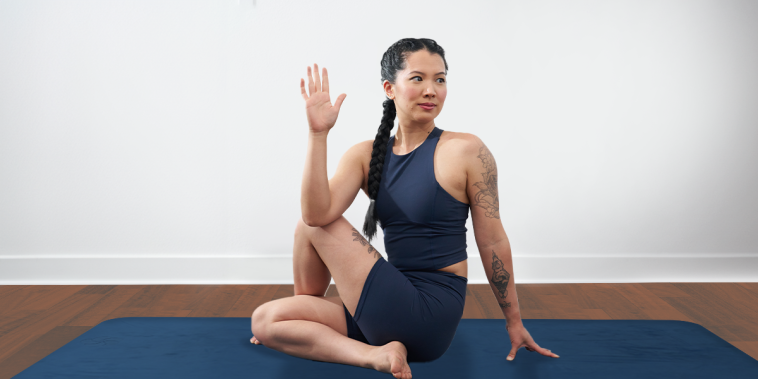
Yoga often looks calm and effortless from the outside, but the reality on the mat can feel very different. I have seen how easy it is to fall into habits that limit progress or create unnecessary strain, especially when trying to do things “right.” Most yoga mistakes are not about lack of effort but about misunderstanding how the body responds to movement and breath. Addressing these patterns gently can transform a practice from frustrating to supportive.
Mistakes in yoga are not failures, and they are not something to feel embarrassed about. They are part of the process of building awareness, patience, and respect for the body. Every practice offers feedback, even when something feels off. Recognizing common mistakes creates space for growth, safety, and deeper connection to the practice.
Treating Yoga Like a Workout Instead of a Practice
One of the most common mistakes is approaching yoga with a workout mindset. It is easy to push harder, chase intensity, and measure success by sweat or exhaustion. This mindset often leads to tension, rushed movements, and shallow breathing. Yoga begins to feel like a performance rather than a practice.
The fix starts with slowing down and redefining effort. Strength and flexibility still develop, but they grow best when paired with awareness. I focus on moving with breath rather than speed. Shifting attention inward changes the experience from forcing shapes to exploring them.
Holding the Breath Without Realizing It
Breath-holding happens more often than many people realize. During challenging poses, the body tends to tense, and the breath becomes shallow or pauses altogether. This creates unnecessary strain and interrupts the calming effects of yoga. Over time, this habit limits progress and increases fatigue.
Fixing this mistake begins with awareness rather than control. I notice when the breath feels restricted and soften the effort slightly. Even one full inhale and exhale can reset the nervous system. Breath should support movement, not struggle against it.
Forcing Flexibility Too Quickly
Flexibility develops slowly, yet many people push beyond comfortable limits in pursuit of deeper poses. This often shows up as pulling into stretches or ignoring discomfort. While flexibility may increase temporarily, the risk of strain or injury grows. The body responds better to patience than force.
The fix lies in respecting current limits. I focus on sensation rather than depth and allow flexibility to develop gradually. Using breath to soften muscles works better than pulling. Progress becomes more sustainable when the body feels safe.
Ignoring Proper Alignment
Alignment mistakes are common, especially when following visual cues without understanding individual anatomy. Copying shapes without considering joint positioning can lead to discomfort or imbalance. Misalignment often shows up in knees, shoulders, and lower back. Over time, this creates uneven strain.
Improving alignment starts with awareness rather than perfection. I adjust poses to fit my body instead of forcing symmetry. Small changes in foot placement or hand position make a big difference. Alignment supports longevity and comfort in practice.
Comparing Your Practice to Others
Comparison sneaks into yoga spaces easily, even in quiet rooms. Watching others move deeper or hold poses longer can create self-doubt. This mindset pulls attention away from personal experience and into judgment. Yoga loses its grounding quality when comparison takes over.
The fix involves returning attention inward. Each body carries different strengths, histories, and limitations. I remind myself that progress looks different for everyone. Letting go of comparison creates space for authentic growth.
Skipping Warm-Ups and Cool-Downs
Jumping straight into intense poses without warming up is a common mistake. Muscles and joints need gradual preparation, especially after long periods of stillness. Skipping this step increases the risk of strain. Similarly, ending practice abruptly can leave the body unsettled.
The solution is simple but often overlooked. I dedicate time to gentle movements at the beginning and calming poses at the end. Warm-ups prepare the body, while cool-downs help integrate the practice. This balance supports recovery and comfort.
Pushing Through Pain Instead of Discomfort
Yoga involves sensation, but pain is a clear signal to stop. Many people confuse discomfort with progress and push beyond safe limits. Pain often leads to compensation patterns that strain other areas. Over time, this undermines the benefits of practice.
Learning to distinguish between discomfort and pain is essential. I stay curious about sensations without ignoring warning signs. Backing off slightly often allows the body to relax and open naturally. Listening prevents injury and builds trust.
Overlooking the Role of Rest
Rest is often undervalued in yoga. Some people move continuously without pausing, fearing that rest means weakness. This constant motion prevents integration and awareness. The nervous system needs moments of stillness to reset.
Including rest improves both physical and mental results. I take breaks when needed and allow poses like Child’s Pose to support recovery. Rest does not interrupt practice; it completes it. Balance grows when effort and ease coexist.
Rushing Through Transitions
Transitions between poses matter just as much as the poses themselves. Rushing through them creates instability and breaks connection with breath. This habit often leads to sloppy alignment and reduced awareness. Yoga becomes mechanical rather than mindful.
The fix is slowing transitions down. I pay attention to how weight shifts and how the body moves between shapes. Smooth transitions improve balance and control. This attention enhances the overall flow of practice.
Neglecting Core Engagement
Core engagement supports stability and protects the spine, yet it is often overlooked. Without it, poses may feel heavier or unstable. This leads to strain in the lower back or shoulders. Core engagement does not mean tension but awareness.
I focus on gently drawing awareness to the center of the body. Subtle engagement creates support without rigidity. This adjustment improves posture and balance. Over time, poses feel more integrated and stable.
Locking Joints Instead of Supporting Them
Locking joints is a common habit, especially in standing poses. Hyperextending knees or elbows creates the illusion of stability but increases strain. Over time, this habit stresses joints and connective tissue. Yoga should support joint health, not compromise it.
The fix involves softening the joints slightly. I maintain micro-bends and active engagement around the joints. This creates strength and support rather than collapse. Awareness prevents long-term discomfort.
Ignoring Individual Body Differences
Every body is built differently, yet yoga cues are often general. Forcing the body into shapes that do not suit its structure leads to frustration and strain. Flexibility, bone structure, and proportions all influence how poses feel. Ignoring this reality creates unnecessary pressure.
The solution is personalization. I adapt poses using props or variations that feel supportive. Yoga works best when it fits the individual rather than forcing conformity. Respecting differences enhances confidence and comfort.
Relying Too Much on External Validation
Seeking approval from teachers, mirrors, or social media can distract from inner awareness. External validation shifts focus from sensation to appearance. Yoga becomes performative rather than experiential. This disconnect limits growth.
Turning attention inward restores balance. I focus on how poses feel rather than how they look. Internal cues provide more accurate feedback than external opinions. Yoga deepens when awareness becomes personal.
Skipping Breath Awareness Altogether
Some practices become purely physical, with breath fading into the background. Without breath awareness, yoga loses much of its calming and regulating effect. Movement becomes disconnected from intention. This often leads to fatigue rather than clarity.
Bringing breath back into focus changes everything. I coordinate movement with inhalations and exhalations. Breath guides pacing and effort. This connection supports both body and mind.
Practicing Too Infrequently or Too Often
Inconsistent practice makes it hard to see progress, while excessive practice leads to burnout. Both extremes create imbalance. Yoga thrives on rhythm and moderation. Frequency needs to support recovery as well as growth.
Finding balance requires listening and adjustment. I aim for consistency rather than extremes. Some weeks allow more practice, while others require rest. Sustainable rhythm supports long-term results.
Ignoring Mental and Emotional Signals
Yoga affects more than muscles and joints. Emotional responses sometimes surface during practice, yet they are often dismissed. Ignoring these signals limits the depth of the experience. Yoga offers a space for awareness beyond the physical.
Acknowledging emotions without judgment enhances practice. I notice thoughts and feelings as part of the process. This awareness builds resilience and self-understanding. Yoga becomes a holistic experience.
Practicing Without Clear Intention
Practicing without intention can feel aimless. Movement happens, but awareness lacks direction. This often leads to distraction or dissatisfaction. Intention gives practice purpose.
Setting a simple intention before starting helps focus energy. I choose themes like ease, strength, or presence. Intention does not limit practice; it guides it. This clarity enhances engagement.
Overlooking the Importance of Consistency
Infrequent practice makes it difficult to build awareness or comfort. Long gaps interrupt progress and familiarity. Yoga responds to repetition and patience. Consistency matters more than intensity.
I prioritize regular practice even if sessions are short. Familiarity builds confidence and understanding. Over time, consistency transforms effort into ease. Progress becomes natural.
Expecting Immediate Results
Yoga works gradually, yet impatience often creeps in. Expecting quick changes creates frustration. Subtle benefits may go unnoticed when attention stays on outcomes. Yoga rewards patience.
Shifting focus to the process reduces pressure. I notice small changes in breath, posture, and awareness. These signs indicate progress even before visible results appear. Trusting the timeline supports growth.
Fixing Mistakes Through Awareness and Kindness
Fixing yoga mistakes does not require harsh correction. Awareness and kindness create lasting change. I treat mistakes as information rather than failure. This mindset keeps practice supportive.
Gentle adjustments over time create meaningful improvement. Yoga evolves through curiosity rather than criticism. Kindness builds trust with the body. Progress follows naturally.
Final Thoughts
The most common yoga mistakes often come from good intentions rather than carelessness. Addressing them with patience and awareness transforms practice into something safer, deeper, and more rewarding. Yoga grows strongest when effort and ease work together. By noticing patterns and making thoughtful adjustments, the practice becomes a lifelong source of balance rather than a struggle.



GIPHY App Key not set. Please check settings