
 Dominic
Yoga becomes more sustainable and rewarding when the body feels supported rather than pushed. Over time, I have noticed that progress rarely comes from forcing deeper shapes or longer holds. It comes from small adjustments that allow the body to work with less resistance and more awareness. Simple yoga tools often provide those adjustments, quietly improving both comfort and confidence.
These tools do not complicate practice or take away from its simplicity. Instead, they remove unnecessary struggle and replace it with steadiness. When the body feels safe and supported, the mind settles more easily. That shift changes the entire experience of practice, even when the tools themselves are basic.
The Yoga Mat as a Reliable Base
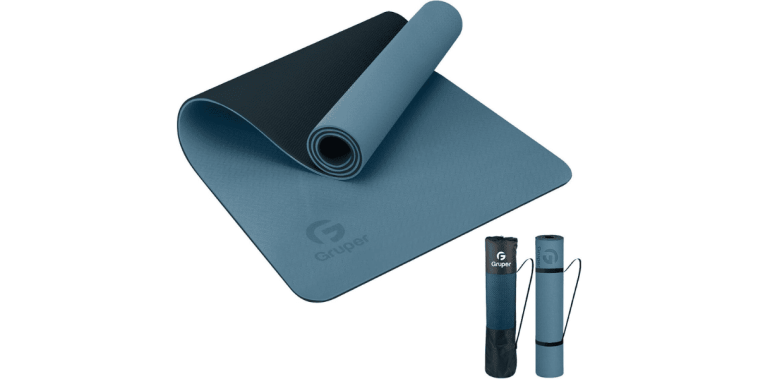
A yoga mat may seem obvious, yet its impact reaches far beyond basic comfort. The texture, thickness, and grip of a mat influence balance, transitions, and joint protection. When my hands and feet feel secure, I move with more confidence and less hesitation. That security allows breath to stay calm even in demanding sequences.
A dependable mat also protects consistency. Practicing regularly becomes easier when joints feel supported and slipping is not a concern. Over time, the mat becomes familiar, almost like an extension of the body. This familiarity builds trust and reduces mental distractions during practice.
Yoga Blocks That Bring the Floor Closer
Yoga blocks are among the most transformative tools in a home or studio practice. They shorten the distance between the body and the ground, making poses more accessible without strain. I often use blocks to support balance, improve alignment, and reduce pressure on joints. Their presence turns challenging poses into manageable ones.
Blocks also encourage patience. Instead of forcing range of motion, they allow gradual progress with proper structure. This approach reduces frustration and helps maintain healthy movement patterns. Over time, blocks support strength and flexibility without rushing the process.
Straps That Extend Reach and Control
A yoga strap adds length where flexibility has not yet developed. It allows the body to explore poses with control rather than force. I rely on straps during seated stretches, shoulder work, and balance poses that require reach. The strap maintains alignment while protecting joints and muscles.
Straps also teach restraint. They prevent overstretching by providing clear boundaries. This balance between effort and safety builds long-term mobility. The strap becomes a guide rather than a crutch, encouraging mindful progress.
Blankets That Adapt to Every Practice Style
Yoga blankets may be simple, but their versatility makes them invaluable. They cushion knees, support hips, and add warmth during rest. I often fold or roll a blanket to fine-tune height and comfort in seated or restorative poses. This adaptability makes blankets useful across many styles of practice.
Blankets also soften transitions into rest. During final relaxation, extra warmth encourages deeper release. The body relaxes more fully when it feels protected and comfortable. This support enhances both physical and mental recovery.
Bolsters That Support Deep Rest
Bolsters are especially helpful for restorative and gentle practices. They support the spine, chest, and hips in ways that reduce muscular effort. When the body is fully supported, tension releases naturally. I find that bolsters help create space for true rest rather than passive waiting.
Rest supported by a bolster feels intentional. Longer holds become comfortable rather than restless. This depth of rest improves recovery and stress regulation. Over time, bolsters make rest feel as valuable as movement.
The Wall as a Built-In Support Tool
Walls often go unnoticed as yoga tools, yet they offer reliable support for alignment and balance. Using a wall provides feedback that improves awareness of posture. I use it for standing poses, gentle inversions, and restorative shapes. The wall adds security without requiring additional equipment.
Wall support also builds confidence. Poses that feel intimidating in open space become approachable. This sense of safety encourages exploration and experimentation. Over time, reliance on the wall may decrease, but the awareness it builds remains.
Chairs That Increase Accessibility
A sturdy chair expands practice possibilities, especially for seated or supported poses. Chairs help reduce strain on knees, hips, and ankles. I often use a chair for gentle backbends, balance support, or modified standing poses. This adaptability makes yoga accessible on days when the body feels tired or limited.
Chairs also support longer holds with less effort. This allows focus to remain on breath and sensation. For those practicing at home, a chair offers a practical and familiar tool. Its simplicity hides its effectiveness.
Towels That Improve Grip and Comfort
A yoga towel enhances grip, especially during warm or dynamic practices. Placed over a mat or used on its own, it absorbs moisture and reduces slipping. I notice improved confidence in poses when grip feels reliable. This stability supports smoother transitions and steadier breath.
Towels also add comfort. They can cushion sensitive areas or provide warmth during rest. Their lightweight nature makes them easy to adjust mid-practice. Small adjustments like this improve overall ease.
Cushions That Support Seated Postures
Sitting comfortably is essential for breathwork and meditation. Cushions lift the hips, allowing the spine to lengthen naturally. I use cushions to reduce strain in the lower back and knees during seated poses. This support makes stillness more sustainable.
With proper support, attention shifts inward. Discomfort fades into the background, allowing focus on breath and awareness. Over time, seated practices feel less like endurance tests. Cushions quietly improve consistency and depth.
Eye Pillows That Encourage Relaxation
Eye pillows may seem optional, yet their impact on relaxation is noticeable. Gentle weight over the eyes signals the nervous system to slow down. I often use an eye pillow during final rest or meditation. This simple tool deepens the sense of calm.
Blocking light also reduces sensory input. The mind settles more easily when external stimulation decreases. Eye pillows help transform rest into a restorative experience. Their simplicity makes them easy to incorporate.
Timers That Support Focused Practice
Time awareness shapes how practice unfolds. A simple timer removes the need to check clocks or phones. I use timers to support long holds, balanced sequences, and dedicated rest periods. This structure keeps practice intentional.
Timers also support discipline. Knowing that a session has a clear beginning and end reduces mental wandering. Even short practices feel complete when time is respected. This clarity encourages consistency.
Storage That Reduces Mental Clutter
Organization may not feel like a yoga tool, yet it influences practice readiness. When props have a designated place, setup becomes quick and stress-free. I notice more willingness to practice when gear is accessible. Clutter creates resistance, even if subtle.
Proper storage also protects equipment. Mats dry properly, and props last longer when cared for. This care reflects respect for the practice. A tidy space supports a calm mind.
Lighting That Sets the Tone
Lighting affects mood and concentration more than expected. Soft, adjustable light supports relaxation, while brighter light supports alertness. I adjust lighting based on the style of practice. This simple change signals a shift into intentional movement.
Lighting also supports ritual. Turning on a lamp or dimming overhead lights marks the start of practice. This transition helps separate yoga time from daily tasks. Over time, lighting becomes part of the routine.
Sound Tools That Shape Rhythm
Sound influences breath, pacing, and focus. Gentle music or ambient sound supports flow without overwhelming awareness. I choose sounds that match the energy of practice. Silence also has its place, especially during slower sessions.
Sound tools help maintain rhythm. They reduce external noise and distractions. This support keeps attention anchored in the body. Simple sound choices enhance immersion.
Journals That Encourage Reflection
A journal supports the reflective side of yoga. Writing a few lines before or after practice captures insights and patterns. I use journaling to track physical sensations and emotional shifts. This habit deepens self-awareness.
Reflection also adds continuity. Practice sessions connect into a broader journey rather than isolated events. Journals encourage patience and curiosity. They remind me that progress is rarely linear.
Comfortable Clothing That Allows Movement
Clothing plays a subtle yet important role in practice. Flexible, breathable fabrics support natural movement. I avoid clothing that requires constant adjustment. This freedom keeps focus on breath and alignment.
Consistent practice clothing also creates ritual. Changing into specific attire signals the body to slow down and focus. This association strengthens habit formation. Clothing becomes part of the transition into practice.
Final Thoughts
Simple yoga tools that make a big difference often work quietly in the background. They reduce strain, increase comfort, and support confidence without demanding attention. These tools do not define the practice, yet they shape how it feels and how often it happens. Their impact becomes clear through consistency rather than intensity.
Over time, these simple supports create a practice that feels sustainable and welcoming. They allow the body to explore movement with curiosity instead of caution. When tools meet the body where it is, practice grows naturally. That steady growth is where yoga truly begins to unfold.

GIPHY App Key not set. Please check settings