
 Dominic
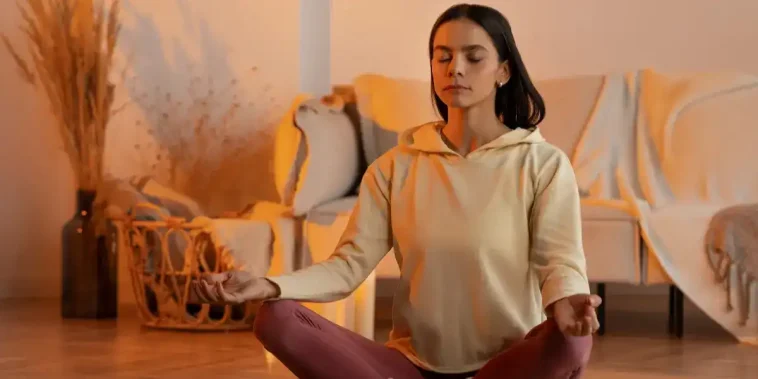
Breathing travels with me everywhere, yet for years I treated it as background noise instead of a practical tool. Daily stress, long hours, and constant stimulation shaped my breathing without asking permission. Tension crept in quietly, settling into shallow inhales and rushed exhales. Paying attention to the breath revealed how much influence it has over focus, mood, and physical comfort.
Simple breathing exercises have become part of my everyday rhythm because they do not require special clothing, silence, or a yoga mat. They fit into ordinary moments just as easily as formal practice. A few conscious breaths can shift how the body feels within minutes. The value lies in consistency rather than complexity.
Why Simple Breathing Exercises Matter
Complex techniques often sound impressive, yet simplicity tends to be more sustainable. Simple breathing exercises meet the body where it already is instead of demanding dramatic change. They work with natural patterns rather than forcing new ones. This makes them easier to return to during busy or stressful moments.
I rely on these practices because they feel accessible even on difficult days. They create small pockets of calm that add up over time. The body responds quickly when it feels supported instead of pushed. Simplicity encourages trust and regular use.
Noticing the Breath Before Changing It
Awareness comes before technique. Jumping straight into control can mask what the breath is already communicating. Subtle tension, emotional residue, and fatigue often show up in breathing patterns first. Taking time to notice them creates clarity.
I pause briefly to observe how my breath feels without altering it. The speed, depth, and rhythm reveal more than expected. This observation sets a baseline and informs what kind of support the breath actually needs. Change becomes more intuitive after that moment of listening.
Slow Natural Breathing
Slow natural breathing is exactly what it sounds like, yet it can feel unfamiliar at first. The goal is not to deepen or extend the breath artificially. Instead, the focus rests on allowing the breath to slow on its own. The body often knows what it needs when given space.
I allow each inhale and exhale to unfold without interference. Over a few cycles, the breath naturally lengthens and smooths out. The nervous system responds by softening muscle tension. This practice works well in public spaces because it draws no attention.
Extended Exhale Breathing
The exhale plays a key role in relaxation and release. Lengthening it gently can signal safety to the nervous system. This shift encourages the body to let go of unnecessary tension. It often calms mental restlessness as well.
I breathe in comfortably, then allow the exhale to last slightly longer than the inhale. No strain is involved, just patience. The extended exhale creates a sense of completion at the end of each breath. Over time, this pattern becomes deeply soothing.
Box Breathing for Balance
Box breathing offers structure when the mind feels scattered. It involves equal parts inhale, pause, exhale, and pause. This symmetry brings a sense of balance and order. The predictable rhythm steadies attention.
I visualize each phase as a side of a square, moving steadily from one to the next. The even timing creates a calming focus point. This exercise works well during moments of overwhelm because it gives the mind something concrete to follow. Balance gradually replaces urgency.
Gentle Belly Breathing
Belly breathing encourages the breath to move lower in the body. Stress often pulls breathing upward into the chest. Redirecting it downward supports grounding and relaxation. This practice can feel unfamiliar but deeply nourishing.
I place awareness on the belly and allow it to soften as I inhale. The movement feels subtle rather than exaggerated. On the exhale, the belly gently falls back toward the spine. This rhythm creates a sense of stability that carries into posture and mood.
Ribcage Expansion Breathing
The ribcage holds a surprising amount of tension, especially during stressful periods. Limited rib movement restricts breathing capacity. Encouraging lateral expansion restores natural mobility. It also creates a feeling of spaciousness in the torso.
I imagine the breath widening the sides of my ribs as I inhale. The chest stays relaxed while the ribs expand outward. On the exhale, everything softens inward. This practice feels especially helpful during long periods of sitting.
Quiet Nasal Breathing
Nasal breathing supports calm and efficiency without effort. The nose naturally regulates airflow and encourages slower breathing. This makes it ideal for everyday use. It also reduces the urge to overbreathe.
I gently close my mouth and let the breath move through the nose. The sensation feels contained and steady. Over time, this becomes my default breathing pattern. Stress feels less intrusive when the breath remains quiet and controlled.
Counting Breaths for Focus
Counting breaths offers a simple way to anchor attention. It gives the mind a task without overwhelming it. This can reduce anxious spirals and mental chatter. The structure feels reassuring.
I count each exhale up to five, then start again. If the count is lost, I return to one without frustration. The repetition builds concentration and patience. This exercise fits easily into waiting rooms, commutes, or short breaks.
Soft Pause Awareness
Pauses naturally occur at the end of each inhale and exhale. These moments often go unnoticed. Bringing awareness to them creates a sense of stillness without force. The pause can feel deeply calming.
I allow the pause to be as long or short as it wants to be. No holding or pushing is involved. Resting in that quiet moment brings clarity and ease. Over time, these pauses become familiar resting points.
Breathing With Gentle Movement
Movement paired with breath enhances the effects of both. Simple motions like shoulder rolls or neck stretches guided by breathing feel supportive. This combination releases tension more effectively than stillness alone. The body feels included rather than restrained.
I inhale as the body opens or lifts, then exhale as it softens or releases. The breath provides rhythm and continuity. This approach works well during breaks from desk work. Movement and breath together create relief without effort.
Seated Breathing in Public Spaces
Public environments often increase tension without being obvious. Crowds, noise, and waiting can subtly elevate stress. Seated breathing exercises offer a discreet way to reset. They require no visible movement.
I sit with my feet grounded and spine relaxed. Attention rests on the breath moving in and out naturally. A few slow cycles create a sense of privacy within public space. This practice makes busy environments feel more manageable.
Standing Breathing for Grounding
Standing offers a different kind of stability. The connection between feet and ground supports balance. Breathing while standing enhances this sense of support. It can feel especially grounding during transitions.
I notice the weight of my feet while breathing slowly. Each exhale sinks awareness downward. The body feels anchored rather than rushed. This exercise works well before meetings or transitions between activities.
Breathing During Walking
Walking provides a natural rhythm that pairs easily with breath. Matching steps to breathing creates flow. This practice transforms ordinary walks into calming rituals. It also encourages presence.
I synchronize a few steps with each inhale and exhale. The rhythm feels steady and unforced. Attention stays with movement and breath instead of drifting. Walking becomes both functional and restorative.
Short Breathing Breaks Throughout the Day
Consistency matters more than duration. Short breathing breaks scattered throughout the day prevent stress from accumulating. They act as gentle resets. The body benefits from regular attention.
I pause for a few breaths between tasks or activities. These moments add up without disrupting the day. Stress feels less overwhelming when addressed early. Breathing becomes part of daily maintenance.
Adapting Breathing to Emotional States
Different emotional states call for different breathing approaches. Restlessness may benefit from longer exhales, while low energy may respond to fuller inhales. Flexibility allows breathwork to remain supportive. Rigid rules are unnecessary.
I listen to how the body feels before deciding how to breathe. This responsiveness builds trust and awareness. The breath becomes a tool rather than a rule. Emotional balance feels more attainable.
Letting Go of Perfection
Breathing exercises do not require precision. Imperfect practice still offers benefits. Releasing the need to perform correctly reduces pressure. Ease encourages consistency.
I allow the breath to vary from day to day. Some sessions feel smooth, others feel uneven. Both offer information and value. Progress unfolds naturally without forcing outcomes.
Building a Habit Without Effort
Habits form more easily when they feel supportive. Linking breathing exercises to existing routines helps. Simple reminders work better than rigid schedules. The goal is integration, not obligation.
I pair breathing with activities like waking up, waiting, or winding down. These cues create natural entry points. Over time, breathing awareness becomes automatic. Calm feels more accessible.
Final Thoughts
Simple breathing exercises offer reliable support in any environment because they work with what is already present. They require attention rather than equipment or isolation. Through steady practice, breath becomes a companion instead of an afterthought. Returning to it again and again creates resilience, clarity, and a sense of ease that carries into every part of life.

GIPHY App Key not set. Please check settings