
 Dominic
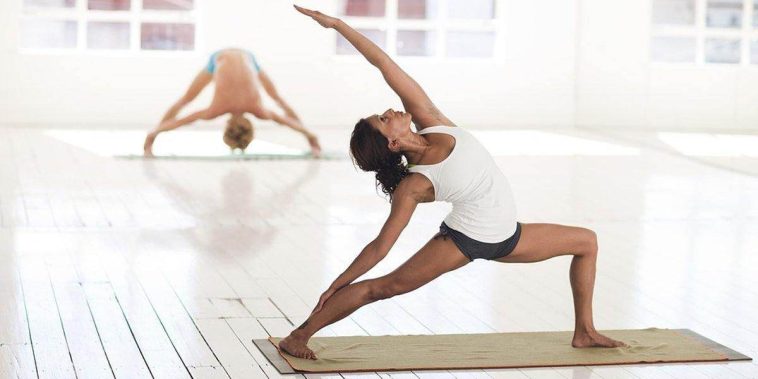
Short yoga flows have become one of the most reliable ways I stay consistent with my practice, even on days that feel packed from start to finish. A brief session removes the pressure of carving out a large block of time and shifts the focus toward intention and quality. These compact flows prove that meaningful yoga does not depend on duration but on how present and purposeful the practice feels. Over time, I realized that shorter routines often deliver results that rival much longer sessions.
Why Short Yoga Flows Fit Real Life
Busy schedules do not always leave room for extended practices, yet the body and mind still need movement and grounding. Short yoga flows slip into real life without disruption, making consistency far more achievable. I noticed that practicing more often, even for a limited time, created better momentum than occasional long sessions. This rhythm supports both physical health and mental clarity.
Short flows also reduce resistance. When the commitment feels manageable, showing up becomes easier. The practice begins without internal negotiation or delay. That simplicity often leads to deeper focus once the session starts.
The Power of Focused Intention
A short yoga flow works best when it centers on a clear intention. I decide before starting whether the session is meant to energize, calm, stretch, or strengthen. This clarity guides every movement and breath. Without a defined focus, short practices can feel rushed or incomplete.
Intentional practice encourages efficiency. Each pose serves a purpose rather than filling time. This approach sharpens awareness and makes the benefits noticeable almost immediately. Over time, this clarity spills into longer practices as well.
How Short Flows Improve Consistency
Consistency builds results more reliably than intensity alone. Short yoga flows make daily or near-daily practice realistic rather than aspirational. I found that practicing for fifteen minutes most days created more noticeable change than practicing for an hour once a week. The body responds well to regular movement and gentle challenge.
Mental habits also shift through consistency. Short sessions reduce guilt associated with skipped practices. Instead of falling out of routine, it becomes easy to return the next day. This steady rhythm supports long-term growth.
Physical Benefits Packed Into Less Time
Short yoga flows can still build strength, mobility, and balance. By selecting compound movements and flowing smoothly between poses, the body stays engaged throughout the session. I often feel warmer and more open after a brief flow than after a longer, less focused practice. Efficiency becomes the defining feature.
Targeted flows address specific areas such as hips, spine, or shoulders. Even a short session can release tension when movements are chosen thoughtfully. Over time, these small adjustments add up to noticeable physical improvement.
Mental Clarity Through Brief Practice
Mental benefits often appear faster than physical ones during short flows. Focusing on breath and movement quiets mental noise almost immediately. I notice that even ten minutes can reset my mood and sharpen concentration. This makes short flows especially useful during stressful days.
Brief practices also help interrupt negative thought patterns. Stepping onto the mat creates a pause that shifts perspective. That pause often carries into the rest of the day, improving decision-making and emotional balance.
Structuring a Short Yoga Flow
Structure matters when time is limited. I begin with simple movements that warm the body and connect breath to motion. The middle portion includes poses that address the main intention, whether strength, mobility, or relaxation. The flow ends with a brief moment of stillness to integrate the practice.
This structure creates a sense of completeness. Even a short session feels intentional rather than abrupt. Ending with rest reinforces the benefits and allows the nervous system to settle.
Energizing Short Flows for Busy Mornings
Morning short flows help activate the body without draining energy. I include movements that open the spine, engage the legs, and encourage steady breathing. These sessions wake up the body while setting a calm tone for the day. They feel supportive rather than overwhelming.
Short morning flows also sharpen focus. Instead of rushing into tasks, the body transitions smoothly into activity. This gentle activation improves posture and awareness throughout the day. Over time, mornings feel less rushed and more centered.
Midday Flows for Resetting Energy
Midday often brings stiffness and mental fatigue. Short yoga flows act as a reset without requiring a full break from responsibilities. I focus on releasing tension in the neck, shoulders, and hips. These areas often hold stress from sitting or repetitive movement.
These flows restore circulation and clarity. Even a brief practice can reduce sluggishness and improve concentration. Returning to tasks afterward feels easier and more focused.
Evening Short Flows for Relaxation
Evening short flows emphasize release rather than effort. I slow the pace and choose poses that calm the nervous system. Gentle stretches and longer holds help signal the body that it is time to unwind. These sessions support better sleep and recovery.
Short evening practices also help separate work from rest. The mat becomes a transition space. This boundary supports mental relaxation and emotional balance at the end of the day.
Using Breath to Enhance Short Sessions
Breath plays a central role in maximizing the benefits of short yoga flows. I pay close attention to inhalations and exhalations, allowing them to guide movement. Conscious breathing amplifies the effects of each pose. It also anchors attention in the present moment.
Breath awareness helps regulate effort. In short sessions, rushing becomes tempting, but steady breathing prevents that. The practice feels calm and grounded rather than hurried. This focus enhances both physical and mental benefits.
Making Short Flows Feel Complete
Completeness matters regardless of session length. I ensure each short flow includes a clear beginning, middle, and end. This structure prevents the practice from feeling cut short. Even a few minutes of stillness at the end makes a difference.
Integration time allows the body to absorb the practice. It also reinforces mindfulness. Ending intentionally makes the session feel satisfying rather than rushed.
Adapting Short Flows to Energy Levels
Energy varies from day to day, and short flows adapt easily. On high-energy days, I include dynamic movements and strength-building poses. On low-energy days, the focus shifts to gentle stretches and slower transitions. This flexibility keeps practice supportive.
Short sessions reduce pressure to perform. Adjusting intensity feels natural rather than like a compromise. This adaptability encourages listening to the body and honoring its needs.
Short Flows and Long-Term Progress
Progress does not depend solely on session length. I noticed that consistent short flows improved mobility, balance, and awareness over time. These small daily inputs accumulate into meaningful change. The body responds well to regular, gentle challenge.
Mental progress follows a similar pattern. Regular brief practices build resilience and focus. This steady improvement supports both physical health and emotional well-being.
Overcoming the Myth of Longer Is Better
Longer practices often receive more attention, but they are not always practical. Short yoga flows challenge the idea that more time equals better results. I learned that quality of attention matters more than duration. Focused movement and breath deliver benefits efficiently.
This shift in perspective removes unnecessary pressure. Yoga becomes accessible rather than demanding. That accessibility supports long-term commitment and enjoyment.
Integrating Short Flows Into Daily Life
Short yoga flows integrate easily into daily routines. I practice them between tasks, during breaks, or before transitions. This flexibility makes yoga part of life rather than an isolated activity. The mat becomes a familiar space rather than a special occasion.
Integration also reinforces mindfulness. Movement and awareness carry into everyday activities. Over time, yoga influences posture, breath, and stress response throughout the day.
Staying Motivated With Short Practices
Motivation remains steadier when practice feels manageable. Short flows reduce excuses and hesitation. Showing up becomes a habit rather than a decision. This reliability builds confidence and trust in the routine.
Celebrating small sessions reinforces motivation. Each practice counts, regardless of length. This mindset keeps yoga enjoyable and sustainable.
Final Thoughts
Short yoga flows prove that meaningful practice does not require long sessions or complex routines. I found that consistency, intention, and presence matter far more than duration. These compact practices support strength, flexibility, and mental clarity while fitting seamlessly into real life. Short yoga flows that still deliver big benefits offer a sustainable path toward long-term well-being.

GIPHY App Key not set. Please check settings