
 Dominic
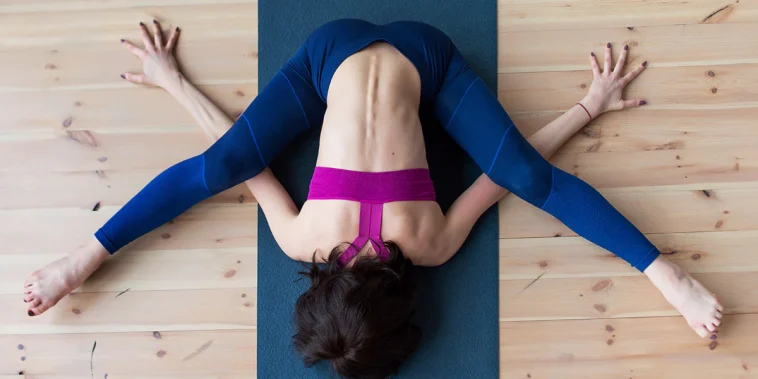
Seated yoga poses invite the body to slow down while still offering meaningful physical work. They create space to explore flexibility without the intensity of standing or balancing shapes. I return to seated poses whenever I want to quiet my thoughts and reconnect with steady breathing. The grounded nature of these postures supports both physical ease and mental clarity.
Practicing on the floor shifts attention inward. Without the constant demand to stabilize against gravity, the body can soften more naturally. Seated poses encourage patience, asking for gentle effort rather than force. Over time, they become a reliable way to release tension and cultivate calm.
Why Seated Poses Matter in Yoga Practice
Seated poses form an essential part of a well-rounded yoga practice. They offer opportunities to stretch muscles that often tighten from daily habits like sitting and walking. I notice that hips, hamstrings, and the lower back respond especially well to these shapes. Flexibility develops gradually, supported by stillness and breath.
Calm arises naturally in seated poses because the nervous system receives cues of safety and stability. With the body close to the ground, the mind often settles more easily. I find it simpler to focus on subtle sensations and breath rhythm. This combination of physical release and mental quiet makes seated poses deeply restorative.
Creating a Supportive Seated Foundation
A comfortable base makes all the difference in seated yoga poses. Sitting on a folded blanket or cushion elevates the hips, allowing the spine to lengthen with less effort. I pay attention to grounding evenly through the sit bones. This support prevents strain and encourages relaxation.
Alignment begins at the pelvis. When the pelvis tilts naturally, the spine follows into a neutral position. I notice that even small adjustments change how the pose feels. Establishing a stable foundation supports both flexibility and calm throughout the practice.
Easy Pose for Gentle Opening
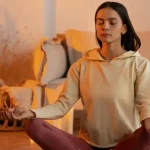
Easy Pose appears simple, yet it offers valuable insight into posture and comfort. Sitting cross-legged, I allow the knees to rest wherever they land without forcing them down. The focus stays on lifting through the spine while relaxing the shoulders. This balance encourages ease without collapse.
Breath awareness deepens in this pose. I notice the natural rhythm of inhalation and exhalation without interference. Easy Pose becomes a place to observe sensations and thoughts. Over time, it supports both hip flexibility and mental steadiness.
Seated Forward Fold for Release
Seated Forward Fold invites a gentle stretch along the back body. From an upright seat with legs extended, I hinge forward at the hips while keeping the spine long. Bent knees help maintain comfort and protect the lower back. This approach prioritizes release over depth.
The pose encourages introspection and calm. As the torso softens toward the legs, the nervous system responds by slowing down. I find that lingering here with steady breath releases tension gradually. Seated Forward Fold supports flexibility while soothing the mind.
Head-to-Knee Pose for Asymmetrical Flexibility
Head-to-Knee Pose introduces an uneven stretch that highlights differences between sides. One leg extends while the other foot rests against the inner thigh. Folding forward, I focus on length through the spine rather than reaching the foot. This pose offers a deep yet controlled stretch.
Attention to breath enhances the experience. I notice subtle changes with each exhale as muscles soften. Switching sides reveals unique sensations and flexibility patterns. Head-to-Knee Pose promotes patience and awareness through asymmetry.
Bound Angle Pose for Hip Opening
Bound Angle Pose targets the hips and inner thighs in a supported way. Sitting upright, I bring the soles of the feet together and allow the knees to drop outward. Holding the feet gently, I focus on lifting through the chest. Support under the knees helps maintain ease.
The pose encourages openness without strain. I notice how breath naturally deepens as the hips relax. Bound Angle Pose often feels grounding and calming. It supports flexibility while inviting a sense of ease.
Seated Wide-Legged Forward Fold for Spaciousness
Seated Wide-Legged Forward Fold creates a broad stretch through the inner legs. Opening the legs wide, I sit tall before folding forward. Hands can rest on the floor or a block for support. This setup encourages length rather than compression.
The wide stance offers a sense of spaciousness. I feel tension release through the hips and lower back. Staying present with breath keeps the stretch gentle. This pose combines flexibility with a grounded, calming quality.
Half Lord of the Fishes for Gentle Twisting
Half Lord of the Fishes introduces a seated twist that refreshes the spine. Sitting tall, I bend one knee and rotate the torso toward it. Length through the spine comes before rotation. This sequence protects the back and deepens the twist safely.
Twists encourage detoxification and mental clarity. I notice a sense of renewal after holding the pose. Breath guides the movement, allowing gradual rotation. Half Lord of the Fishes balances flexibility with calm focus.
Seated Side Bend for Lateral Stretch
Seated Side Bend offers a gentle opening through the sides of the body. From a seated position, I reach one arm overhead and lean to the opposite side. The movement remains smooth and controlled. This pose stretches areas often neglected in daily movement.
The side body responds quickly to breath-led movement. I feel expansion with each inhale and softening with each exhale. Alternating sides restores balance. Seated Side Bend supports flexibility while maintaining a relaxed pace.
Staff Pose for Postural Awareness
Staff Pose appears neutral but demands mindful engagement. Sitting with legs extended, I press through the heels and lift through the spine. Hands rest beside the hips, supporting an upright posture. This pose strengthens awareness of alignment.
Calm arises through stillness and effort balanced together. I notice how subtle core engagement supports the spine. Staff Pose reinforces habits of good posture. It lays the groundwork for other seated poses.
Seated Figure Four for Hip Release
Seated Figure Four focuses on the outer hips. Crossing one ankle over the opposite thigh, I gently hinge forward. Support under the knee prevents strain. The stretch remains controlled and comfortable.
This pose reveals areas of stored tension. I allow time for the muscles to soften naturally. Breath encourages release without forcing depth. Seated Figure Four supports flexibility and calm through patience.
Hero Pose and Its Variations
Hero Pose offers a deep stretch for the thighs and knees. Sitting between the heels, I use blocks if needed to reduce pressure. Upright posture supports the spine. This pose requires attentiveness and respect for individual limits.
Calm develops through steady breathing and stillness. I notice a grounding effect as the body settles. Variations allow gradual adaptation. Hero Pose builds flexibility while encouraging mindfulness.
Seated Pigeon for Deep Hip Stretch
Seated Pigeon adapts a familiar shape to the floor. One leg bends in front while the other extends back or stays bent. Folding forward gently increases the stretch. Support under the hips maintains comfort.
The pose invites deep release in the hips. I remain attentive to sensations, avoiding strain. Breath helps navigate intensity. Seated Pigeon combines flexibility work with introspective calm.
Breath Awareness in Seated Poses
Breath becomes more noticeable in seated poses. Without balancing demands, attention naturally shifts inward. I observe how breath changes as muscles release. Slow, steady breathing supports relaxation.
Using breath intentionally enhances flexibility. Exhalations encourage softening, while inhalations create length. This rhythm calms the nervous system. Breath awareness deepens the restorative quality of seated practice.
The Nervous System and Seated Practice
Seated poses send signals of safety to the nervous system. Proximity to the ground promotes a sense of security. I notice heart rate and thoughts slowing down. This response supports stress reduction.
Practicing seated poses regularly builds resilience. Calm becomes more accessible even outside of practice. The body learns to associate stillness with ease. Seated yoga nurtures both flexibility and emotional balance.
Using Props to Support Flexibility
Props enhance comfort and accessibility in seated poses. Blankets under the hips improve spinal alignment. Blocks provide support during forward folds. These tools encourage relaxation rather than struggle.
I view props as partners in practice. They allow focus on sensation and breath. Over time, reliance may decrease naturally. Props support sustainable growth in flexibility.
Common Mistakes to Avoid in Seated Poses
Forcing depth often leads to tension. I remind myself that flexibility develops gradually. Pain signals the need to ease back. Listening to the body prevents setbacks.
Neglecting spinal alignment can limit benefits. Slouching reduces effectiveness and comfort. I prioritize length and support. Awareness maintains safety and calm.
Integrating Seated Poses Into Daily Practice
Seated poses fit easily into any routine. Short sequences offer relief during busy days. I often practice them in the evening to unwind. Their gentle nature supports consistency.
Combining seated poses with breathwork enhances relaxation. Even brief sessions provide noticeable benefits. Regular integration builds flexibility steadily. Calm becomes a familiar state.
Seated Poses Beyond the Mat
Benefits of seated yoga extend into daily life. Improved hip and spine flexibility supports comfort while sitting. Calm cultivated on the mat influences responses to stress. I notice greater patience and clarity.
Mindful sitting habits improve posture and ease. Seated practice encourages awareness during everyday activities. These poses offer tools for ongoing well-being. Their impact reaches far beyond practice time.
Progress Over Time With Seated Practice
Flexibility increases gradually with consistent seated practice. Small changes accumulate into noticeable ease. I celebrate subtle improvements rather than chasing extremes. Patience remains essential.
Calm deepens alongside physical progress. The mind learns to settle more quickly. Seated poses teach the value of slowing down. Progress unfolds through steady, mindful effort.
Final Thoughts
Seated yoga poses for flexibility and calm provide a gentle yet powerful approach to practice. They encourage release, awareness, and steadiness through simple shapes. Time spent on the floor nurtures both body and mind. With consistent practice, seated poses become a reliable pathway to ease, balance, and inner calm.

GIPHY App Key not set. Please check settings