


 Dominic
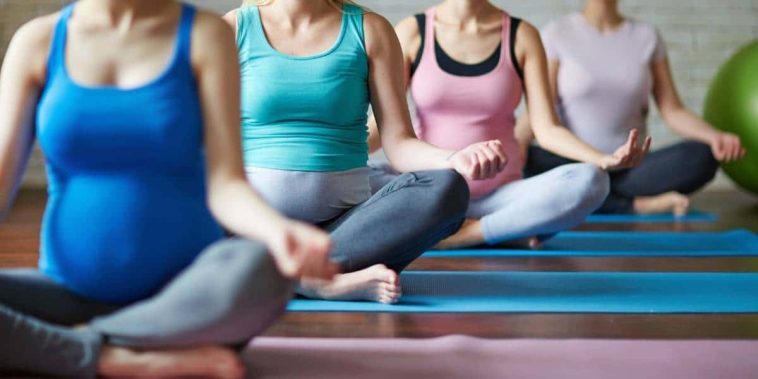
Tightness and fatigue settle into the body quietly, often long before they are acknowledged. Muscles stiffen, joints lose their natural ease, and energy begins to feel scattered or low. Recovery-focused yoga offers a way to address this state without adding more strain or pressure. The goal is not to push flexibility or strength, but to restore comfort, circulation, and nervous system balance.
This type of practice meets the body exactly where it is. On days when everything feels heavy or compressed, yoga becomes a supportive tool rather than a challenge. Recovery-focused yoga creates the conditions for the body to unwind at its own pace, allowing tired systems to reset instead of powering through exhaustion.
What Tight and Tired Really Means
Tightness does not always come from intense physical activity. Long hours of sitting, emotional stress, repetitive movements, and poor sleep can all create the same sensation of restriction. Muscles stay partially contracted, joints feel dull, and movement loses its fluidity.
Fatigue often accompanies this tightness, even when rest seems adequate. The nervous system remains overstimulated, preventing full recovery. Recovery-focused yoga addresses both physical restriction and the deeper fatigue that lives beneath it.
Why Recovery Needs a Different Approach
Traditional movement practices often emphasize effort, progression, or performance. While those elements have their place, they can overwhelm a tired body. Recovery-focused yoga shifts the emphasis toward release, gentleness, and listening.
This approach allows the body to recover without additional stress. Muscles soften instead of bracing, and breath deepens naturally. The practice supports healing rather than demanding output.
The Role of the Nervous System in Tightness
Tight muscles are often a reflection of a stressed nervous system. When the body perceives constant demand, it maintains protective tension. Even during rest, this tension can linger.
Recovery-focused yoga calms the nervous system through slow pacing and predictable movement. As the nervous system settles, muscles receive permission to let go. This connection explains why gentle practices can feel more effective than forceful stretching.
Slowing the Pace to Support Release
Speed plays a major role in how the body responds to movement. Fast transitions can keep the body in a state of alertness. Slower movement invites safety and awareness.
Recovery-focused yoga uses unhurried transitions and longer holds. This pace allows sensations to unfold gradually. The body responds with deeper release rather than resistance.
Using Breath to Ease Fatigue
Breath is often shallow when the body is tired or stressed. This pattern limits oxygen delivery and reinforces tension. Recovery-focused yoga prioritizes slow, steady breathing to counteract this cycle.
Each breath becomes an opportunity to soften. Longer exhalations encourage the body to relax. Over time, breathing patterns improve both on and off the mat.
Gentle Stretching Without Forcing Range
Aggressive stretching can overwhelm tired muscles and create more tension. Recovery-focused yoga avoids pushing into end ranges. Instead, it encourages stretching that feels supportive and sustainable.
Muscles release more effectively when they feel safe. Gentle stretching respects the body’s current limits. This approach prevents overstretching and supports long-term recovery.
Supporting Overworked Areas of the Body
Certain areas tend to hold the most fatigue, especially the hips, lower back, shoulders, neck, and calves. Recovery-focused yoga targets these regions through supported poses and mindful positioning. Attention stays on comfort rather than depth.
By staying in poses longer with less effort, these areas gradually soften. Circulation improves, and discomfort begins to fade. The body feels more evenly balanced instead of dominated by one tight zone.
The Value of Supported Poses
Props play an important role in recovery-focused yoga. Blankets, bolsters, and blocks support the body so muscles do not have to work unnecessarily. This support allows deeper relaxation without collapse.
Supported poses reduce the effort required to stay present. The body can rest while still receiving the benefits of gentle stretching. Support turns rest into an active part of recovery.
Releasing Fascia Through Stillness
Fascia responds best to slow, sustained pressure rather than quick movements. Recovery-focused yoga provides the time fascia needs to adapt. Long holds encourage hydration and elasticity within connective tissue.
As fascia softens, movement feels less restricted overall. Tightness that seemed stubborn begins to ease. This release supports faster recovery and improved comfort.
How Recovery Yoga Improves Circulation
Gentle movement improves circulation without increasing fatigue. Blood flow delivers nutrients to tired muscles and helps remove metabolic waste. Recovery-focused yoga balances movement and stillness to support this process.
Improved circulation often brings a sense of warmth and ease. Muscles recover more efficiently when circulation is steady. The body feels refreshed rather than depleted.
Addressing Mental Fatigue Alongside Physical Tension
Mental fatigue often mirrors physical tightness. Constant focus, decision-making, and stimulation drain energy reserves. Recovery-focused yoga simplifies attention to breath and sensation.
This simplicity gives the mind a break. Thoughts slow down as physical tension releases. Mental clarity returns without effort or analysis.
Letting Go of the Need to Achieve
Recovery practices require a shift away from achievement. There is no pose to master or goal to reach. This absence of pressure is part of the healing process.
Letting go of achievement allows honest listening. The body responds more positively when expectations soften. Recovery becomes an experience rather than a task.
Restorative Elements Within Recovery Yoga
Restorative elements emphasize complete support and minimal effort. These poses invite the deepest levels of relaxation. The nervous system responds by lowering stress hormones and promoting repair.
Including restorative moments within recovery-focused yoga deepens its impact. The body receives permission to fully rest. This rest enhances both physical and emotional recovery.
How Recovery Yoga Supports Better Sleep
Tight and tired bodies often struggle with sleep. Muscles remain tense, and the mind stays active. Recovery-focused yoga prepares the body for rest by releasing tension and calming the nervous system.
Even short sessions can improve sleep quality. The body transitions more smoothly into rest. Better sleep reinforces the recovery process.
Adapting Practice to Energy Levels
Energy fluctuates from day to day. Recovery-focused yoga adapts easily to these changes. Some days call for more movement, while others benefit from longer stillness.
Listening to energy levels prevents overdoing it. The practice remains supportive rather than draining. Adaptability keeps recovery consistent and effective.
The Importance of Transitions
Transitions between poses deserve as much attention as the poses themselves. Moving slowly between shapes prevents sudden strain. This care supports tired joints and muscles.
Mindful transitions also reinforce calm pacing. The nervous system stays relaxed throughout practice. Smooth transitions contribute to overall ease.
Emotional Release Through Gentle Practice
Tired bodies often carry emotional weight as well. Recovery-focused yoga creates space for emotional release without forcing it. Sensations guide awareness rather than thoughts.
As the body softens, emotions may shift or settle. This process feels natural rather than overwhelming. Emotional ease supports physical recovery.
Integrating Recovery Yoga Into Busy Schedules
Recovery-focused yoga does not require long sessions. Even brief practices can make a noticeable difference. Short sequences fit easily into busy days.
Consistency matters more than duration. Regular gentle practices prevent tightness from accumulating. Recovery becomes part of daily maintenance rather than a reaction to burnout.
Avoiding the Trap of Doing Too Much
It is easy to turn recovery into another form of effort. Adding too many poses or holding stretches too intensely defeats the purpose. Recovery-focused yoga values restraint.
Less often leads to more. Simpler practices allow deeper relaxation. The body responds best when effort stays minimal.
Recovery Yoga on Active Recovery Days
Active recovery days benefit from gentle yoga that maintains movement without stress. These sessions keep joints mobile and muscles relaxed. Energy remains steady rather than depleted.
Recovery yoga complements other forms of training. It supports consistency without overloading the system. Active recovery feels purposeful instead of passive.
Long-Term Benefits of Recovery-Focused Practice
Over time, recovery-focused yoga changes how the body handles stress. Tightness resolves more quickly, and fatigue feels less overwhelming. The body learns how to return to balance faster.
This resilience supports longevity in movement and daily life. Recovery becomes proactive rather than reactive. Yoga shifts from something done occasionally to something relied upon regularly.
Building Trust With the Body
Recovery-focused yoga strengthens trust between body and mind. Listening replaces forcing, and patience replaces urgency. This trust deepens awareness.
A trusting relationship supports better movement choices. The body feels supported rather than pushed. Recovery becomes a shared process rather than a battle.
Ending Practice With Integration
The end of a recovery session matters as much as the beginning. Allowing time to rest helps integrate the effects of practice. This pause anchors relaxation.
Rushing out of practice can disrupt the recovery response. A few minutes of stillness reinforce calm. Integration ensures the benefits carry forward.
Final Thoughts
Recovery-focused yoga for tight and tired bodies is about restoring ease without pressure. Through slow movement, supportive poses, and mindful breathing, the body learns how to release and reset. Recovery becomes a natural response rather than a forced correction.
This style of practice supports sustainability, comfort, and resilience. Tightness softens, fatigue lifts, and movement feels more fluid over time. Yoga becomes a reliable companion for recovery in both body and mind.



GIPHY App Key not set. Please check settings