
 Dominic
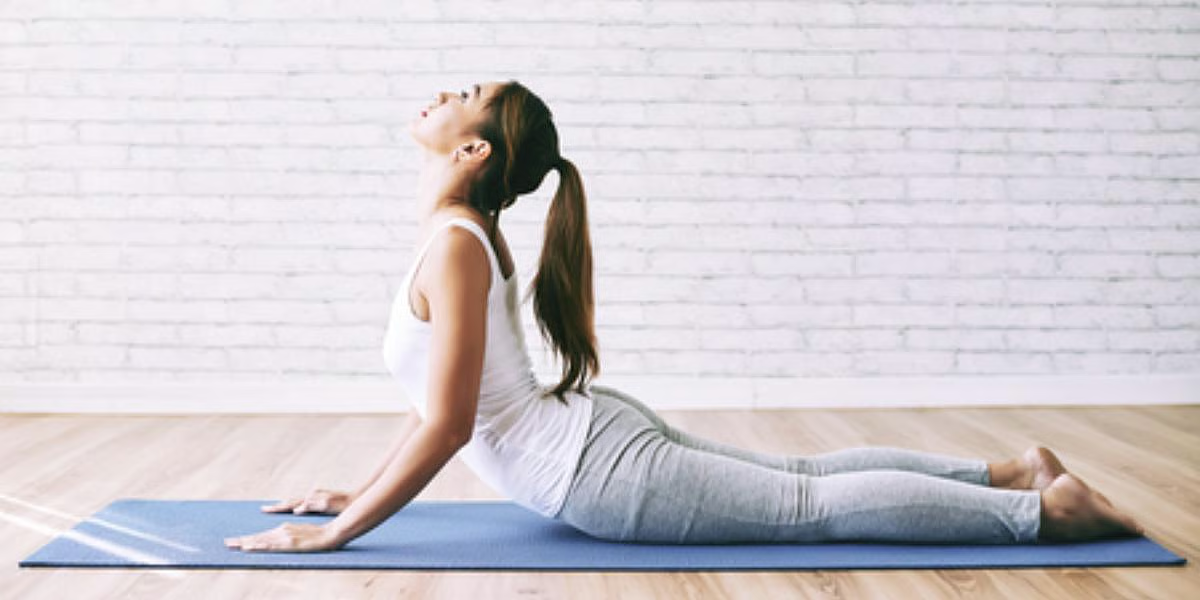
Strength in yoga does not have to come from pushing joints to their limits or forcing muscles into extreme ranges of motion. I have found that real strength develops when the body feels supported, steady, and controlled. Poses that emphasize stability over depth create resilience without leaving the body feeling drained or overstretched. This approach builds confidence and long-term sustainability in practice.
Many people associate yoga with flexibility alone, but strength is equally important. Muscles protect joints, support posture, and prevent strain during everyday movement. I focus on poses that ask the muscles to work while allowing natural ranges of motion. Over time, this balance creates strength that feels useful both on and off the mat.
Why Strength Without Overstretching Matters
Overstretching often looks impressive, but it can weaken joints and create instability. I have noticed that when flexibility outpaces strength, discomfort follows. Muscles need to engage fully to support movement. Strength-focused poses help maintain this balance.
Building strength without excessive stretching also supports consistency. The body recovers faster and feels more willing to practice again. I experience less soreness and more control in daily movement. This approach encourages progress that lasts.
How Yoga Builds Functional Strength
Yoga strength relies on bodyweight resistance and controlled movement. Instead of lifting external weights, the body works against gravity. I notice that slow transitions and sustained holds challenge muscles deeply. These actions build strength that supports posture and balance.
Functional strength improves coordination and awareness. Muscles learn to work together rather than in isolation. I feel more stable during simple tasks like standing or walking. Yoga strength supports everyday life.
Mountain Pose as a Strength Foundation
Mountain Pose appears still, yet it activates the entire body. Standing tall, I engage the legs gently while lifting through the spine. Subtle core engagement supports alignment. This pose teaches strength through awareness.
I notice how grounding through the feet stabilizes everything above. Breath remains steady and calm. Mountain Pose builds postural strength without stretching beyond comfort. It establishes habits that carry into other poses.
Chair Pose for Lower Body Strength
Chair Pose builds strength in the legs and hips without forcing range of motion. I sit back as if lowering into a chair while keeping the chest lifted. Weight stays balanced through the feet. This pose demands endurance and focus.
The thighs work steadily, and the core supports the spine. I avoid sinking too deeply to protect the knees. Chair Pose builds strength that translates to daily movements like standing and sitting. It feels challenging without overstretching.
Plank Pose for Total Body Engagement
Plank Pose strengthens the core, shoulders, and legs simultaneously. I align shoulders over wrists and engage the abdomen gently. The body forms one strong line. This alignment prevents sagging or strain.
Holding Plank develops endurance and control. I focus on breath to maintain steadiness. The pose strengthens without requiring extreme flexibility. Plank builds confidence and resilience.
Side Plank for Controlled Strength
Side Plank challenges balance and lateral strength. Supporting the body on one arm and the side of one foot, I engage the core deeply. The lifted arm adds reach without forcing stretch. This pose builds stability.
Modifying with the lower knee down maintains support. I notice how the obliques and shoulders work together. Side Plank strengthens areas often overlooked. It develops strength without overstretching joints.
Warrior II for Endurance and Stability
Warrior II builds strength through sustained engagement. I ground through the feet and bend the front knee while extending the arms. The stance remains strong rather than deep. This pose encourages steadiness.
The legs work continuously while the upper body stays relaxed. I focus on even weight distribution. Warrior II strengthens hips and thighs without pushing range of motion. It supports stamina and focus.
High Lunge for Strength and Balance
High Lunge builds strength in the legs and core. Stepping one foot back, I lift the torso upright. The back heel stays lifted to activate the legs. This pose demands balance and control.
I shorten the stance if needed to avoid strain. Core engagement protects the lower back. High Lunge builds strength without excessive stretching. It improves coordination and stability.
Goddess Pose for Hip and Leg Strength
Goddess Pose strengthens the inner thighs and hips. Standing wide with knees bent, I keep the torso upright. The depth remains comfortable rather than extreme. This pose emphasizes muscular engagement.
I focus on pressing the knees outward gently. Arms add an upper body challenge if lifted. Goddess Pose builds strength that supports functional movement. It avoids forcing flexibility.
Bridge Pose With Controlled Engagement
Bridge Pose strengthens the back body without deep stretching. Lifting the hips, I engage the glutes and hamstrings steadily. The spine stays long rather than compressed. This approach protects the lower back.
Using a block under the hips adds support. I focus on controlled engagement rather than height. Bridge Pose strengthens posture and stability. It feels supportive and grounding.
Tabletop Pose for Core and Shoulder Stability
Tabletop Pose activates the core and shoulders subtly. On hands and knees, I engage the abdomen to keep the spine neutral. Weight distributes evenly through hands and knees. This pose builds awareness and strength.
Lifting one arm or leg increases the challenge. I maintain balance without collapsing. Tabletop strengthens stabilizing muscles gently. It supports joint health and control.
Forearm Plank for Shoulder Protection
Forearm Plank offers strength with less wrist strain. Resting on forearms, I engage the core and legs fully. The body remains aligned and steady. This pose challenges endurance.
I avoid lifting hips too high or letting them drop. Breath remains steady. Forearm Plank builds strength safely. It supports shoulder stability without overstretching.
Locust Pose for Back Body Strength
Locust Pose strengthens the back muscles without deep extension. Lying on the belly, I lift the chest and legs slightly. Arms remain alongside the body or extended back. This pose emphasizes engagement.
I keep the lift modest and controlled. The focus stays on muscle activation rather than depth. Locust Pose supports spinal strength. It balances forward-focused movements.
Chair Twist for Strength and Control
Chair Twist combines strength and coordination. From Chair Pose, I rotate the torso gently. The twist remains controlled and upright. This approach protects the spine.
The legs continue working while the core stabilizes. I focus on length before rotation. Chair Twist builds strength without forcing flexibility. It improves balance and awareness.
Boat Pose With Modifications
Boat Pose strengthens the core effectively. Sitting upright, I lift the feet while keeping the chest open. Knees can remain bent to reduce strain. This modification maintains control.
I avoid collapsing the spine. Breath supports the hold. Boat Pose builds abdominal strength without overstretching. It enhances stability and focus.
Wall-Supported Poses for Safe Strength
Using the wall adds support while building strength. Wall Chair and wall-supported Plank reduce load. I focus on alignment and engagement. The wall offers feedback and stability.
These poses feel accessible and controlled. I notice improved muscle awareness. Wall support prevents overreaching. Strength develops steadily.
Isometric Holds for Muscle Engagement
Isometric holds build strength without movement. Holding poses like Chair or Plank challenges muscles deeply. I focus on steady breath and posture. This style builds endurance.
Without movement, joints remain protected. Muscles work without stretching excessively. Isometric strength supports stability. It feels controlled and effective.
Avoiding Overstretching During Strength Work
Overstretching often occurs when chasing depth. I prioritize alignment and engagement over range. Pain signals the need to adjust. Strength-focused practice respects these signals.
Maintaining slight bends in joints prevents strain. I listen closely to the body. This awareness prevents injury. Strength develops safely.
The Role of Breath in Strength Poses
Breath supports effort and control. I notice that holding the breath increases tension. Steady breathing maintains focus and stability. Each exhale encourages control.
Breath helps regulate intensity. I adjust effort when breathing becomes strained. This feedback keeps practice safe. Breath supports sustainable strength.
Balancing Strength and Mobility
Strength and mobility work together. I incorporate gentle movement between strength holds. This balance prevents stiffness. Muscles remain responsive rather than rigid.
Yoga supports this balance naturally. Strength poses followed by neutral shapes restore ease. I notice improved comfort. Balance enhances long-term progress.
Mental Benefits of Strength-Based Practice
Strength practice builds mental resilience. Holding poses teaches patience and focus. I notice improved confidence on the mat. This confidence carries into daily life.
Mental clarity improves with steady effort. Strength practice feels empowering. It reinforces trust in the body. Calm and focus grow together.
Adapting Strength Poses to Daily Energy Levels
Energy fluctuates from day to day. I adjust intensity based on how the body feels. Shorter holds still build strength. Adaptation supports consistency.
Strength practice does not require exhaustion. Moderate effort yields results. I honor rest when needed. This flexibility supports long-term commitment.
Strength Without Overstretching for Longevity
Sustainable practice prioritizes joint health. Strength protects against injury. I notice improved posture and stability over time. This approach supports longevity.
Avoiding extremes preserves enthusiasm. Practice remains enjoyable. Strength builds gradually and safely. Longevity becomes achievable.
Integrating Strength Poses Into Flow
Strength poses integrate smoothly into flowing sequences. Slow transitions increase challenge. I move with control rather than speed. This approach builds strength without strain.
Flowing between strength poses maintains engagement. Breath guides movement. The practice feels balanced. Strength develops organically.
Strength Beyond the Mat
Strength built through yoga supports daily activities. Lifting, walking, and standing feel easier. I notice improved balance and posture. Yoga strength feels practical.
This strength supports confidence and ease. Daily movement becomes more comfortable. Yoga extends beyond the mat. Strength becomes part of life.
Final Thoughts
Poses that build strength without overstretching offer a balanced and sustainable approach to yoga. By focusing on engagement, alignment, and breath, the body grows stronger without unnecessary strain. This style of practice supports joint health, confidence, and long-term consistency. Strength developed with care becomes a foundation for both physical resilience and mindful movement.

GIPHY App Key not set. Please check settings