

 Dominic
Morning sets the tone for everything that follows, and the way the body wakes up can shape focus, mood, and stamina for hours. I turn to yoga in the early part of the day because it creates a steady transition from rest to movement without shock or rush. Gentle strength, mindful breathing, and intentional flow combine to spark energy that feels clean rather than jittery. This kind of start supports clarity and presence long after the mat is rolled away.
A morning yoga flow does not need to be long or complicated to be effective. What matters is moving with purpose and allowing the breath to guide the body out of stillness. Over time, these flows become familiar companions that help reset posture, awaken muscles, and sharpen attention. Each session becomes a quiet commitment to meeting the day with awareness.
Why Morning Yoga Feels Different
Morning movement carries a unique quality because the body is transitioning from stillness. Muscles are often tight, joints feel slightly stiff, and the mind may still be drifting between sleep and wakefulness. Yoga meets this state with patience and structure rather than force. This gradual opening encourages circulation and warmth without overwhelming the system.
Energy built in the morning through yoga feels grounded and steady. Instead of relying on external stimulants, the body generates its own momentum through breath and movement. That internal energy tends to last longer and feels more balanced. The practice becomes a way to arrive fully into the day.
Preparing the Body After Rest
After hours of sleep, the body benefits from slow, deliberate movements. I start by acknowledging that the body needs time to adjust rather than immediate intensity. Gentle stretches signal the nervous system to wake up safely. This approach reduces the risk of strain and promotes ease.
Preparation also includes mental readiness. A few quiet breaths before movement help establish intention and awareness. Even brief pauses create space between sleep and activity. That space allows the practice to feel intentional rather than rushed.
Gentle Awakening Through Breath
Breath plays a central role in morning yoga flows. Deep, steady breathing encourages oxygen flow and helps clear mental fog. I focus on smooth inhalations and slow exhalations to support calm energy. Breath becomes the bridge between rest and motion.
Simple breathing patterns can shift energy quickly. Expanding the ribcage and softening the belly encourages relaxation while still building alertness. This balance helps the body wake up without tension. Over time, breath awareness becomes second nature.
Slow Warm-Up Movements
Early morning movement benefits from gradual progression. I begin with small motions that gently mobilize the spine and joints. Neck rolls, shoulder circles, and spinal waves ease stiffness without pressure. These movements create warmth and prepare the body for flow.
Warm-ups also provide a chance to listen inward. Sensations from the previous day often show up in the morning. Adjusting movements based on those signals builds trust with the body. This awareness supports safer and more effective practice.
Sun Salutation Variations for Energy
Sun Salutations form the backbone of many morning flows. I modify the pace to suit early energy levels, moving with control rather than speed. Each transition links breath with motion, building heat steadily. This sequence activates multiple muscle groups at once.
Variations allow flexibility based on how the body feels. Knees can lower, steps can replace jumps, and pauses can be added as needed. These adaptations keep the flow accessible without losing its energizing effect. Repetition builds familiarity and confidence.
Standing Poses to Build Momentum
Standing poses add strength and vitality to morning yoga. I move into these poses once the body feels warm and responsive. Warrior variations and lunges activate the legs and core while encouraging focus. These shapes create a sense of stability and power.
Balance becomes an important element during this phase. Standing poses challenge coordination and concentration, which helps wake the mind. Holding each pose for several breaths builds endurance without rushing. Energy develops through steadiness rather than force.
Flowing Transitions for Circulation
Transitions between poses matter as much as the poses themselves. Smooth transitions keep energy moving and maintain rhythm. I pay attention to how weight shifts through the feet and hands. Conscious movement supports circulation and joint health.
Flowing transitions also prevent stagnation. Moving continuously encourages warmth and alertness. Even simple sequences feel dynamic when transitions are intentional. The body responds by becoming more engaged and responsive.
Twists to Refresh the Spine
Twisting poses play a valuable role in morning yoga flows. They help release spinal stiffness and encourage mobility. Gentle twists stimulate circulation and support digestion. These movements feel refreshing rather than demanding.
I focus on length before rotation to protect the spine. Breathing into twists enhances their effect without strain. Twists often bring a sense of clarity and lightness. They act as a reset for both body and mind.
Backbends for Morning Vitality
Backbends introduce openness and energy into the flow. I approach them gradually, emphasizing extension over depth. Poses like Cobra or gentle Upward-Facing Dog counteract forward-bending habits. These shapes lift the chest and encourage deeper breathing.
Backbends also influence mood by opening the front of the body. They can create a sense of confidence and alertness. Engaging the core provides support and stability. Morning backbends energize without overwhelming.
Balance Poses to Sharpen Focus
Balance poses add a mental challenge that helps sharpen attention. I include them once the body feels warm and steady. Tree Pose or similar shapes encourage grounding through the feet. Focus becomes essential to maintain stability.
These poses reveal subtle imbalances and encourage patience. Wobbling becomes part of the process rather than a distraction. Balance poses teach calm attention under mild challenge. That skill carries into daily activities.
Short Strength Sequences
Strength does not need to feel heavy in the morning. I include brief sequences that engage the core and upper body without exhaustion. Plank variations or gentle holds build stability. These movements support posture and overall energy.
Short strength work creates a sense of readiness. Muscles feel awake and responsive rather than fatigued. This balance allows the body to feel capable throughout the day. Strength becomes supportive rather than draining.
Cooling Movements Without Losing Energy
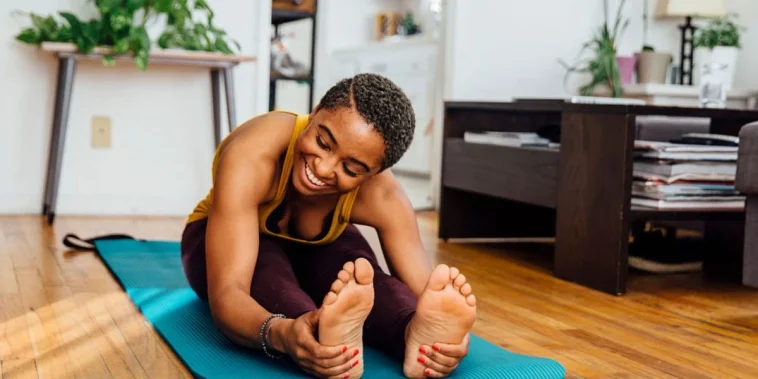
Cooling movements help regulate intensity without dropping energy levels. I transition into gentler poses that allow the breath to settle. Forward folds or seated stretches provide contrast to more active shapes. These poses encourage integration.
Cooling does not mean slowing down completely. It creates balance and prevents overstimulation. The body absorbs the benefits of the flow during this phase. Energy remains steady and calm.
Breath-Led Finishing Sequences
As the flow nears completion, breath becomes the primary focus again. I move with slower, deeper breathing to stabilize energy. Each inhale and exhale reinforces calm alertness. This phase bridges movement and stillness.
Finishing sequences help anchor the effects of the practice. They allow the nervous system to settle without losing momentum. Awareness deepens during this transition. The body feels both relaxed and awake.
Short Rest Without Sleepiness
A brief rest at the end of a morning flow supports integration. I keep it short to avoid slipping back into drowsiness. Lying down or sitting comfortably allows the body to absorb the practice. Breath remains steady and natural.
This pause offers a moment of reflection. Sensations throughout the body become more noticeable. The rest completes the flow without dulling energy. Awareness carries forward into the day.
Adapting Morning Flows to Time Limits
Morning schedules often vary, so flexibility matters. I adjust the length of the flow based on available time. Shorter versions still include warm-up, flow, and grounding. Consistency matters more than duration.
Even ten minutes can be effective when movement is intentional. Adapting flows prevents skipping practice altogether. The body responds positively to regular movement regardless of length. Morning yoga becomes sustainable through adaptability.
Supporting Energy Beyond the Mat
The effects of morning yoga extend beyond the session itself. Movement and breath influence posture, focus, and mood throughout the day. I notice increased patience and clarity after consistent practice. These benefits accumulate quietly.
Yoga also encourages mindful choices after practice. Hydration, posture, and pacing feel more intuitive. Energy remains balanced rather than spiking and crashing. Morning yoga sets a supportive rhythm.
Building a Morning Yoga Habit
Habit forms through repetition and ease. I keep the practice simple enough to repeat without resistance. Familiar flows reduce decision-making and make starting easier. Over time, the routine becomes automatic.
Consistency strengthens the relationship with the practice. Some mornings feel stronger than others, and that variation is natural. Showing up matters more than perfection. Habit transforms intention into action.
Listening to Morning Energy Levels
Morning energy fluctuates depending on sleep and stress. I adjust intensity based on how the body feels upon waking. Some days call for gentler flows, while others support more strength. Listening prevents burnout.
Honoring these signals builds trust. Yoga becomes a responsive practice rather than a rigid rule. Energy remains sustainable when the body feels respected. This approach supports long-term consistency.
Final Thoughts
Morning yoga flows offer a powerful way to start the day with energy that feels grounded and lasting. Through breath-led movement, gentle strength, and mindful transitions, the body wakes up with clarity and ease. These flows support both physical vitality and mental focus without demanding perfection. With regular practice, morning yoga becomes a steady foundation for balanced, energized days.



GIPHY App Key not set. Please check settings