
 Dominic
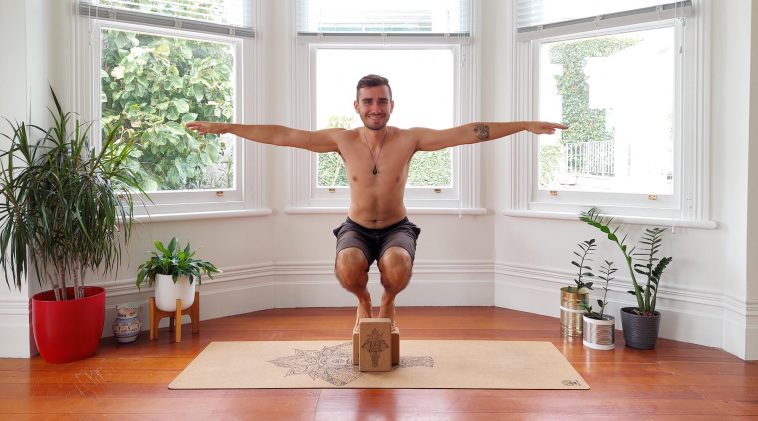
Yoga has a way of stripping things back to what matters. The longer I practice, the more obvious it becomes that progress rarely comes from adding more gear, more layers, or more complexity. What truly supports consistency is simplicity, especially when life already feels busy. Minimal yoga gear keeps practice focused, portable, and grounded in experience rather than accessories.
Walking into a yoga store or scrolling online can make it seem like a full setup is essential. Blocks, wheels, straps, bolsters, towels, sprays, bags, and outfits all promise improvement. While each item has its place, very little is truly necessary to practice well. A minimal approach removes distractions and makes it easier to return to the mat day after day.
Why Less Gear Supports Better Practice
Minimal gear encourages attention to stay on the body rather than the setup. When practice begins without arranging multiple props, movement feels more intuitive and less performative. This simplicity creates mental space, which often translates into more presence on the mat.
Fewer items also reduce friction. Practice becomes easier to start when preparation is quick and straightforward. That ease matters on low-energy days when motivation is fragile.
Minimalism also supports adaptability. Practicing with less gear makes it easier to flow between studios, home sessions, and travel. Yoga becomes something that fits into life rather than something that requires special conditions.
A Yoga Mat as the Core Essential
A yoga mat is the one item I consistently return to as essential. It defines personal space and creates a clear boundary between practice and everything else. Rolling it out signals intention in a way few other objects can.
Grip matters more than aesthetics. A mat that keeps hands and feet steady allows attention to stay on alignment and breath. Slipping pulls focus outward and creates unnecessary tension.
Comfort also plays a role. A mat with reasonable cushioning protects joints during kneeling, seated poses, and rest. While thickness preferences vary, the goal remains the same: enough support to stay present without feeling unstable.
The Role of Clothing in a Minimal Setup
Clothing often gets overlooked as gear, yet it shapes how practice feels. Minimal yoga clothing means choosing comfort and freedom of movement over style or trends. The fewer adjustments needed mid-practice, the more focused the session becomes.
Clothes that stay in place reduce distraction. Pulling at waistbands or sleeves interrupts flow and concentration. Simple, well-fitting pieces support consistency more than elaborate outfits.
Breathable fabrics also matter. Overheating or feeling restricted pulls attention away from movement. Minimal clothing supports awareness rather than demanding it.
Using the Floor as a Natural Prop
One of the most overlooked tools in yoga is the floor itself. It offers feedback, resistance, and support without needing extra equipment. Learning to work with the floor builds awareness and strength naturally.
Hands pressing into the ground create stability in standing and balancing poses. The floor supports seated and reclined poses with simplicity. This direct connection reinforces grounding and presence.
Relying on the floor encourages creativity. Adjustments become intuitive rather than prescribed. This adaptability strengthens confidence and self-trust in practice.
When a Single Prop Makes Sense
While minimal gear is the goal, one well-chosen prop can add versatility without clutter. For many practitioners, a single block or strap can serve multiple purposes. The key is choosing one item that meets frequent needs.
A block can support balance, alignment, and comfort in seated poses. It adapts easily to different heights and positions. This versatility makes it a strong candidate for minimal setups.
A strap offers reach and control in stretches. It supports flexibility work without forcing depth. Having just one prop keeps practice adaptable while maintaining simplicity.
Practicing Without Specialized Accessories
Specialized accessories often promise faster progress, yet they are rarely necessary. Wheels, sliders, and balance tools can add variety, but they also add complexity. Progress does not depend on novelty.
Practicing without these items builds body awareness. Strength, balance, and flexibility develop through consistent movement rather than equipment. The body learns to stabilize itself without external aids.
Removing extra tools also reduces comparison. Practice becomes personal rather than performative. This inward focus supports long-term growth.
Minimal Gear and Consistency
Consistency thrives when practice feels accessible. Minimal gear lowers the barrier to entry, especially on busy days. Rolling out a mat and moving for a few minutes feels manageable.
Complex setups often lead to skipped sessions. If practice requires too much preparation, it becomes easy to postpone. Minimal gear removes that excuse.
Consistency builds familiarity. Repeating movements on the same surface creates subtle improvements over time. These small gains accumulate through regular practice.
Travel-Friendly Practice With Less Gear
Travel often disrupts routine, but minimal gear makes yoga portable. A lightweight mat or even practicing without one keeps movement possible anywhere. This flexibility maintains rhythm during change.
Practicing with minimal gear encourages adaptability. Hotel rooms, parks, and small spaces become viable practice areas. Yoga shifts from a location-based activity to a personal ritual.
Travel-friendly practice also builds resilience. The ability to move without ideal conditions strengthens commitment. Minimal gear supports that independence.
The Mental Shift Toward Simplicity
Minimal gear is as much a mental shift as a physical one. Letting go of excess challenges the idea that improvement comes from accumulation. Instead, growth comes from attention and repetition.
This shift reduces pressure. Practice becomes about showing up rather than optimizing equipment. That mindset supports patience and self-compassion.
Simplicity also clarifies priorities. Time and energy get invested in movement and breath rather than preparation. The practice feels cleaner and more intentional.
Avoiding Gear Dependency
Relying heavily on gear can create subtle dependency. Certain poses may start to feel inaccessible without props. Minimal gear encourages exploring strength and flexibility within natural limits.
This does not mean avoiding support entirely. It means using tools intentionally rather than automatically. Awareness replaces habit.
Reducing dependency builds confidence. Trust grows as the body learns to adapt. That trust carries into both practice and daily movement.
Minimal Gear for Home Practice
Home practice thrives on simplicity. Limited space and time benefit from minimal setup. A mat and comfortable clothing often suffice.
Without studio cues or elaborate props, home practice becomes intuitive. Movement flows based on sensation rather than instruction. This fosters a deeper connection to the body.
Minimal gear also keeps home spaces uncluttered. When yoga does not require rearranging the room, it becomes easier to practice regularly.
Minimal Gear in Studio Settings
Studio environments often provide props, which makes owning less gear practical. Bringing only a mat simplifies transitions between classes. This ease supports consistency.
Using studio props selectively reinforces intentional use. Choosing when and why to use support builds awareness. Minimal personal gear complements this approach.
Carrying less also reduces physical load. Commuting to class feels easier without extra items. This convenience removes small barriers to attendance.
Cost Savings and Value
Minimal gear saves money without sacrificing quality. Investing in one reliable mat often costs less than accumulating multiple accessories. Value comes from use rather than quantity.
Avoiding impulse purchases reduces clutter. Each item kept serves a clear purpose. This intentional approach supports mindful consumption.
Cost savings also reduce pressure. Practice feels accessible rather than tied to expensive equipment. Yoga remains inclusive and adaptable.
Environmental Benefits of Minimal Gear
Less gear means fewer materials and less waste. Choosing minimal equipment aligns with values of mindfulness and sustainability. This alignment reinforces the philosophy behind practice.
A single durable mat used for years creates less environmental impact than frequent replacements. Caring for fewer items extends their lifespan. Responsibility becomes part of practice.
Environmental awareness also influences mindset. Practice becomes an act of care beyond the self. Minimal gear supports that broader perspective.
Listening to the Body Without Props
Minimal gear sharpens bodily awareness. Without props, sensations become clearer. The body communicates limits and possibilities more directly.
This clarity encourages mindful adjustment. Movements adapt based on feedback rather than instructions. Awareness deepens through experience.
Listening in this way reduces the urge to push. Practice becomes responsive rather than forceful. Minimal gear supports that sensitivity.
Strengthening Foundational Skills
Foundational skills develop best without excess support. Balance, stability, and coordination improve through repetition and attention. Minimal gear encourages this process.
Using fewer props challenges muscles to engage naturally. Strength builds through functional movement rather than assisted positions. This supports long-term resilience.
Foundational strength also protects against injury. The body learns to support itself. Minimal gear fosters that independence.
Flexibility Through Patience Rather Than Tools
Flexibility does not require elaborate equipment. It develops through consistent, mindful stretching. Minimal gear encourages patience rather than shortcuts.
Stretching without props highlights subtle progress. Changes become noticeable through sensation rather than depth. This reinforces trust in the process.
Patience reduces injury risk. Without tools pushing range, flexibility grows within safe limits. Minimal gear supports sustainable progress.
Mental Clarity From Simpler Practice
A simpler setup often leads to clearer focus. Without managing equipment, attention turns inward. This mental clarity enhances the meditative aspect of yoga.
Practice becomes less about performance. Movement flows naturally without external reference points. This inward orientation supports presence.
Mental clarity also reduces comparison. With minimal gear, practice feels personal. That privacy nurtures authenticity.
Letting Practice Evolve Naturally
Minimal gear allows practice to evolve organically. Needs change over time, and simplicity leaves room for adaptation. Gear can be added later if truly necessary.
Starting simple avoids overwhelm. Growth unfolds at a natural pace. This mirrors the principles of yoga itself.
Allowing evolution prevents stagnation. Practice responds to life rather than resisting it. Minimal gear supports that flexibility.
Reframing Progress Without Equipment
Progress often gets measured through shapes or tools. Minimal practice reframes progress as awareness and consistency. This shift changes motivation.
Noticing improved breath control or balance becomes meaningful. These subtle changes often matter more than advanced poses. Minimal gear highlights them.
This reframing supports long-term commitment. Progress feels accessible rather than distant. Practice remains rewarding.
Building Confidence Through Simplicity
Confidence grows when practice feels manageable. Minimal gear removes intimidation. Showing up becomes easier.
Each session reinforces capability. Movement feels self-directed rather than dependent. This autonomy builds trust.
Confidence also reduces comparison. Practice becomes about personal experience. Minimal gear supports that focus.
Final Thoughts
Minimal yoga gear supports practice by removing distractions and lowering barriers. A mat, comfortable clothing, and perhaps one versatile prop are often enough. This simplicity encourages consistency, awareness, and adaptability.
Less gear shifts focus toward experience rather than setup. Movement becomes intuitive and grounded. Practice fits more easily into daily life.
Ultimately, yoga thrives on presence, not possessions. Minimal gear creates space for that presence to grow. With simplicity, practice remains accessible, sustainable, and deeply personal.

GIPHY App Key not set. Please check settings