


 Dominic
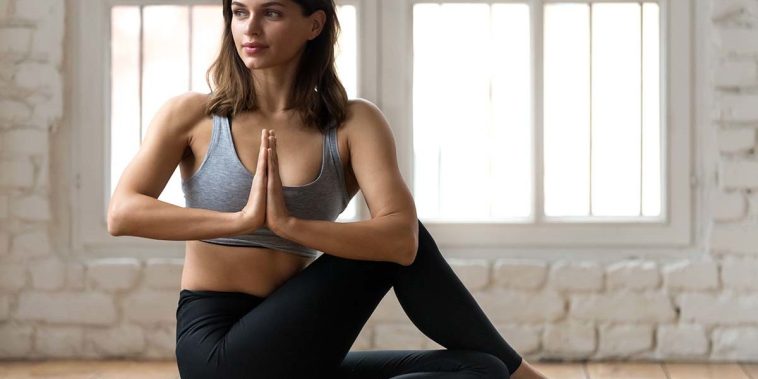
Joint health shapes how comfortably I move through daily life and how sustainable my yoga practice feels over time. Smooth, pain-free motion depends on more than strong muscles or flexible tissues. Joints rely on balanced movement, circulation, and nervous system input to stay resilient. Yoga supports all of these elements at once, which is why it has become a steady ally for maintaining mobility without grinding the body down.
Mobility is not about forcing range of motion. It is about access, control, and ease across the joints that carry the body through thousands of small actions each day. Yoga creates conditions where joints are invited to move in varied, mindful ways. That invitation supports longevity, reduces stiffness, and builds confidence in movement rather than fear of it.
Joints as Living Systems
Joints are not static hinges. They are living systems made of cartilage, synovial fluid, ligaments, tendons, and surrounding muscles, all responding to how they are used. Movement is essential because cartilage does not have a direct blood supply. It depends on gentle compression and release to receive nutrients and stay healthy.
Yoga encourages this nourishment through controlled motion. Poses guide joints through safe ranges while coordinating breath and awareness. This rhythm supports fluid exchange inside the joint capsule, which helps maintain smooth movement.
Stillness alone does not protect joints, and aggressive loading can wear them down. Yoga sits in the middle, offering enough stimulus to keep joints alive without overwhelming them.
Mobility Versus Flexibility
Flexibility often gets more attention than mobility, but they are not the same thing. Flexibility refers to how far a tissue can stretch, while mobility includes strength and control through that range. Joints thrive when mobility is prioritized over passive flexibility.
Yoga supports mobility by combining lengthening with engagement. A pose may open the hips or shoulders, but it also asks surrounding muscles to stabilize and guide the movement. This balance protects the joint rather than leaving it vulnerable.
Over time, this approach creates usable range of motion. Movement feels reliable instead of precarious, which encourages confidence rather than hesitation.
Synovial Fluid and Gentle Load
Synovial fluid acts as lubrication for many joints. Its circulation depends on movement, particularly gentle load and release. Long periods of inactivity reduce this circulation, leading to stiffness and discomfort.
Yoga sequences naturally pump synovial fluid through joints. Transitions between poses create subtle changes in pressure that support lubrication. Even slow practices provide enough variation to keep joints nourished.
This process is especially noticeable in the spine, hips, and knees. After consistent practice, movement feels smoother and less resistant, even during non-yoga activities.
The Role of Alignment in Joint Health
Alignment matters for joint health, but not in a rigid or aesthetic sense. Functional alignment distributes forces evenly across a joint. When load is balanced, wear and tear decrease.
Yoga emphasizes awareness of alignment through sensation rather than rules alone. Feeling where weight sits in the feet, how the knees track, or how the shoulders stack informs safer movement. This awareness carries into everyday actions.
Over time, better alignment reduces unnecessary strain. Joints no longer compensate for habitual imbalances, which supports long-term mobility.
Strength Around the Joints
Joints depend on surrounding muscles for stability. Weakness or imbalance can lead to excess stress on joint surfaces. Yoga builds strength in a joint-friendly way by using body weight and controlled engagement.
Poses such as lunges, planks, and balances strengthen stabilizing muscles without abrupt impact. The slow pace allows for mindful recruitment rather than momentum. This kind of strength protects joints during both practice and daily movement.
Balanced strength also improves coordination. When muscles work together efficiently, joints move more smoothly and with less friction.
Yoga and Range of Motion Control
Expanding range of motion without control can be risky. Yoga addresses this by encouraging movement that is both expansive and contained. Each pose asks for attention to how far to go, not just how far one can go.
This self-regulation is key for joint health. The nervous system learns safe boundaries through sensation and breath. Over time, those boundaries may naturally widen, but they remain supported.
This process builds trust. Movement becomes exploratory rather than forced, which supports consistent practice without fear of injury.
The Spine as a Central Axis
The spine houses numerous joints that influence overall mobility. Healthy spinal movement supports the neck, shoulders, hips, and even knees. Yoga places strong emphasis on spinal articulation.
Forward folds, backbends, twists, and lateral movements create varied input for spinal joints. This diversity keeps tissues hydrated and responsive. It also supports posture by balancing flexion and extension.
Regular spinal movement reduces stiffness that often accumulates from sitting. It restores a sense of ease that affects the entire body.
Hips and Pelvic Mobility
Hip joints bear significant load and influence gait, posture, and lower back comfort. Limited hip mobility often shifts stress to the knees or spine. Yoga addresses hip health through multi-directional movement.
Poses explore flexion, extension, rotation, and abduction in a controlled environment. This variety keeps the hip joint adaptable. Supporting muscles learn to stabilize without gripping.
As hip mobility improves, movement throughout the body feels more coordinated. Daily actions like walking or standing up become smoother and less effortful.
Knee Health Through Balanced Movement
Knees are designed primarily for flexion and extension, with some rotational capacity when flexed. Problems arise when surrounding joints do not share load effectively. Yoga helps distribute forces more evenly.
Strengthening the quadriceps, hamstrings, and glutes supports knee stability. Gentle stretching reduces excessive tension that can pull the joint out of alignment. Attention to foot placement also influences knee tracking.
Yoga encourages awareness rather than forcing depth in knee-bending poses. This respect supports longevity and confidence in movement.
Shoulder Joints and Stability
Shoulders prioritize mobility over stability, which makes them vulnerable when movement is unbalanced. Yoga supports shoulder health by strengthening stabilizers while maintaining range of motion.
Weight-bearing poses encourage joint compression that supports stability. Gentle openers maintain flexibility without overstretching ligaments. The balance between these elements keeps shoulders responsive rather than fragile.
Mindful transitions protect shoulders from sudden strain. Over time, this approach reduces common discomfort associated with repetitive tasks or poor posture.
Wrists, Ankles, and Smaller Joints
Smaller joints often get overlooked, yet they play a crucial role in overall mobility. Wrists and ankles absorb and transfer forces during daily activities. Yoga gives them attention through varied positions and weight-bearing.
Gradual loading strengthens supportive tissues. Circles and gentle stretches maintain range without forcing. This care reduces stiffness and improves confidence in weight transfer.
Healthy smaller joints support larger movement patterns. Stability and mobility at the edges of the body influence balance and coordination throughout.
Breath and Joint Health
Breath influences joint health indirectly through the nervous system. Shallow or stressed breathing increases muscle tension, which can restrict joint movement. Yoga’s emphasis on breath supports relaxation and coordination.
Breath-led movement creates rhythm. Inhalations and exhalations guide transitions, preventing abrupt force. This rhythm protects joints by smoothing effort.
Over time, breath awareness reduces unconscious bracing. Joints move with less resistance, supporting comfort and longevity.
Fascia and Joint Mobility
Fascia connects muscles, joints, and organs into an integrated system. Restricted fascia can limit joint mobility even when muscles appear flexible. Yoga addresses fascial health through sustained holds and varied movement.
Gentle tension applied over time encourages hydration and elasticity. This supports joint freedom without aggressive stretching. Movement feels more fluid as fascial layers glide more easily.
Consistent practice prevents the buildup of fascial stiffness associated with repetitive patterns. This adaptability supports joint health across different activities.
Nervous System Safety and Movement Quality
Joint mobility improves when the nervous system feels safe. Stress and fear trigger protective tension that limits movement. Yoga creates an environment of safety through controlled pace and mindful attention.
As safety increases, the nervous system allows greater range. This permission is as important as physical capacity. Without it, joints remain guarded.
Yoga’s emphasis on internal cues builds this trust gradually. Movement quality improves because it is supported from within rather than forced from the outside.
Adaptability Across Life Stages
Joint needs change with age, activity level, and health status. Yoga adapts easily to these changes. Poses can be modified, supported, or shortened without losing their benefit.
This adaptability supports lifelong joint health. Practice evolves rather than ending when circumstances change. Mobility is maintained through responsiveness rather than rigidity.
Yoga encourages listening to current capacity. That listening preserves joints by preventing unnecessary strain.
Consistency Over Intensity
Joint health benefits most from consistent, moderate movement rather than occasional extremes. Yoga supports this consistency by offering scalable intensity. Sessions can be gentle or challenging while maintaining joint awareness.
Regular practice keeps joints nourished and responsive. Breaks from movement often lead to stiffness that takes time to resolve. Yoga reduces this cycle by making movement accessible.
Consistency builds cumulative benefits. Small, repeated inputs support long-term mobility more effectively than sporadic effort.
Movement Variety and Joint Longevity
Repetitive movement patterns can wear joints unevenly. Yoga counters this by offering movement in multiple planes. This variety distributes load and prevents overuse.
Sequences often include flexion, extension, rotation, and lateral movement. Joints receive comprehensive stimulation. This balance supports resilience.
Variety also keeps practice engaging. Enjoyment supports adherence, which is essential for joint health over time.
Integrating Yoga With Daily Movement
Yoga influences how movement happens off the mat. Awareness developed in practice carries into walking, lifting, and sitting. Joints benefit from improved habits throughout the day.
Simple cues like stacking joints or softening unnecessary tension reduce cumulative stress. These changes protect joints during routine activities. Yoga becomes a foundation rather than an isolated practice.
Integration supports sustainability. Joint health improves because movement quality improves everywhere, not just during class.
Final Thoughts
Yoga supports joint health and mobility by honoring how joints are designed to move and adapt. Through gentle load, mindful alignment, and nervous system regulation, joints receive nourishment rather than stress. This approach builds usable mobility that feels reliable and safe.
Consistent practice keeps joints hydrated, supported, and responsive. Strength and flexibility develop together, protecting joint surfaces over time. Awareness guides movement choices that reduce strain.
A sustainable relationship with movement depends on joint health. Yoga offers a balanced, adaptable path that supports mobility across changing seasons of life.



GIPHY App Key not set. Please check settings