
 Dominic
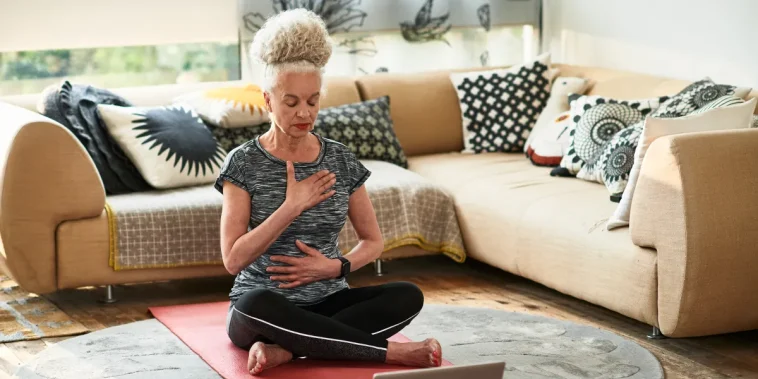
Stress and anxiety often show up quietly, long before they feel overwhelming. The breath is usually the first place they land, tightening without permission and speeding up without warning. In my practice, I have noticed that even on calm days, the breath can reveal tension I did not realize I was carrying. Paying attention to it has become one of the most reliable ways I know to settle the nervous system and reconnect with a sense of steadiness.
Breathwork does not require complicated techniques or perfect conditions. It asks for presence, patience, and a willingness to listen. Through consistent attention to breathing patterns, stress begins to lose its grip, not because it disappears, but because it no longer controls the body’s response. Over time, this relationship with breath creates a foundation of calm that extends well beyond the mat.
The Relationship Between Breath and the Nervous System
Breathing is directly tied to the nervous system in a way few other functions are. Fast, shallow breaths tend to activate a state of alertness, while slower, fuller breaths signal safety. This connection explains why anxiety often feels physical before it becomes mental. The body reacts first, and the mind follows closely behind.
I have found that simply noticing how the breath behaves during stressful moments can be incredibly revealing. Tightness in the chest or shortened exhales often appear before anxious thoughts fully form. Addressing the breath early can interrupt that cycle. By slowing and softening it, the nervous system receives a clear message that it is safe to relax.
Noticing Stress in the Breath
Stress leaves fingerprints on the breath that are easy to overlook. The inhale may become sharp, the exhale rushed, or pauses may appear where none are needed. These patterns often feel normal because they mirror everyday habits shaped by busy schedules and constant stimulation. Without awareness, they quietly reinforce anxiety.
During practice, I take time to observe these patterns without trying to correct them right away. Observation creates space between sensation and reaction. That space makes it easier to respond with intention rather than habit. Over time, the breath begins to soften naturally when it feels seen rather than forced.
Slowing the Exhale to Calm the Mind
The exhale plays a powerful role in relaxation. Lengthening it gently encourages the body to release tension and shift toward rest. This simple adjustment can have a noticeable effect on racing thoughts and physical restlessness. The body responds quickly when given permission to let go.
I often focus on allowing the exhale to empty fully without strain. This creates a sense of completion at the end of each breath. The pause that follows feels grounding rather than empty. With practice, this rhythm becomes familiar and reassuring, even during moments of heightened stress.
Using Breath to Anchor Attention
Anxiety thrives on mental drift, often pulling attention into imagined futures or unresolved pasts. The breath offers a steady anchor that always exists in the present moment. Returning attention to it interrupts mental loops and brings awareness back into the body. This shift alone can reduce the intensity of anxious thoughts.
I rely on the sensation of breath moving through the nose or chest as a point of focus. Sensation feels more grounding than counting or visualizing. Each inhale and exhale becomes a reminder of where I am right now. This simple anchoring builds resilience over time.
Gentle Nasal Breathing for Stability
Breathing through the nose supports calm and balance in subtle ways. It naturally slows airflow and encourages fuller breaths. Nasal breathing also creates a slight resistance that helps regulate the nervous system. This makes it especially helpful during stressful periods.
I notice that when I return to nasal breathing, my shoulders soften and my jaw relaxes. The breath feels contained and steady rather than scattered. Over time, this becomes a default pattern that carries into daily life. That consistency makes stressful situations feel more manageable.
Expanding the Ribcage for Emotional Release
Stress often restricts movement in the ribs, limiting the breath’s natural expansion. This restriction can create a feeling of being trapped or compressed. Allowing the ribs to move freely supports emotional release and physical comfort. It also deepens the breath without forcing it.
I place awareness on the sides of the body during breathing, noticing how the ribs respond. Each inhale creates gentle expansion, while each exhale allows the ribs to soften inward. This movement feels nourishing rather than effortful. Over time, it restores a sense of spaciousness in the chest.
Letting the Belly Soften
Holding tension in the belly is common during anxiety, often without conscious awareness. This tension restricts breathing and signals vigilance to the nervous system. Allowing the belly to soften creates a sense of safety and grounding. It can feel vulnerable at first, yet deeply calming.
I remind myself that softness does not equal weakness. When the belly relaxes, the breath naturally deepens and slows. This change sends a powerful message to the body that it no longer needs to brace. That message ripples outward, affecting posture, mood, and focus.
Matching Breath to Movement
Movement paired with breath can ease anxiety more effectively than stillness alone. Coordinating inhalations and exhalations with gentle motion creates rhythm and continuity. This combination keeps attention anchored while allowing excess energy to move through the body. It feels supportive rather than overwhelming.
In my practice, slow transitions guided by breath feel especially calming. Each movement has a clear beginning and end, marked by the breath. This structure provides reassurance during moments of mental noise. Over time, the body learns to associate movement with ease rather than urgency.
Using Pauses Without Forcing Stillness
Natural pauses appear at the end of inhalations and exhalations. These moments of stillness can feel soothing when approached gently. Forcing them, however, can create tension and discomfort. The key lies in allowing pauses to arise naturally.
I pay attention to the space after the exhale in particular. When it feels comfortable, I rest there briefly without holding or pushing. This pause often brings a sense of quiet that words cannot describe. With repetition, it becomes a refuge during anxious moments.
Breathwork During Restorative Poses
Restorative postures provide an ideal environment for breathwork focused on stress relief. The body is supported, allowing muscles to release without effort. In this state, the breath can deepen and slow with ease. This combination creates a powerful signal of safety.
I use restorative poses as an opportunity to listen closely to the breath. Without the distraction of movement, subtle patterns become clearer. Adjusting the breath gently within this stillness often leads to profound relaxation. The effects linger long after the pose ends.
Practicing Consistency Over Intensity
Consistency matters more than intensity in breathwork. Short, regular sessions build familiarity and trust with the breath. Long or forceful sessions may feel productive but can create resistance over time. Sustainable change grows from steady attention.
I commit to brief moments of breath awareness throughout the day rather than occasional long practices. This approach integrates breathwork into daily life. Stress becomes easier to manage because support is always close at hand. Over time, calm feels less like a special state and more like a baseline.
Recognizing Emotional Shifts Through Breath
Emotions influence the breath just as much as the breath influences emotions. Anxiety may shorten the inhale, while sadness may deepen the exhale. Noticing these shifts provides insight without analysis. The breath reflects emotional states honestly and without judgment.
I use this awareness as a form of emotional check-in. When the breath feels tight or uneven, I pause and offer it attention. This response feels kinder than trying to think my way out of stress. Over time, emotional awareness becomes more intuitive and less reactive.
Bringing Breathwork Into Daily Moments
Breathwork does not belong only on the mat. Stress often appears during ordinary activities like commuting, working, or waiting. These moments offer opportunities to reconnect with the breath. Small adjustments can make a meaningful difference.
I practice softening the exhale while standing in line or sitting at a desk. These moments remind the body that calm is available anywhere. Over time, this habit reduces the buildup of stress throughout the day. Breathwork becomes woven into daily life rather than set apart from it.
Trusting the Breath as a Guide
Trust develops gradually through consistent practice. The breath begins to guide awareness rather than needing constant direction. This relationship feels supportive and intuitive. Stress loses its urgency when the breath becomes a reliable companion.
I allow the breath to lead during moments of uncertainty. Listening to its rhythm provides clarity when the mind feels scattered. This trust deepens with time and patience. The breath becomes both anchor and teacher.
Final Thoughts
Breathwork offers a simple yet powerful way to reduce stress and anxiety by working directly with the body’s natural rhythms. Through steady attention and gentle guidance, the breath becomes a bridge between tension and ease. This practice does not eliminate challenges, but it changes how they are experienced. By returning to the breath again and again, calm becomes more accessible, resilient, and real.


GIPHY App Key not set. Please check settings