
 Dominic
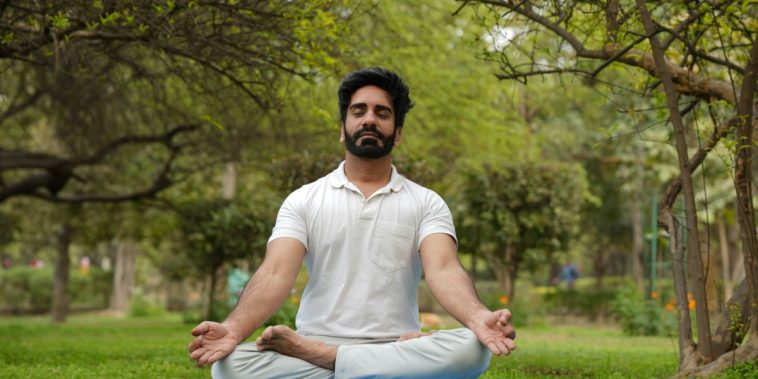
Breath sets the tone for every yoga practice, whether movement is slow and steady or dynamic and strong. Syncing breath with yoga poses transforms physical shapes into a continuous, connected experience rather than a series of isolated actions. The moment breath and movement align, the practice feels more intentional, grounded, and mentally clear.
In yoga, breath is not an accessory to movement but an active guide. Each inhale and exhale provides rhythm, direction, and feedback from the body. Over time, syncing breath with yoga poses reshapes how the body moves, how the mind focuses, and how effort is distributed across the practice.
Why Breath and Movement Belong Together
Yoga was never meant to be practiced as silent stretching. Breath creates the internal rhythm that supports safe and mindful movement. When breath leads, poses feel less forced and more organic.
I notice that syncing breath with movement helps me sense my limits more accurately. If breathing becomes strained, it usually signals that the body needs less effort or more support. This constant feedback loop makes practice responsive rather than rigid.
Breath as a Timing Tool
Breath naturally organizes the pace of movement. Inhaling and exhaling provide built-in pauses that prevent rushing through poses. Each breath cycle creates space to move with awareness instead of momentum.
Using breath as a timing tool also improves consistency. Movements become smoother and transitions more controlled. Over time, this rhythm reduces unnecessary tension and supports better balance and coordination.
Inhale and Expansion in Poses
Inhales generally support expansion, lift, and length. When moving into poses that open the chest or lengthen the spine, breathing in encourages ease rather than strain. This relationship feels intuitive once attention shifts inward.
I often pair inhalation with movements that create space, such as lifting the arms or extending the spine. This pairing allows the body to open gradually without forcing range of motion. Breath becomes a supportive partner rather than something to manage separately.
Exhale and Stability in Poses
Exhalations support grounding, stability, and release. When settling into deeper shapes or engaging strength, breathing out helps the body feel anchored. This sense of grounding reduces excess effort and promotes steadiness.
During challenging poses, long exhalations help soften resistance. Muscles engage more efficiently when the breath flows freely. Over time, this approach builds strength without creating unnecessary tension.
Coordinating Breath With Transitions
Transitions are where breath coordination becomes most noticeable. Moving between poses without breath awareness often feels rushed or disjointed. Syncing breath with transitions creates continuity and flow.
I rely on breath to guide how quickly or slowly I move. An inhale might initiate a lift, while an exhale supports lowering or folding. This coordination turns transitions into meaningful parts of the practice rather than moments to rush through.
Maintaining Breath Awareness in Static Poses
Holding poses for several breaths requires sustained attention. Breath becomes the anchor that keeps awareness present in the body. Without this focus, the mind tends to drift or disengage.
In static poses, I track the quality of each breath rather than its length. Smooth, steady breathing suggests balanced effort. Shallow or rushed breathing signals that adjustment is needed.
Using Breath to Regulate Effort
Effort in yoga should feel purposeful rather than strained. Breath provides a reliable way to regulate how much energy is applied in each pose. When breath flows smoothly, effort tends to be appropriate.
If breathing becomes labored, it often means the body is working beyond its current capacity. Adjusting the pose to restore steady breathing brings the practice back into balance. This approach encourages long-term progress without burnout.
Breath and Alignment Awareness
Alignment is easier to sense when breath and movement are connected. Breathing draws attention inward, making subtle shifts more noticeable. This awareness supports safer and more effective positioning.
I notice alignment issues more quickly when breath feels uneven. A collapsed chest or overworked shoulder often shows up in restricted breathing. Breath acts as an internal alignment cue that guides small but meaningful adjustments.
Syncing Breath in Standing Poses
Standing poses benefit greatly from breath awareness. These poses require both strength and balance, which are supported by steady breathing. Breath prevents rigidity and promotes fluid engagement.
In standing poses, I focus on grounding exhales and expansive inhales. This balance supports stability while maintaining openness. Over time, standing sequences feel less exhausting and more sustainable.
Breath Coordination in Forward Folds
Forward folds encourage introspection and release. Exhalation naturally supports folding and softening. Syncing breath with these movements prevents forcing depth.
Each exhale invites the body to ease further into the fold without strain. Inhales create subtle length even while folded. This balance protects the spine and enhances the calming effect of these poses.
Breath in Backbends and Heart Openers
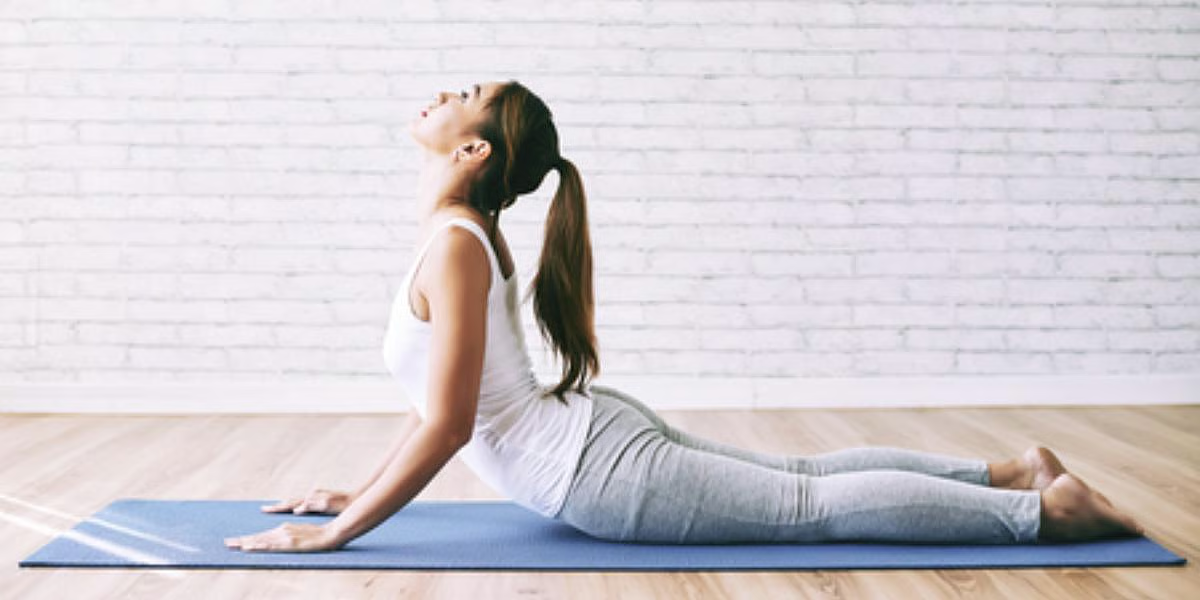
Backbends require careful breath coordination to remain safe and accessible. Inhalation supports the opening of the chest and front body. Without steady breathing, these poses can feel compressed or overwhelming.
I focus on smooth, controlled breaths to distribute sensation evenly. Exhalations prevent holding tension in the lower back or neck. This approach allows backbends to feel expansive rather than aggressive.
Managing Breath in Twists
Twists benefit from a gentle relationship with breath. Inhales create length through the spine, while exhales support rotation. This pattern protects spinal integrity and deepens the pose gradually.
Forcing a twist without breath awareness often leads to strain. Breath guides the pace and depth of rotation. Over time, twists feel more nourishing and less demanding.
Breath Awareness in Balancing Poses
Balance improves when breath remains steady and calm. Irregular breathing often destabilizes posture. Breath acts as an internal stabilizer that supports focus and coordination.
In balancing poses, I keep attention on slow, even breaths. This focus reduces mental chatter and improves physical steadiness. The pose becomes less about control and more about presence.
Syncing Breath in Flow Sequences
Flow sequences highlight the importance of breath coordination. Each movement aligns with either an inhale or exhale, creating a seamless experience. Breath becomes the thread that connects each pose.
In flowing sequences, breath prevents rushing and supports endurance. Movements feel intentional rather than automatic. Over time, flow becomes meditative rather than physically exhausting.
Adapting Breath for Different Styles of Yoga
Different yoga styles emphasize breath in unique ways. Slower practices allow for extended breathing, while faster flows require efficient breath control. Adapting breath to the pace of practice supports comfort and focus.
I adjust breathing patterns depending on intensity. Stronger sequences benefit from steady, controlled breaths, while restorative practices encourage softer rhythms. This adaptability keeps breath supportive rather than restrictive.
Overcoming Breath Disruptions
Disrupted breathing often arises during challenging moments. Rather than forcing control, I bring awareness to the disruption itself. This awareness creates space to soften effort or modify the pose.
Acknowledging breath patterns without judgment helps restore rhythm. Over time, disruptions become learning moments rather than obstacles. Breath awareness builds resilience within the practice.
Integrating Breath Off the Mat
Syncing breath with movement on the mat influences daily life. Activities like walking, lifting, or even sitting benefit from coordinated breathing. This awareness supports better posture and reduced tension.
I notice improved focus during everyday tasks when breath remains steady. The practice extends beyond yoga into how the body moves throughout the day. Breath becomes a constant guide for mindful movement.
Breath as a Path to Consistency
Consistency in yoga practice depends on sustainability. Breath-centered movement feels more accessible over time. This approach reduces injury risk and supports long-term engagement.
Rather than pushing through discomfort, breath encourages listening. This relationship fosters trust between body and mind. Consistency grows naturally when practice feels supportive rather than demanding.
Final Thoughts
Syncing breath with yoga poses transforms practice from physical exercise into mindful movement. Breath guides timing, regulates effort, and deepens awareness in every pose. Through consistent attention to breathing, yoga becomes more fluid, balanced, and sustainable.
I continue to return to breath as the most reliable teacher in my practice. It offers immediate feedback and constant support. By honoring breath in every pose, yoga reveals its full depth and purpose.


GIPHY App Key not set. Please check settings