

 Dominic
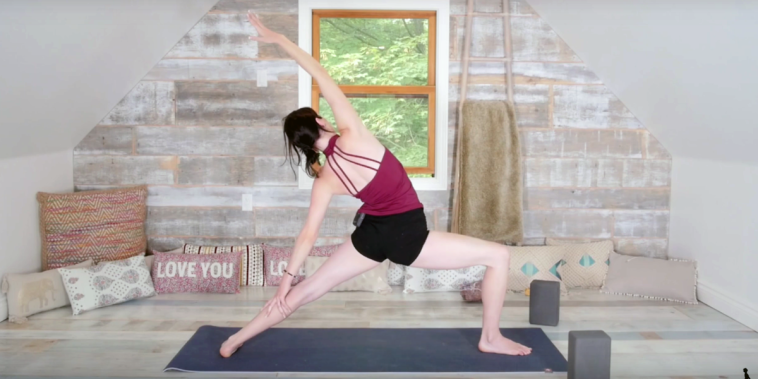
Practicing yoga without a teacher can feel empowering and intimidating at the same time. Stepping onto the mat alone places responsibility squarely in my own hands, which has taught me to move with more care, patience, and awareness. Safety becomes less about external correction and more about internal listening. With the right mindset and structure, solo practice can be both effective and supportive.
Setting Clear Intentions Before You Begin
A safe yoga practice starts before any movement happens. I take a moment to check in with how my body feels and what I realistically need that day. This pause shapes the entire session and prevents pushing beyond healthy limits. Clear intention acts like a compass, keeping the practice grounded.
Intentions also help regulate expectations. Some days call for gentle movement, while others allow for more strength or flow. Accepting this variability reduces the urge to force progress. Safety improves when intention replaces ambition.
Choosing a Suitable Practice Space
The environment plays a big role in safety during solo practice. I make sure the space allows free movement without obstacles or distractions. A clear area prevents accidental strain or loss of balance. Comfort and simplicity matter more than aesthetics.
Lighting and temperature also influence awareness. A space that feels calm encourages slower, more mindful movement. This atmosphere supports focus and reduces rushed transitions. Practicing in a consistent location reinforces routine and familiarity.
Listening to Physical Sensations
Without a teacher offering verbal cues, the body becomes the primary guide. I pay close attention to sensations, especially sharp pain or uneven strain. Discomfort that feels intense or sudden signals the need to ease back. Safe practice depends on respecting these messages.
Sensation awareness improves with repetition. Over time, subtle differences between effort and strain become clearer. This sensitivity prevents overextension. Trusting physical feedback creates a more sustainable practice.
Respecting Your Current Ability
Practicing safely means honoring the body as it is today, not as I wish it were. I remind myself that flexibility, strength, and balance fluctuate. Comparing current ability to past performance increases risk. Acceptance supports safety.
Progress happens through consistency rather than force. Staying within comfortable ranges allows the body to adapt gradually. Respecting limitations does not slow growth. It creates the conditions for lasting improvement.
Warming Up Thoroughly
Warm-up is essential when practicing alone. I begin with gentle movements that increase circulation and prepare joints. This phase reduces stiffness and lowers injury risk. Skipping warm-up often leads to strain.
Simple movements like slow spinal mobility and joint rotations work well. The goal is readiness rather than exhaustion. A thoughtful warm-up sets a safe tone for the rest of the session. It signals patience and care.
Moving Slowly Between Poses
Transitions deserve as much attention as the poses themselves. I move deliberately between shapes, maintaining awareness of alignment and breath. Rushed transitions often cause misalignment or imbalance. Slowing down enhances control.
Mindful transitions also reveal weak spots or tight areas. These insights guide future practice choices. Moving slowly reduces the chance of sudden strain. It reinforces stability throughout the session.
Using Breath as a Safety Tool
Breath provides constant feedback during solo practice. I notice whether breathing remains smooth or becomes strained. Difficulty breathing often signals overexertion. Returning to steady breath restores balance.
Breath also regulates intensity. Matching movement to inhalation and exhalation prevents rushing. This rhythm supports both safety and focus. Breath becomes an internal guide when external cues are absent.
Avoiding Pain as a Measure of Progress
Pain does not equal progress in yoga. I learned that pushing into pain often leads to setbacks rather than growth. Sensation should feel engaged but manageable. Sharp or lingering pain signals a need to stop.
Distinguishing discomfort from pain takes practice. Discomfort fades with steady breathing, while pain demands immediate adjustment. Respecting this difference protects joints and muscles. Safety improves when pain is never ignored.
Modifying Poses Thoughtfully
Modifications make solo practice safer and more accessible. I adapt poses using shorter ranges of motion or simpler variations. These adjustments allow me to experience benefits without unnecessary strain. Modification reflects awareness, not limitation.
Props also support safer alignment. Blocks and straps help maintain structure and balance. Using them reduces the temptation to force depth. Thoughtful modification sustains long-term practice.
Avoiding Advanced Poses Too Soon
Advanced poses often look appealing but require preparation. I resist the urge to attempt shapes beyond my current ability. Without a teacher present, this restraint becomes even more important. Patience protects against injury.
Building strength and mobility gradually prepares the body safely. Foundational poses offer plenty of challenge when practiced mindfully. Progress unfolds naturally through consistency. Rushing only delays sustainable growth.
Paying Attention to Joint Safety
Joints require particular care during solo practice. I keep joints supported rather than locking them at full extension. Softness in elbows and knees reduces strain. Awareness of joint position enhances stability.
Repetitive stress can accumulate without notice. Varying movements and avoiding excessive repetition protects joint health. Safe practice balances challenge with rest. This balance preserves mobility over time.
Managing Fatigue Responsibly
Fatigue increases injury risk. I watch for signs like shaky balance or shortened breath. These signals indicate the need to rest or slow down. Ending a session early is sometimes the safest choice.
Resting poses restore energy and awareness. Incorporating pauses prevents overexertion. Fatigue management supports consistency. Safe practice values longevity over intensity.
Building Body Awareness Over Time
Body awareness grows through regular practice. I notice alignment cues more clearly as familiarity increases. This awareness replaces the need for constant external correction. Trust builds gradually.
Awareness also highlights patterns of tension. Recognizing these patterns guides safer sequencing. Over time, practice feels intuitive rather than uncertain. Awareness becomes the foundation of safety.
Using Reliable Resources Carefully
Guided resources can support solo practice when used thoughtfully. I choose instructions that emphasize alignment and safety rather than extreme performance. Clear, calm guidance helps reinforce good habits. Quality matters more than variety.
I avoid constantly switching styles or sources. Familiarity reduces confusion and risk. Repetition builds confidence and understanding. Reliable resources supplement rather than replace awareness.
Keeping Sessions Balanced
Balanced sessions reduce the risk of overuse. I include a mix of movement types rather than focusing on one area. Strength, mobility, and rest all play roles. Balance supports whole-body safety.
Ending sessions with gentle stretches or rest helps integrate movement. This closing phase supports recovery. Balanced practice feels complete rather than taxing. Safety improves through thoughtful structure.
Practicing Consistency Over Intensity
Consistency supports safety more than intensity. I prioritize regular, moderate sessions instead of occasional extreme efforts. The body adapts better to steady input. This approach reduces injury risk.
Consistency also builds confidence. Familiar movements feel safer and more controlled. Progress becomes predictable and stable. Safe practice thrives on repetition.
Knowing When to Stop
Knowing when to stop is a key safety skill. I listen for signals like pain, dizziness, or loss of focus. Stopping early prevents minor issues from becoming serious. Resting is part of practice.
Stopping does not mean failure. It reflects respect for the body. Safe practice values recovery. Listening deeply strengthens trust.
Integrating Awareness Beyond the Mat
Safety extends into daily movement patterns. I notice posture, breath, and tension throughout the day. This awareness reinforces habits formed during practice. Yoga influences how I move beyond the mat.
Daily awareness reduces strain during routine activities. Lifting, sitting, and walking feel more intentional. This integration supports overall well-being. Safety becomes a lifestyle rather than a session.
Final Thoughts
Practicing yoga safely without a teacher relies on awareness, patience, and respect for the body. I learned that solo practice deepens listening and responsibility rather than limiting growth. Safety emerges from consistent attention to breath, sensation, and intention. With mindful structure and self-trust, practicing yoga alone can be both empowering and sustainable.

GIPHY App Key not set. Please check settings