
 Dominic
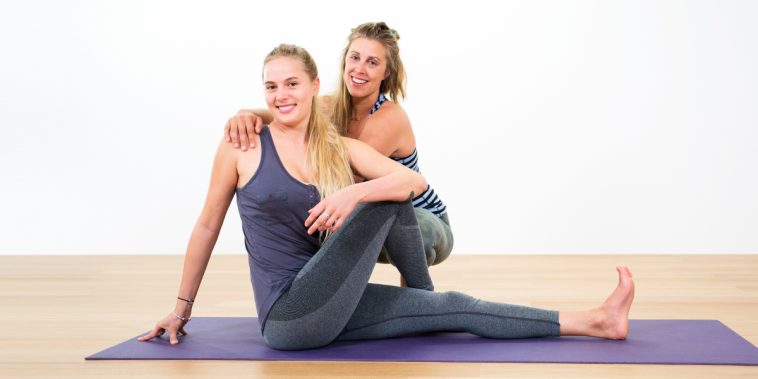
Tight muscles show up on the mat more often than many people admit. I feel it in my own body on days when long hours of sitting, stress, or poor sleep make everything feel restricted. Yoga does not require flexibility as a starting point, but it does ask for honesty about what the body can do in the moment. Modifying poses allows practice to remain supportive instead of frustrating.
Working with tight muscles has taught me that yoga is not about forcing shapes. It is about adapting shapes so the body feels safe enough to soften over time. Modifications create space for breath, awareness, and gradual change. With the right adjustments, yoga becomes accessible regardless of flexibility levels.
Why Modifications Matter for Tight Muscles
Tight muscles resist sudden or aggressive stretching. When poses are forced, the body often responds by guarding instead of releasing. I have noticed that gentle modifications invite cooperation from the muscles rather than tension. This cooperation leads to better results over time.
Modifications also reduce the risk of strain and injury. Tight areas often pull on joints, creating imbalance. Supporting the body with props or adjusted alignment helps distribute effort more evenly. Yoga becomes a tool for healing rather than another source of stress.
Listening to the Body Before Adjusting Poses
Awareness comes before modification. I pay attention to where resistance shows up and how my breath responds. Shallow breathing usually signals that a pose needs adjustment. Comfort does not mean ease, but it should never feel sharp or overwhelming.
Body awareness changes daily. A pose that feels accessible one day may feel restrictive the next. I remind myself that modifications are not permanent labels. They are moment-by-moment responses to what the body needs.
Using Props as Tools, Not Crutches
Props often carry unnecessary stigma. I once avoided them, thinking they meant weakness. Over time, I learned that props enhance alignment and relaxation. Blocks, straps, and blankets create space where tight muscles need support.
A block under the hands in standing poses reduces strain on hamstrings. A strap allows gradual opening without forcing reach. Blankets soften pressure points and improve posture. Props make poses sustainable and mindful.
Modifying Forward Folds for Tight Hamstrings
Forward folds reveal hamstring tightness quickly. Straightening the legs aggressively often leads to a rounded spine. I bend my knees generously to maintain length in the back. This shift changes the entire experience of the pose.
Elevating the hands on blocks or resting them on the thighs reduces pulling. I focus on hinging at the hips rather than reaching downward. Over time, hamstrings release more effectively with this approach.
Adjusting Downward Facing Dog for Restricted Legs and Back
Downward Facing Dog can feel intense with tight muscles. I bend my knees deeply to prioritize spinal length. Pressing the chest toward the thighs creates space without demanding straight legs.
Hands placed on blocks shorten the distance between upper and lower body. This adjustment reduces strain in the shoulders and hamstrings. The pose becomes more restful and stable.
Supporting Low Back Tightness in Standing Poses
Tight muscles in the lower back often appear in standing poses. Overarching or collapsing can increase discomfort. I focus on neutral spine alignment rather than depth. Shortening the stance improves balance and control.
Placing hands on hips or thighs provides stability. I engage the core gently to support the spine. These changes allow strength to build without aggravating tight areas.
Modifying Lunges for Tight Hip Flexors
Hip flexors tighten easily from prolonged sitting. Deep lunges can feel overwhelming without support. I lower the back knee to the mat and use padding underneath. This reduces pressure and encourages release.
Shortening the stance keeps the pelvis more stable. I focus on lifting through the torso rather than sinking deeply. Breath guides the stretch instead of force.
Adjusting Warrior Poses for Tight Hips and Legs
Warrior poses demand both strength and flexibility. Tight hips can limit range of motion. I reduce the distance between the feet to avoid strain. This allows better alignment through the pelvis.
Turning the back foot slightly inward or outward helps find comfort. I prioritize upright posture over depth. Strength develops gradually when the body feels supported.
Making Seated Poses Accessible for Tight Hips
Seated poses highlight hip tightness clearly. Sitting directly on the floor often rounds the spine. I sit on a folded blanket to elevate the hips. This simple change improves posture instantly.
Placing blocks or cushions under the knees reduces strain. I let gravity work gently rather than pushing down. Seated poses become calming instead of challenging.
Modifying Twists for Restricted Spine and Hips
Twists require mobility in the spine and hips. Tight muscles can limit rotation. I focus on length before turning. Sitting on a blanket helps maintain spinal alignment.
I keep the twist mild and breath-focused. Forcing rotation often leads to discomfort. Gentle twists offer benefits without strain.
Supporting Shoulder Tightness in Upper Body Poses
Shoulder tightness shows up in poses like Plank and Chaturanga. Lowering the knees reduces load on the shoulders. I adjust hand placement to find comfort and stability.
Using blocks under the hands in Plank changes the angle and reduces strain. I keep elbows slightly bent to avoid locking joints. These modifications protect the shoulders while building strength.
Adapting Backbends for Tight Front Body Muscles
Backbends feel intense with tight hip flexors and chest muscles. I start with gentle versions using props. A block under the sacrum in Bridge Pose provides support. This allows the body to open gradually.
I focus on length rather than height. Engaging the core prevents compression in the lower back. Backbends become accessible when depth is secondary to control.
Modifying Balance Poses for Tight Ankles and Hips
Balance poses challenge tight muscles quickly. I use the wall or a chair for support. This removes fear of falling and allows focus on alignment.
Placing the lifted foot lower on the leg reduces strain. I maintain steady breath and gaze. Balance improves when tight muscles feel safe.
Using the Breath to Support Tight Muscles
Breath plays a key role in modification. I notice that tight muscles soften on exhalation. Slow breathing signals relaxation to the nervous system. This response supports flexibility naturally.
Holding the breath increases tension. I keep breathing steady even when poses feel challenging. Breath becomes a guide for how far to go.
Avoiding Common Mistakes With Modifications
One common mistake is rushing progress. Tight muscles need time and consistency. I remind myself that yoga is not a race. Depth will come when the body is ready.
Another mistake is ignoring discomfort signals. Pain indicates the need for adjustment. Modifications should create ease, not push through resistance.
Building Strength Alongside Flexibility
Flexibility alone does not resolve tightness. Strength supports joints and improves posture. I engage muscles gently even in modified poses. This balance prevents overstretching.
Strength builds confidence and stability. Modified poses still challenge the body appropriately. Over time, strength allows greater range of motion safely.
Creating a Sustainable Practice With Tight Muscles
Consistency matters more than intensity. Short, mindful sessions yield better results than occasional forceful practice. I choose modifications that allow regular movement. This approach builds trust with the body.
Rest days remain important. Tight muscles benefit from recovery. Yoga becomes a long-term companion rather than a temporary fix.
Mental Shifts Around Tightness and Progress
Tight muscles often carry emotional frustration. I work on releasing comparison and expectations. Each body moves differently. Progress shows up in subtle ways.
Patience becomes part of the practice. Modifications remind me that yoga adapts to life, not the other way around. This mindset creates calm and acceptance.
Integrating Modifications Into Group Classes
Group classes move quickly, but modifications remain possible. I set up props early and adjust without hesitation. Teachers often encourage this autonomy.
I focus inward rather than matching others. Yoga stays personal even in shared spaces. Modifications empower independent practice.
Long-Term Benefits of Modified Yoga Practice
Over time, modified practice improves mobility and comfort. Tight muscles gradually soften without force. I notice better posture and less daily stiffness.
Mental calm increases alongside physical change. Modifications support consistency and enjoyment. Yoga becomes a sustainable habit rather than a struggle.
Final Thoughts
Modifying yoga poses for tight muscles transforms practice into a supportive experience. Adjustments allow the body to open gradually while maintaining safety and awareness. With patience, breath, and thoughtful modifications, yoga becomes accessible and effective at any stage. Tight muscles no longer feel like obstacles, but invitations to practice with care and respect.

GIPHY App Key not set. Please check settings