

 Dominic
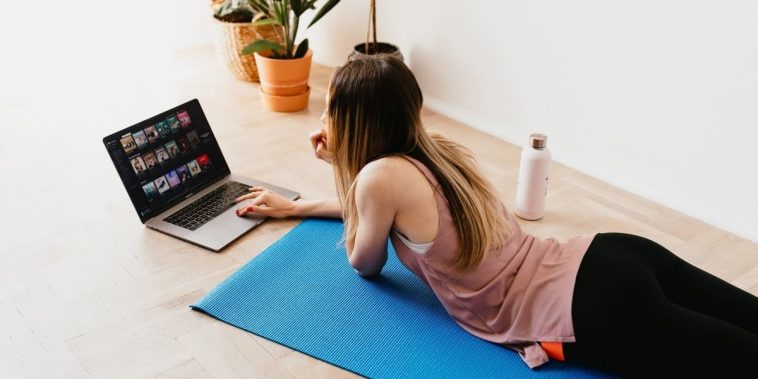
Practicing yoga at home has become one of the most consistent parts of my routine. A home setup removes barriers like travel time, class schedules, and added pressure. It creates a space where practice can feel personal, flexible, and grounded. Building that space does not require a large budget or perfect conditions, only intention and a bit of creativity.
A home yoga setup should support regular practice rather than impress anyone else. Over time, I learned that simplicity often works better than excess. A thoughtful setup adapts to changing needs, space limitations, and financial realities. The goal is to create an environment that encourages you to show up, no matter how much or how little you spend.
Starting With the Space You Already Have
The first step is identifying a space that already exists in your home. This might be a corner of a bedroom, a section of the living room, or even a cleared hallway. I found that consistency matters more than size. Practicing in the same spot builds a sense of routine and familiarity.
Natural light can enhance the experience, but it is not essential. What matters is enough room to move safely without constantly worrying about obstacles. Clearing clutter before each session helps shift the mind into practice mode. Over time, the space begins to feel intentional even without permanent changes.
Defining What You Actually Need
It is easy to assume a full studio setup is required for home practice. In reality, the essentials are minimal. A mat and enough space to move comfortably form the foundation. Everything else is optional and can be added gradually.
Defining needs helps avoid unnecessary spending. I focused on what supported consistency rather than variety. This mindset prevented impulse purchases and kept the setup manageable. Needs can evolve, but starting simple keeps things grounded.
Budget-Friendly Yoga Mats
A yoga mat is usually the first investment. Affordable mats can work well if they offer basic grip and cushioning. I started with a mid-range mat that lasted longer than expected. Proper care extended its life significantly.
Price does not always reflect suitability. Some inexpensive mats perform better than costly ones depending on practice style. Reading reviews and testing options when possible helps make informed decisions. A reliable mat supports confidence and safety.
Using Household Items as Props
Props do not have to come from a yoga store. Household items can substitute effectively. I have used books as blocks, belts as straps, and folded towels as blankets. These alternatives work surprisingly well.
Using what is available reduces initial costs. It also encourages creativity and adaptability. Over time, specific props may feel worthwhile, but household substitutes are perfectly functional. Practice quality does not depend on branded equipment.
Creating Comfort Without Overspending
Comfort influences consistency. A cold floor, poor lighting, or constant noise can make practice less inviting. Small adjustments make a big difference. I added a simple rug nearby and adjusted lighting with a lamp.
Comfort does not require expensive decor. Soft lighting, fresh air, and temperature control enhance the environment. These changes often cost little or nothing. A comfortable space invites regular use.
Sound and Silence on a Budget
Sound plays a role in home practice. Some people prefer silence, while others enjoy music or guided sessions. I use free playlists or apps instead of paid subscriptions. This keeps costs low while adding variety.
Headphones are helpful if space is shared. They create a sense of privacy and focus. Sound choices should support concentration rather than distract. Flexibility allows practice to adapt to different moods.
Low-Cost Storage Solutions
Storage helps maintain a sense of order. Clutter can make practice feel chaotic. I use simple baskets and hooks to store mats and props. These items were inexpensive and easy to install.
Vertical storage saves space in small homes. Keeping gear visible also serves as a reminder to practice. Organization does not need to be elaborate. Simple solutions support consistency.
Building a Setup With a Small Budget
With a limited budget, prioritization matters. I focused on one quality item at a time. Starting with a mat, then adding props later, spread costs over time. This approach reduced financial pressure.
Second-hand options are also worth exploring. Gently used mats and props often cost less. Cleaning them thoroughly makes them perfectly usable. A small budget does not limit quality when choices are intentional.
Mid-Range Budget Upgrades That Matter
With a bit more flexibility, upgrades can enhance comfort and support. Investing in a durable mat or a pair of blocks made a noticeable difference for me. These items improved stability and alignment. They felt worth the added cost.
Mid-range budgets allow for better materials and longevity. Items in this range often balance quality and affordability. Selecting a few key upgrades prevents overspending. Thoughtful additions improve experience without excess.
Creating a Dedicated Practice Zone
A dedicated zone does not require a separate room. Visual cues can define a space. I placed my mat and a small shelf in one area to signal practice time. This separation helped mentally transition into practice.
Consistency in setup reinforces habit formation. Returning to the same space builds familiarity and comfort. Even temporary setups can feel dedicated with intention. The mind responds to repetition and cues.
Lighting That Supports Focus
Lighting affects mood and concentration. Harsh overhead lights can feel distracting. I adjusted lighting with lamps and natural light when possible. Softer lighting made practice feel calmer.
Candles are optional but not necessary. Simple changes like turning off bright lights create a more focused environment. Lighting should support visibility without strain. Balance is key.
Temperature and Ventilation
Temperature influences comfort and safety. A space that is too cold or too hot can distract from practice. I adjust ventilation by opening windows or using fans as needed. These adjustments cost nothing but improve experience.
Layering clothing helps manage temperature changes. Flexibility allows practice year-round without extra expense. Comfort supports longer and more focused sessions. Small changes have lasting effects.
Practice Without Decorative Pressure
Decor is optional. Social media often shows beautifully styled yoga spaces. I learned that decoration does not determine practice quality. A clear floor and supportive environment matter more.
Adding meaningful items can enhance motivation. A plant, a photo, or a small object with personal significance can be enough. These items should inspire rather than distract. Simplicity keeps focus on movement and breath.
Using Free and Low-Cost Resources
Guidance does not require expensive subscriptions. Free videos, podcasts, and apps offer a wide range of practices. I explored different styles without financial commitment. This helped refine preferences.
Libraries and community centers may offer resources as well. Accessing free content keeps costs low while maintaining variety. Resources should support consistency rather than overwhelm. Select a few and stick with them.
Adjusting Setup for Small Spaces
Small spaces require flexibility. I practiced in narrow areas by adjusting pose width and orientation. Turning the mat sideways or diagonally maximized space. Creativity made practice possible.
Furniture can be moved temporarily. Even a few square meters can work. Adaptation builds confidence and resourcefulness. Space limitations do not prevent meaningful practice.
Sharing Space With Others
Shared homes add complexity. Clear communication helps manage expectations. I set practice times that worked for everyone. Headphones and portable setups made sharing easier.
Storing gear neatly prevents disruption. Respecting shared space supports harmony. Flexibility keeps practice consistent despite constraints. Home practice adapts to real-life conditions.
Long-Term Planning Without Pressure
A home yoga setup evolves. I resisted the urge to perfect everything at once. Allowing the space to grow naturally reduced stress. Each addition had purpose.
Long-term planning means investing gradually. Replacing worn items and upgrading thoughtfully prevents waste. Patience supports sustainability and budget balance. Progress does not require urgency.
Budgeting for Quality Over Quantity
Quality matters more than quantity. One reliable mat is better than several unused items. I learned to invest in pieces that supported daily practice. This mindset saved money over time.
Setting a small monthly or quarterly budget helped manage spending. Planning purchases reduced impulse buying. Budgeting aligns resources with values. Intentional spending supports long-term practice.
Balancing Inspiration and Simplicity
Inspiration fuels consistency, but excess can overwhelm. I balanced inspirational elements with simplicity. A clean space allowed focus without distraction. Inspiration came from practice itself.
Regular use shapes the environment more than decor. The space becomes meaningful through repetition. Balance keeps motivation steady. Simplicity sustains momentum.
Making the Space Feel Personal
Personal touches make a space inviting. I added items that reflected calm and intention. These details reminded me why I practice. Personalization does not require expense.
Meaningful objects hold emotional value. They support consistency and connection. A personal space encourages return. Practice becomes part of daily life.
Final Thoughts
Building a home yoga setup on any budget is entirely possible with intention and flexibility. The most important elements are consistency, comfort, and a supportive environment. Expensive equipment is not required to cultivate a meaningful practice. What matters is creating a space that invites you to show up regularly.
A home yoga setup should grow with you. Starting small, adapting creatively, and investing thoughtfully support long-term consistency. Budget limitations do not restrict depth or quality of practice. With care and intention, any space can become a place for grounding and growth.

GIPHY App Key not set. Please check settings