

 Dominic
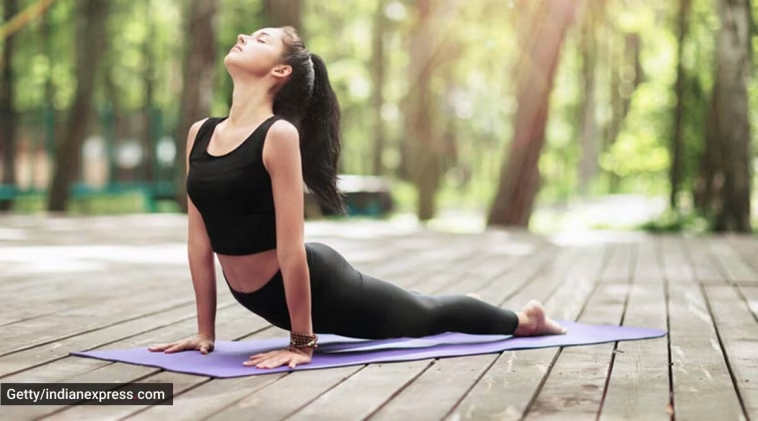
Recovery plays a much bigger role in physical progress than it often gets credit for. Strength and flexibility do not come only from effort, repetition, or intensity. They grow during the quiet moments that allow the body to adapt, rebuild, and recalibrate. Over time, my yoga practice has shown me that recovery is not a pause in progress but an essential part of it.
Pushing the body without adequate recovery can create the illusion of improvement while slowly limiting true growth. Muscles tighten, joints lose ease, and movement starts to feel heavy instead of fluid. Recovery creates the space where strength becomes usable and flexibility becomes lasting. Without it, the body simply holds on instead of opening up.
Recovery as the Foundation of Physical Change
Physical adaptation happens after effort, not during it. When muscles are challenged, tiny stress signals tell the body to rebuild stronger and more resilient tissue. Recovery is the phase where that rebuilding actually takes place.
Without enough recovery, the body stays in a protective state. Muscles remain tense, connective tissue stiffens, and movement quality declines. Allowing time and space for recovery gives the body permission to integrate the work instead of resisting it.
How Recovery Builds Sustainable Strength
Strength gained without recovery tends to be shallow and inconsistent. Muscles may feel engaged, but they fatigue quickly and lack endurance. Recovery allows muscle fibers to repair and reorganize, leading to deeper and more reliable strength.
In yoga, this shows up as steadiness rather than force. Holding poses feels more supported, and transitions become smoother. Strength that develops through proper recovery supports joints and posture instead of overwhelming them.
The Role of Rest in Muscle Adaptation
Muscles grow stronger during rest periods, not during exertion itself. Yoga often emphasizes effort with awareness, which makes recovery even more important. Gentle rest days allow muscles to release excess tension and regain elasticity.
This process improves how muscles respond the next time they are engaged. Instead of feeling stiff or reactive, the body feels prepared. That readiness is a sign of strength that has had time to settle and mature.
Flexibility Needs Recovery to Last
Flexibility gained through force rarely sticks. Stretching tired or overworked muscles can increase range temporarily but often leads to rebound tightness. Recovery gives flexibility a chance to become stable rather than fleeting.
When the body feels safe and rested, muscles release more naturally. Yoga practices that emphasize slow stretching, breath, and rest help flexibility deepen without strain. Over time, this creates mobility that feels accessible and comfortable.
The Nervous System and Physical Progress
The nervous system plays a central role in both strength and flexibility. A stressed nervous system limits range of motion and reduces muscle coordination. Recovery-oriented practices calm this system and improve communication between brain and body.
When the nervous system feels balanced, muscles respond more efficiently. Strength becomes coordinated rather than forced, and flexibility improves without resistance. This internal calm allows physical abilities to expand naturally.
Restorative Yoga as Active Recovery
Restorative yoga supports recovery while still engaging awareness. Poses held with support allow the body to rest deeply without collapsing. This form of recovery encourages circulation and gentle release.
Muscles soften while remaining connected to the breath. Joints decompress, and the spine settles into a neutral state. These sessions often lead to noticeable improvements in both strength stability and range of motion.
Recovery Improves Movement Quality
Movement quality matters as much as raw capability. Recovery refines how the body moves by reducing compensations and uneven effort. This leads to better alignment and smoother transitions.
As movement quality improves, strength becomes more efficient. Less energy is wasted, and muscles work together instead of competing. Flexibility also feels more controlled, which protects joints over time.
Balancing Effort and Ease
Yoga teaches the balance between effort and ease, often referred to as steadiness with softness. Recovery reinforces this balance by reminding the body how to relax without losing structure. This balance is essential for long-term progress.
Effort without ease creates rigidity. Ease without effort creates instability. Recovery helps integrate both, allowing strength and flexibility to support each other rather than pull in opposite directions.
How Recovery Prevents Plateaus
Plateaus often appear when recovery is ignored. The body adapts as far as it can and then stops responding. Introducing more rest instead of more effort often breaks through these plateaus.
With proper recovery, muscles regain responsiveness. Flexibility increases because tension patterns dissolve. Strength improves because muscles are no longer operating under constant fatigue.
Joint Health and Recovery
Joints rely on surrounding muscles and connective tissue for support. Without recovery, these structures become tight or inflamed. Yoga-based recovery practices restore balance around the joints.
Gentle movement combined with rest improves joint lubrication and circulation. This supports smoother motion and reduces discomfort. Healthy joints allow both strength and flexibility to develop safely.
Emotional Recovery and Physical Results
Emotional stress affects physical recovery more than many people realize. Tension held in the body limits movement and reduces strength output. Yoga recovery practices address this connection directly.
Slow breathing and stillness calm the emotional landscape. As stress decreases, muscles release unnecessary holding patterns. This emotional recovery directly supports physical progress.
Listening to the Body’s Signals
Recovery improves the ability to listen to subtle signals from the body. Fatigue, tightness, and discomfort become clearer and easier to interpret. This awareness helps adjust practice before issues arise.
Responding to these signals builds trust in the body. Strength and flexibility develop with less resistance. Over time, this dialogue becomes one of the most valuable tools in sustaining progress.
Recovery Supports Long-Term Consistency
Consistency matters more than intensity in any physical practice. Recovery makes consistency possible by preventing burnout and injury. A well-rested body is more willing to move regularly.
Yoga sessions feel inviting rather than draining. Strength builds gradually, and flexibility deepens without frustration. This steady rhythm supports progress over months and years.
Integrating Recovery Into Weekly Practice
Recovery does not need to be separate from practice. Gentle flows, breathwork, and restorative poses can be woven into regular sessions. This integration keeps the body balanced.
Alternating stronger days with recovery-focused days allows adaptation without overload. The body learns to work hard and rest well. This balance supports both strength and flexibility equally.
The Subtle Strength of Stillness
Stillness develops strength in ways that are not always visible. Holding restorative poses requires mental focus and physical surrender. This combination builds resilience that carries into active practice.
Flexibility also benefits from stillness. Muscles release slowly and deeply when given time. These changes often feel subtle at first but accumulate into lasting improvements.
Final Thoughts
Recovery is not a break from progress but a vital part of it. Strength becomes reliable and flexible when the body has time to rebuild and reset. Without recovery, effort loses its effectiveness and flexibility loses its ease.
By honoring recovery within a yoga practice, the body learns to respond with openness rather than resistance. Strength feels supported, flexibility feels safe, and movement feels sustainable. This balance is what allows physical growth to continue over the long term.



GIPHY App Key not set. Please check settings