
 Dominic
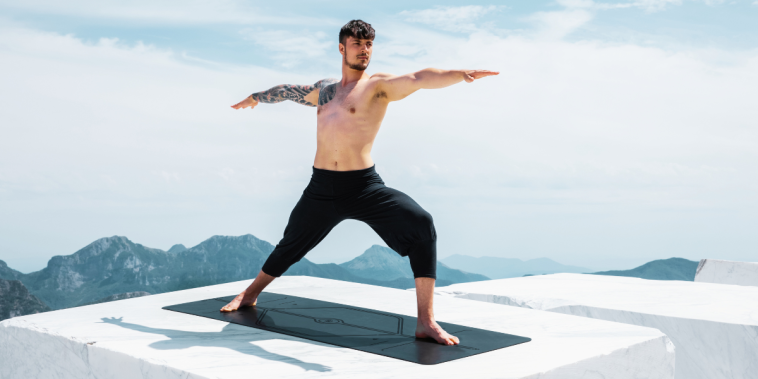
Props have become an essential part of my yoga practice, not as shortcuts but as tools that support clarity and stability. They offer immediate feedback to the body, helping me sense where alignment is working and where adjustments are needed. Instead of forcing shapes, props allow poses to meet the body where it is on any given day. That shift alone has transformed how safe and confident I feel on the mat.
Confidence in yoga does not come from performing advanced poses but from feeling steady and aware in simple ones. Props create space for that awareness to grow without pressure. They remove the rush to achieve a certain look and replace it with a sense of support. Over time, this has helped me trust my body more and approach practice with patience rather than expectation.
Why Alignment Matters in Yoga Practice
Alignment is the foundation of a sustainable yoga practice. When the body is aligned well, movement feels smoother and less strained. I notice that proper alignment allows muscles to engage evenly, reducing unnecessary tension. This balance supports both strength and ease during practice.
Misalignment often shows up subtly, especially for beginners or on days when the body feels tight. Without feedback, it is easy to repeat small habits that lead to discomfort. Props act as guides that highlight these habits without judgment. That awareness makes alignment feel approachable rather than intimidating.
Props as Tools, Not Crutches
Props are sometimes misunderstood as signs of limitation, but I see them as tools for intelligence and care. They do not weaken a practice, they refine it. By supporting the body, props allow muscles to engage more effectively. This creates a deeper connection to the pose rather than a superficial shape.
Using props encourages curiosity instead of comparison. Each body has different proportions, mobility, and needs. Props adapt poses to the body rather than forcing the body to adapt to poses. That mindset builds confidence and respect for personal limits.
How Blocks Support Structural Awareness
Yoga blocks provide immediate feedback about balance and spacing. Placing hands on blocks in standing poses helps me maintain length in the spine without collapsing. This support allows the chest to open and the shoulders to relax. Over time, I have noticed greater consistency in my alignment even without blocks.
Blocks also help explore depth safely. In poses that require reaching toward the floor, blocks bridge the gap without strain. This prevents rounding or overreaching that can compromise alignment. The sense of stability they provide builds trust in the pose.
Straps and Their Role in Safe Extension
Straps create connection where flexibility is limited. They allow the limbs to extend without pulling or forcing. I often use straps to maintain shoulder alignment in binds or overhead stretches. This keeps joints supported while encouraging gradual progress.
Using a strap helps me feel where engagement should come from. Instead of yanking into a stretch, the strap invites controlled movement. That control reduces the risk of injury and builds confidence in exploring range of motion. Safety and patience go hand in hand here.
Bolsters and Comfort in Supportive Poses
Bolsters bring a sense of ease and grounding to the practice. They support the body fully in restorative poses, allowing muscles to release without effort. I notice that proper support encourages deeper breathing and relaxation. This comfort creates a feeling of safety that is essential for confidence.
In more active practices, bolsters can support alignment by filling space under the body. This helps maintain spinal integrity and reduces strain. The body feels held rather than suspended. That sense of being supported changes how I relate to stillness and rest.
Blankets for Customization and Stability
Blankets offer versatility that few other props can match. They can be folded, rolled, or layered to adjust height and support. I use blankets to cushion joints or elevate hips in seated poses. This simple adjustment improves posture and reduces tension.
Blankets also support alignment by stabilizing the body. Placing a folded blanket under knees or ankles can prevent strain. These small changes make longer holds more comfortable. Comfort allows focus to shift inward rather than toward discomfort.
Chairs and Walls as Alignment Guides
Chairs and walls provide clear reference points for alignment. Using a wall helps me sense vertical alignment in standing poses. It reveals habits like leaning or over-arching that might otherwise go unnoticed. This feedback is immediate and easy to understand.
Chairs offer support for balance and strength-building. They make poses accessible without sacrificing alignment. Using a chair removes fear of falling, which builds confidence quickly. Feeling supported encourages exploration rather than hesitation.
Building Confidence Through Support
Confidence grows when the body feels safe. Props create that sense of safety by reducing strain and uncertainty. When I know I am supported, I am more willing to stay in a pose and explore sensation. This patience builds trust in the practice.
That trust carries over into unassisted poses as well. Over time, the body remembers alignment cues learned with props. Confidence becomes internal rather than dependent on external support. Props act as teachers rather than permanent fixtures.
Reducing Fear of Injury
Fear of injury can limit progress and enjoyment in yoga. Props reduce this fear by offering stability and control. They allow exploration without pushing beyond safe limits. This makes practice feel welcoming rather than risky.
Knowing that support is available changes how I approach challenging poses. Instead of avoiding them, I explore them with curiosity. This mindset encourages growth without pressure. Safety becomes an integral part of confidence.
Supporting Different Body Types and Abilities
Every body is different, and props honor that diversity. They adapt poses to individual proportions and mobility levels. This inclusivity makes yoga accessible and empowering. Feeling seen and supported builds confidence naturally.
Props also allow practices to evolve with the body. On days when energy is low or tightness is present, support can increase. On other days, less support may feel appropriate. This flexibility supports a lifelong practice.
Props in Building Mindful Awareness
Using props increases awareness of subtle alignment cues. The body receives tactile feedback that enhances proprioception. I notice shifts in weight distribution and muscle engagement more clearly. This awareness deepens the mind-body connection.
Mindful use of props encourages intentional movement. Each adjustment becomes a conscious choice rather than a habit. This presence fosters confidence in decision-making on the mat. Awareness replaces uncertainty.
Transitioning Away From Props Over Time
Props are not meant to be permanent unless needed. Over time, the body may develop strength and awareness that reduces reliance on support. I see this as progress rather than abandonment. The lessons learned through props remain even when they are no longer used.
Knowing that props are available removes pressure to rush. Practice unfolds at its own pace. Confidence grows naturally through consistency and awareness. Progress feels grounded rather than forced.
Teaching and Practicing With Compassion
Props encourage a compassionate approach to yoga. They remind me that practice is about care, not performance. Supporting the body is an act of respect. This perspective transforms how I relate to challenges.
Compassion builds confidence by removing self-judgment. When mistakes become opportunities for adjustment, growth feels safe. Props support this mindset by offering options rather than demands. Yoga becomes a dialogue rather than a test.
Integrating Props Into Regular Practice
Integrating props into regular practice requires intention. I choose props based on the focus of the session rather than habit. This keeps their use purposeful and effective. Over time, this awareness has refined my practice.
Regular use of props has improved consistency in alignment. The body learns patterns that carry over into daily movement. Confidence extends beyond the mat into everyday life. Supportive tools create lasting benefits.
Final Thoughts
Props have reshaped how I experience alignment and confidence in yoga. They provide support without judgment and guidance without force. Through thoughtful use, props help the body move safely while building awareness and trust. Alignment becomes a conversation rather than a correction.
Confidence grows when practice feels supportive and adaptable. Props create space for exploration, patience, and self-respect. By embracing them as tools for growth, yoga becomes more inclusive and sustainable. That sense of confidence carries into every aspect of practice and beyond.

GIPHY App Key not set. Please check settings