
 Dominic
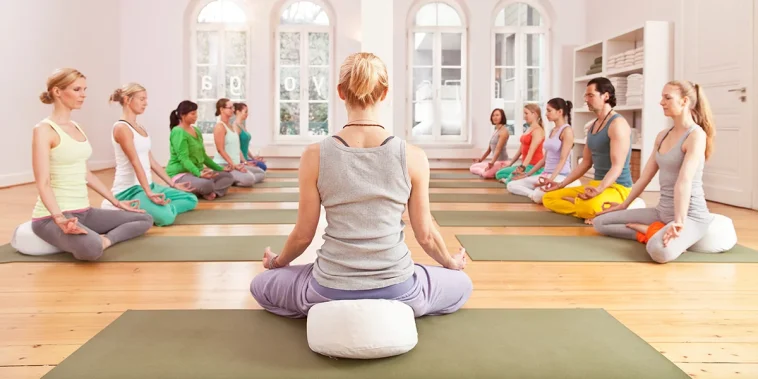
Foundational yoga poses form the backbone of a steady and sustainable practice. I rely on these poses to build strength, mobility, and awareness no matter how long I have been practicing. They appear repeatedly in classes, home sessions, and even brief stretches between daily tasks. Knowing them well creates confidence and ease on the mat.
These poses are not only for beginners. I return to them because they reveal something new each time. Subtle shifts in alignment, breath, or focus can completely change how a familiar pose feels. Foundational yoga poses support long-term growth by encouraging patience, consistency, and curiosity.
Why Foundational Poses Matter in Yoga
Foundational poses establish patterns that carry into more complex shapes. They teach how to distribute weight, engage muscles, and move with intention. I notice that when these basics feel stable, everything else becomes more accessible. Strength and flexibility develop more evenly.
They also create a shared language in yoga. Most styles and classes reference these poses regularly. Knowing them well allows smoother transitions and safer exploration. Foundational poses keep practice grounded and adaptable.
Mountain Pose as the Starting Point
Mountain Pose appears simple, yet it sets the tone for alignment and awareness. Standing tall with feet grounded, I focus on stacking joints from feet to head. Subtle engagement through the legs and core creates stability. This pose teaches how effort and ease coexist.
Breath awareness deepens here. I notice how posture affects breathing patterns. Mountain Pose encourages presence and steadiness. It becomes a reference point for standing poses throughout practice.
Forward Fold for Release and Awareness
Forward Fold invites the body to soften while staying attentive. I hinge at the hips and allow the spine to lengthen naturally. Bent knees help maintain comfort and prevent strain. This approach prioritizes sensation over depth.
The pose encourages introspection. I feel tension release gradually with each exhale. Forward Fold improves flexibility while calming the mind. It remains a reliable reset during practice.
Downward Facing Dog as a Full-Body Foundation
Downward Facing Dog connects strength and stretch in one shape. I focus on lifting the hips and lengthening the spine rather than straightening the legs. Pressing through the hands engages the upper body. This pose strengthens shoulders, arms, and legs together.
It also encourages steady breathing under mild effort. I use it as a transitional pose and a place to rest actively. Over time, Downward Facing Dog builds endurance and awareness. It supports nearly every style of yoga.
Plank Pose for Core and Stability
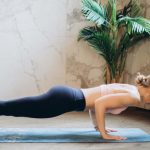
Plank Pose develops essential core strength. I align shoulders over wrists and engage the abdomen gently. Keeping the body in one line requires focus and control. This pose reveals habits around posture and strength.
Plank supports many other poses by building stability. I notice improvements in balance and confidence with regular practice. It teaches how to hold effort without tension. Plank Pose remains a cornerstone for strength.
Chaturanga as Controlled Strength
Chaturanga builds upper body and core strength when practiced mindfully. I lower halfway with elbows close to the ribs. Knees down provide support when needed. Control matters more than depth.
This pose demands awareness of shoulder alignment. I engage the core to prevent collapse. Chaturanga prepares the body for transitions and arm balances. Practiced well, it enhances strength safely.
Cobra Pose for Gentle Back Strength
Cobra Pose introduces back extension with control. I lift the chest using back muscles rather than pushing into the hands. Elbows stay slightly bent to reduce strain. This approach protects the lower back.
The pose strengthens the spine and opens the chest. I focus on length rather than height. Cobra improves posture and awareness. It balances forward-focused movements.
Child’s Pose for Rest and Reset
Child’s Pose offers grounding and recovery. Kneeling and folding forward, I allow the back to broaden naturally. Support under the hips or chest enhances comfort. This pose encourages rest without disengagement.
Breathing into the back feels calming. I use Child’s Pose whenever intensity builds. It reminds me that rest is part of practice. This pose supports both physical and mental balance.
Warrior I for Strength and Focus
Warrior I builds strength through the legs and core. I ground through the feet while lifting the chest. The back heel anchors stability. This pose feels powerful and focused.
Alignment matters to avoid strain. I keep the hips oriented forward as much as possible. Warrior I develops stamina and concentration. It introduces the energy of standing poses.
Warrior II for Stability and Awareness
Warrior II emphasizes grounded strength and openness. I widen the stance and extend the arms with intention. Gaze over the front hand sharpens focus. This pose teaches endurance.
The legs work steadily while the upper body remains relaxed. I notice improved awareness of alignment here. Warrior II builds confidence and resilience. It appears frequently in flowing sequences.
Triangle Pose for Balance and Length
Triangle Pose combines strength, flexibility, and balance. I extend through both sides of the body while grounding the feet. A block under the hand supports alignment. This pose encourages spaciousness.
The chest opens while the legs remain active. I focus on length rather than reaching down. Triangle Pose improves coordination and stability. It refines awareness of alignment.
Tree Pose for Balance and Focus
Tree Pose challenges balance and concentration. Standing on one leg, I place the other foot against the calf or thigh. Hands come to the chest or overhead. This pose encourages steadiness.
Balance shifts from moment to moment. I use breath to stay centered. Tree Pose strengthens ankles and improves focus. It teaches patience and adaptability.
Seated Forward Fold for Flexibility
Seated Forward Fold stretches the back body gently. Sitting tall before folding protects the spine. Bent knees maintain comfort. This pose encourages release without force.
I notice how breath influences depth. Each exhale allows softening. Seated Forward Fold calms the nervous system. It balances strength-focused poses.
Bound Angle Pose for Hip Opening
Bound Angle Pose targets hips and inner thighs. Sitting upright, I bring the soles of the feet together. Support under the knees increases ease. This pose feels grounding.
The posture encourages relaxation and openness. I focus on gentle length through the spine. Bound Angle Pose supports flexibility patiently. It pairs well with seated practices.
Seated Twist for Spinal Health
Seated twists refresh the spine. I lengthen upward before rotating gently. Sitting on a blanket improves alignment. This sequence protects the back.
Twists stimulate circulation and awareness. I keep movements controlled and breath-led. Seated twists balance the spine. They support mobility and comfort.
Bridge Pose for Strength and Support
Bridge Pose strengthens the back body and core. Lifting the hips with control protects the lower back. A block under the sacrum offers support. This pose builds confidence in backbending.
I focus on engaging the legs and glutes. The chest opens gently. Bridge Pose improves posture and stability. It prepares the body for deeper backbends.
Supine Twist for Relaxation
Supine twists allow the spine to release. Lying on the back, I drop one knee across the body. Shoulders remain relaxed. This setup encourages ease.
The pose feels restorative. Breath deepens naturally. Supine twists reduce tension. They provide a calming close to practice.
Corpse Pose as Integration
Corpse Pose integrates the effects of practice. Lying still, I allow the body to absorb sensations. No effort is required. This pose completes the sequence.
Rest supports recovery and awareness. I notice subtle shifts in breath and energy. Corpse Pose reinforces the value of stillness. It remains essential for balance.
How Foundational Poses Work Together
Foundational poses complement each other. Strength-focused shapes balance flexibility-based ones. Standing poses pair with seated and supine poses. This balance supports whole-body health.
I notice greater ease when practice includes variety. Foundational poses create cohesion. They prepare the body for more complex movements. Together, they form a complete practice.
Common Alignment Themes Across Foundational Poses
Certain alignment principles repeat throughout practice. Grounding through the feet supports stability. Lengthening the spine protects joints. Gentle core engagement supports movement.
Awareness of these themes improves safety. I focus on quality rather than quantity. Foundational poses teach these principles clearly. They become habits over time.
Using Breath to Support Foundational Poses
Breath guides movement and focus. I notice tension decrease when breathing remains steady. Inhales create space, exhales encourage release. This rhythm supports every pose.
Holding the breath signals strain. I adjust when breathing feels restricted. Breath awareness deepens the benefits of foundational poses. It keeps practice mindful.
Progress Through Consistent Practice
Consistency matters more than intensity. Returning to foundational poses builds trust in the body. Small improvements accumulate. I notice increased stability and comfort over time.
Progress shows up in subtle ways. Balance improves, strength deepens, and tension decreases. Foundational poses support long-term growth. They remain relevant at every stage.
Adapting Foundational Poses to Individual Needs
Every body responds differently. I modify poses to suit my needs on any given day. Props support comfort and alignment. Adaptation keeps practice accessible.
Flexibility and strength fluctuate. Foundational poses accommodate these changes. I listen closely and adjust. This responsiveness supports sustainability.
Foundational Poses Beyond the Mat
The effects of foundational poses extend into daily life. Improved posture influences sitting and standing habits. Strength supports daily movement. Awareness reduces strain.
Mindfulness cultivated on the mat carries over. I move with more intention. Foundational poses offer practical benefits beyond practice time. They support overall well-being.
Building Confidence Through Basics
Confidence grows from familiarity. Foundational poses create a sense of competence. I feel comfortable navigating different classes and styles. This confidence encourages exploration.
Returning to basics prevents burnout. Foundational poses feel reliable. They anchor practice during busy or stressful periods. Confidence builds through repetition.
Final Thoughts
Foundational yoga poses every yogi should know provide stability, awareness, and balance. They support strength, flexibility, and mindfulness without unnecessary complexity. Returning to these poses reinforces safe alignment and steady progress. With consistent practice, foundational poses remain valuable companions throughout every stage of the yoga journey.

GIPHY App Key not set. Please check settings