

 Dominic
Evenings often carry the weight of everything that happened during the day. Muscles hold tension from hours of movement or stillness, and the mind continues to replay conversations, tasks, and unfinished thoughts. Evening yoga gives me a way to gently transition out of that active state and into something calmer and more grounded. The purpose is not to achieve anything but to soften, slow down, and prepare both body and mind for rest.
Deep relaxation does not happen instantly, especially after busy days. Yoga in the evening works best when it unfolds gradually, allowing the nervous system to feel safe enough to let go. These sequences focus on slow movement, steady breathing, and longer holds that encourage release. Over time, evening practice becomes a signal that the day is complete and rest is allowed.
Why Evening Yoga Supports Relaxation
Evening yoga feels different from morning or midday practice because the body is already carrying fatigue. Muscles are warmer but often tighter, and energy levels tend to dip. This makes the evening ideal for slower movements that emphasize release rather than strength. Yoga at this time supports the shift from alertness to rest.
The nervous system also responds differently in the evening. Gentle movement paired with slow breathing activates the parasympathetic response, which encourages relaxation. Over time, the body begins to associate evening yoga with calm and safety. This association makes it easier to unwind at the end of the day.
Creating a Calm Transition Into Practice
The transition into evening yoga matters as much as the practice itself. I give myself a few moments to step away from screens and distractions before starting. Even a short pause helps signal that the pace is changing. This mental shift allows the practice to feel intentional rather than rushed.
Lighting and atmosphere play a role in relaxation. Softer light, quiet surroundings, and minimal stimulation support a calmer experience. I treat this time as personal space, free from expectations. That mindset allows the body to respond more openly to gentle movement.
Gentle Breathing to Settle the Mind
Breath is the foundation of any relaxing evening sequence. Slow, steady breathing helps quiet mental chatter and brings attention into the body. I focus on lengthening the exhale slightly longer than the inhale. This subtle change signals the nervous system to slow down.
Breathing through the nose encourages a smoother rhythm. I notice how the breath moves through the ribs and belly rather than staying shallow. Over several minutes, the mind naturally becomes quieter. This breathing pattern sets the tone for the rest of the practice.
Slow Warm-Up for Releasing Tension
Evening warm-ups focus on releasing rather than energizing. I begin with small, controlled movements that gently loosen tight areas. Neck rolls, shoulder movements, and slow spinal motions ease stiffness accumulated throughout the day. These movements feel nurturing rather than demanding.
Moving slowly allows awareness to deepen. I notice where tension lives and how it changes with breath. Warm-up movements become a form of listening rather than preparation for effort. This approach supports deeper relaxation later in the sequence.
Seated Poses for Grounding
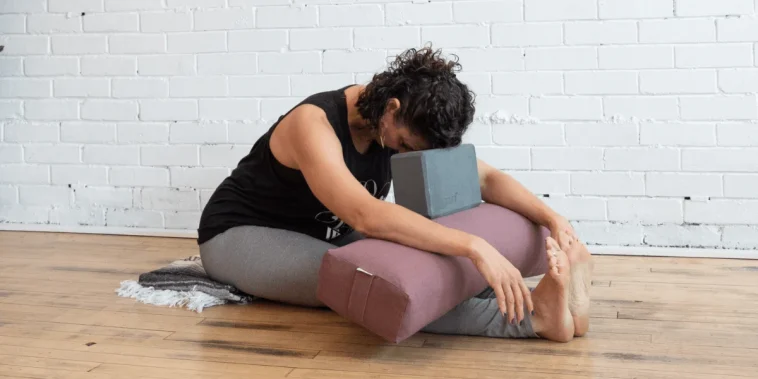
Seated poses offer stability and grounding in evening practice. I transition to the floor early in the sequence to encourage a sense of settling. Poses like gentle forward folds and seated stretches calm the nervous system. These shapes encourage introspection and stillness.
I take my time entering and exiting each pose. Rushing interrupts relaxation and pulls the mind outward. Seated poses allow the breath to slow naturally. Over time, the body learns to relax more quickly in these familiar shapes.
Forward Folds to Encourage Release
Forward folds play a central role in evening yoga sequences. They naturally encourage inward focus and calm. I allow the spine to lengthen before folding, keeping the movement gentle. The emphasis is on release rather than depth.
These poses help quiet the mind and soothe the nervous system. Gravity assists the body in letting go of unnecessary tension. I stay for several breaths, allowing the pose to soften gradually. Forward folds create a sense of safety and ease.
Hip-Opening Poses for Letting Go
The hips often store physical and emotional tension. Evening yoga provides space to address this area gently. I include poses that open the hips slowly without force. Long holds allow the body to release at its own pace.
Comfort is essential in hip-opening poses. Props such as cushions or blankets support the body and prevent strain. I focus on breathing into sensations rather than pushing past them. This patience supports deep relaxation and trust.
Reclined Poses for Deep Rest
Reclined poses shift the body closer to rest. Lying down removes the effort of holding oneself upright. Poses done on the back allow muscles to fully relax. This stage of the practice feels especially calming.
I move slowly between reclined poses, keeping transitions minimal. Gentle movements such as knee-to-chest or reclining twists feel soothing. These poses help release the lower back and hips. The body begins to feel heavy and supported.
Gentle Twists to Calm the Nervous System
Twists in the evening are soft and controlled. They help release spinal tension and encourage circulation without stimulation. I keep twists close to the floor, using gravity rather than effort. The breath remains slow and steady.
Twists also support digestion and comfort before sleep. I avoid forcing depth and allow the body to settle naturally. Each side receives equal attention and time. The effect is calming rather than energizing.
Restorative Poses for Full Relaxation
Restorative poses are essential for deep evening relaxation. These poses use support to fully hold the body. I remain in each pose for several minutes, allowing the nervous system to downshift. Stillness becomes the main focus.
In restorative poses, the body does very little. The mind gradually follows, letting go of active thinking. I notice how breathing becomes slower and more effortless. These poses feel like permission to rest completely.
Using Longer Holds to Encourage Stillness
Longer holds are especially effective in evening sequences. Staying in a pose allows the body time to release deeper layers of tension. I resist the urge to move too quickly. Stillness becomes part of the practice.
The longer I stay, the more subtle sensations become noticeable. Muscles soften, breath deepens, and thoughts slow down. This kind of practice feels meditative without effort. Time spent in stillness supports emotional and physical recovery.
Breath-Led Relaxation Throughout the Sequence
Throughout the entire sequence, breath remains the guide. I return attention to the breath whenever the mind wanders. This gentle redirection keeps the practice grounded. Breath anchors the body in the present moment.
Evening breathing emphasizes softness and ease. I avoid any techniques that feel stimulating. The goal is calm, not control. Over time, breath-led practice trains the body to relax more quickly.
Transitioning Toward Complete Stillness
As the sequence nears its end, movement becomes minimal. I prepare the body for complete rest by slowing everything down. Each transition becomes deliberate and unhurried. This gradual slowing prevents sudden shifts.
The body responds by settling deeply. Muscles feel heavy and supported. The mind begins to quiet on its own. This stage bridges gentle movement and full relaxation.
Final Rest for Integration
The final resting pose is where the effects of evening yoga fully integrate. I allow myself to be completely still, supported by the floor. There is no goal other than rest. Breath moves naturally without direction.
During this time, awareness shifts inward. Sensations come and go without effort. The body absorbs the practice in silence. This rest often feels like a reset after a long day.
Letting Go of the Day Through Awareness
Evening yoga creates space to mentally release the day. Thoughts may still arise, but they lose their urgency. I observe them without engaging. This gentle detachment supports relaxation.
Letting go does not require force. Awareness alone is often enough. As the body relaxes, the mind follows. The practice becomes a bridge between activity and sleep.
Adapting Evening Sequences to Energy Levels
Energy levels vary greatly in the evening. Some days call for more movement, while others need stillness almost immediately. I adjust the sequence accordingly without judgment. Flexibility keeps the practice supportive.
Shorter sequences can still be effective. Even a few gentle poses combined with breath can shift the nervous system. Consistency matters more than length. Evening yoga adapts to the needs of the moment.
Supporting Better Sleep Through Yoga
Evening yoga often improves sleep quality. The body enters rest with less tension and mental noise. Breathing remains slower even after practice ends. This calm carries into bedtime.
Regular evening practice trains the body to recognize cues for rest. Over time, falling asleep becomes easier. Yoga does not replace sleep routines but complements them. The effects build gradually with consistency.
Building an Evening Yoga Ritual
Ritual adds meaning and consistency to evening practice. I treat this time as non-negotiable self-care rather than another task. Familiar sequences reduce decision-making and resistance. The body begins to anticipate relaxation.
Keeping the ritual simple helps maintain it. The same few poses practiced regularly create comfort and trust. Evening yoga becomes a signal that the day is winding down. This rhythm supports long-term well-being.
Final Thoughts
Evening yoga sequences for deep relaxation offer a gentle way to close the day with care and intention. Through slow movement, steady breathing, and supported poses, the body learns to release tension without effort. These practices create space for calm, clarity, and rest to emerge naturally. Over time, evening yoga becomes not just a routine but a quiet ritual that supports deeper relaxation and better sleep.


GIPHY App Key not set. Please check settings