

 Dominic
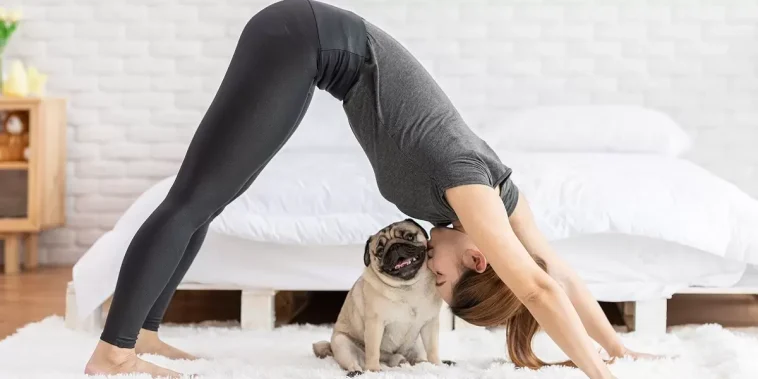
Downward Dog sits at the heart of countless yoga practices, acting as both a place of rest and a position of strength. I return to this pose again and again because it reveals so much about the body in a single shape. Arms, shoulders, spine, hips, and legs all speak at once, making it impossible to rush through without awareness. The more time I spend in Downward Dog, the more I realize it is not a passive pause but an active conversation with alignment, breath, and intention.
This pose shows up in beginner classes and advanced flows alike, yet it is often misunderstood. Many people assume they already “know” it and move on autopilot, missing its deeper potential. I have found that slowing down inside Downward Dog can transform an entire practice, setting the tone for everything that follows. Exploring its structure, benefits, and common errors helps unlock why this seemingly simple pose deserves careful attention.
The Purpose of Downward Dog in a Yoga Practice
Downward Dog functions as a bridge between poses, linking movements together while offering space to breathe. I experience it as a moment where the body recalibrates, even in fast-paced sequences. It stretches and strengthens at the same time, which is rare and valuable. Because of this dual role, it supports both energizing flows and slower, grounding sessions.
Beyond its physical role, Downward Dog encourages mental focus. The inverted position gently shifts perspective, asking the mind to settle while the body works. I notice that when my attention drifts, the pose feels heavy and disjointed. When focus returns, the pose becomes lighter and more spacious, reinforcing the mind-body connection that yoga is built on.
Setting Up the Foundation
The hands and feet form the base of Downward Dog, and I always start by paying attention to them. Spreading the fingers wide helps distribute weight evenly across the palms, reducing strain in the wrists. Pressing through the knuckles, especially the index finger and thumb, creates stability that travels up the arms. This foundation prevents collapsing into the shoulders and encourages active engagement.
Feet placement matters just as much. I keep them hip-width apart, allowing the heels to move toward the mat without forcing them down. The goal is not flat heels but length through the back of the legs and spine. When the foundation feels steady, the rest of the pose becomes easier to organize and sustain.
Arm and Shoulder Alignment
Strong, mindful arms transform Downward Dog from a stretch into a full-body pose. I rotate the upper arms slightly outward, which broadens the shoulders and creates space in the neck. This external rotation supports the shoulder joints and prevents compression. The sensation should feel like the arms are hugging the bones into place rather than sinking.
Shoulder blades play a subtle yet important role. I allow them to slide slightly down the back without pinching together. This balance creates strength without tension, keeping the upper body both stable and mobile. Over time, this awareness carries into other poses that rely heavily on shoulder integrity.
Spinal Length and Core Engagement
The spine is the centerpiece of Downward Dog, and I prioritize length over depth. Bending the knees slightly can help find this length, especially if the hamstrings feel tight. I focus on lifting the hips up and back, creating space between each vertebra. This action supports spinal health and encourages better posture off the mat.
Core engagement often gets overlooked in this pose. Drawing the lower ribs gently inward and supporting the belly keeps the spine from sagging. I find that subtle core activation makes the pose feel lighter and more controlled. Instead of hanging into the joints, the body feels supported from the inside out.
Leg Position and Lower Body Awareness
The legs in Downward Dog do more than stretch; they actively contribute to stability. I press the thighs back while lifting the kneecaps slightly, which engages the quadriceps. This action protects the knees and supports the hips. Even though the pose looks relaxed, the legs are very much involved.
Hamstring flexibility varies from person to person, and I remind myself that this is not a competition. Bent knees are not a sign of failure but a tool for maintaining spinal integrity. Over time, consistent practice naturally increases flexibility without forcing the body beyond its limits. Listening to the legs creates a safer and more sustainable practice.
Breath and Rhythm in the Pose
Breath transforms Downward Dog from a static shape into a living experience. I aim for slow, steady breathing that matches the intensity of the pose. Inhales create length through the spine, while exhales encourage grounding through the hands and feet. This rhythm keeps the nervous system calm even when the body is working.
Holding the pose for several breaths reveals subtle patterns of tension. I often notice areas where I grip unnecessarily, such as the jaw or shoulders. Each exhale becomes an opportunity to soften while maintaining strength. Over time, this awareness carries into daily life, improving how I respond to stress and physical effort.
Physical Benefits of Downward Dog
Downward Dog offers a wide range of physical benefits when practiced with care. It strengthens the arms, shoulders, and upper back while stretching the hamstrings, calves, and spine. I appreciate how it balances opposing actions, creating both stability and mobility. This balance supports overall joint health and functional movement.
The mild inversion also encourages circulation. Blood flow shifts toward the upper body, which can feel refreshing and energizing. I often notice a sense of clarity after spending time in this pose, especially during longer practices. These physical effects contribute to why Downward Dog remains a staple in yoga traditions worldwide.
Mental and Emotional Effects
The inverted nature of Downward Dog influences the mind as much as the body. I experience it as a pause that invites reflection without stopping movement entirely. The pose encourages presence, drawing attention inward while remaining engaged. This quality makes it especially useful during stressful or busy periods.
Emotionally, the pose can feel grounding and reassuring. The steady contact of hands and feet with the mat provides a sense of support. Over time, this consistency builds confidence and trust in the body. I find that regular practice fosters patience, both on and off the mat.
Common Mistake: Collapsing Into the Shoulders
One of the most frequent errors I see in Downward Dog is collapsing into the shoulders. This often happens when the arms are not actively engaged. The result is compression in the neck and discomfort over time. Awareness and strength are key to correcting this pattern.
Pressing firmly through the hands and engaging the arms lifts weight out of the shoulders. Rotating the upper arms outward also helps maintain space. These adjustments may feel effortful at first, but they protect the joints and improve overall alignment. With practice, the pose becomes more supportive and less taxing.
Common Mistake: Rounding the Lower Back
Another common issue is excessive rounding in the lower back. This usually comes from tight hamstrings or a desire to straighten the legs at all costs. I have learned that prioritizing leg extension over spinal health leads to discomfort. The spine should feel long and neutral, not compressed.
Bending the knees slightly allows the pelvis to tilt correctly. This adjustment creates more space in the lower back and encourages better alignment. Over time, flexibility improves naturally without sacrificing comfort. Respecting the spine ensures longevity in both yoga practice and daily movement.
Common Mistake: Locking the Knees and Elbows
Joint locking is subtle but potentially harmful. In Downward Dog, locking the knees or elbows transfers stress into the joints rather than distributing it through muscles. I stay mindful of maintaining a micro-bend that keeps the pose active. This small change makes a significant difference in how the pose feels.
Engaged muscles provide support and control. The legs and arms should feel alive, not rigid. This approach reduces the risk of strain and builds strength more effectively. Over time, this habit carries into other weight-bearing poses, improving overall stability.
Modifications for Different Bodies
Every body approaches Downward Dog differently, and modifications make the pose accessible. I often use blocks under the hands to reduce wrist strain or to accommodate tight shoulders. This lift changes the angle of the pose and can make it more comfortable. Props are tools, not crutches, and they support mindful practice.
Another option involves practicing at the wall. Placing hands on the wall and stepping back mimics the shape without full weight-bearing. This variation helps build confidence and strength gradually. Exploring these options ensures that the pose remains supportive rather than overwhelming.
Integrating Downward Dog Into Daily Practice
Downward Dog does not need to appear only in formal yoga sessions. I often use it as a short break during the day, especially after long periods of sitting. A few breaths in the pose can reset posture and relieve tension. This flexibility makes it a practical tool beyond the mat.
Consistency matters more than duration. Even brief moments in the pose contribute to strength and mobility over time. I focus on quality rather than rushing through repetitions. This mindset keeps the practice sustainable and enjoyable.
Progression Over Time
Growth in Downward Dog happens gradually and often subtly. Early changes may include increased comfort or smoother transitions between poses. Over time, strength builds in the arms and shoulders, while flexibility improves in the legs and spine. I notice that the pose begins to feel more spacious and less demanding.
Patience plays a central role in this progression. Forcing depth or alignment rarely leads to lasting improvement. Gentle persistence and curiosity create more meaningful results. This approach mirrors the broader lessons yoga offers about balance and self-awareness.
Final Thoughts
Downward Dog may look familiar, but its depth reveals itself through attentive practice. Exploring form, benefits, and mistakes has deepened my appreciation for this foundational pose. Each time I step onto the mat, it offers new feedback and insight. Approached with care and intention, Downward Dog becomes more than a transition; it becomes a teacher in its own right.


GIPHY App Key not set. Please check settings