

 Dominic
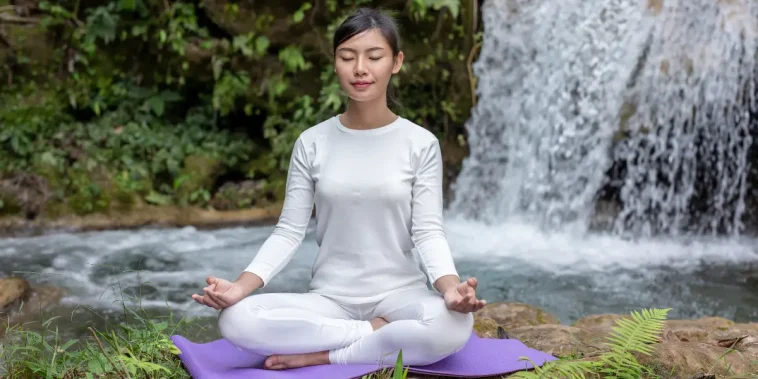
Breath shapes every movement, sensation, and moment of stillness on the mat, yet it is often the most overlooked part of yoga practice. Postures tend to get all the attention, while breathing quietly slips into the background, assumed to be natural and automatic. Over time, subtle habits form that seem harmless but slowly interfere with strength, focus, and nervous system balance. I have seen again and again that when breath awareness changes, the entire practice shifts with it.
Many of the most common breathing mistakes do not feel like mistakes at all. They often feel productive, disciplined, or even advanced, which makes them harder to notice and correct. Some come from trying too hard, while others come from carrying everyday stress onto the mat. By naming these patterns honestly, space opens for more ease, better control, and a deeper sense of connection during practice.
Treating Breath as an Afterthought
Breathing is frequently treated as background noise rather than an active part of the practice. Poses are memorized, sequences are refined, and transitions are smoothed out, while the breath is expected to fall into place on its own. This mindset turns breathing into something reactive instead of intentional. Over time, that disconnect limits how much benefit the body and mind can actually receive.
I have noticed that when attention drifts away from breath, movements become less coordinated and more forced. The body may still move through shapes correctly, but the internal rhythm is missing. This often leads to fatigue setting in earlier than expected and concentration fading faster. Breath works best when it is treated as a guide rather than a passenger.
Holding the Breath Without Noticing
Unconscious breath holding is one of the most common patterns I see, especially during challenging poses. The mind focuses so intensely on balance or strength that breathing pauses without permission. This can happen for just a second or two, yet the effects ripple through the entire system. Muscles tighten, the jaw clenches, and the nervous system shifts toward tension.
I catch myself doing this when effort spikes unexpectedly. The body braces, as if preparing for impact, instead of staying receptive. Over time, repeated breath holding trains the body to associate challenge with restriction. Releasing this habit allows effort and softness to exist together rather than competing with each other.
Breathing Only Into the Chest
Shallow chest breathing often sneaks into yoga practice, especially for those who spend long hours sitting or dealing with stress. The breath stays high, lifting the shoulders and upper ribs while the belly remains relatively still. This pattern limits oxygen exchange and keeps the nervous system on alert. It can feel energetic, but it rarely feels grounding.
When I notice my breath hovering in my chest, my movements tend to feel rushed and disconnected. The lower body loses support, and balance becomes less stable. Allowing the breath to expand into the ribs and belly creates a sense of weight and presence that chest breathing simply cannot provide. This shift alone can transform how steady and calm a pose feels.
Forcing Deep Breaths
Deep breathing is often encouraged, but forcing depth can backfire. Pulling air aggressively into the lungs or pushing it out too hard creates tension rather than relaxation. The breath becomes mechanical, driven by effort instead of awareness. This kind of control may look disciplined from the outside, yet internally it often feels strained.
I have learned that depth emerges naturally when the body feels safe and supported. When I try to manufacture it, my throat tightens and my face hardens. Gentle expansion allows the breath to deepen without resistance. True depth feels smooth and unhurried, not heavy or loud.
Ignoring the Exhale
Inhale-focused breathing is another subtle imbalance. Many yogis concentrate on filling the lungs but rush through the exhale or barely notice it at all. This creates a sense of constant buildup without release. Over time, tension accumulates because the body never fully lets go.
I pay close attention to the quality of my exhale because it reveals more than the inhale ever could. A rushed or incomplete exhale often signals mental distraction or emotional holding. Slowing it down invites the nervous system to soften. The space at the end of the exhale can feel just as meaningful as the breath itself.
Syncing Breath Incorrectly With Movement
Breath and movement are meant to support each other, but mismatches happen easily. Sometimes the breath lags behind the body, while other times it races ahead. This disconnect can make transitions feel jerky or unstable. Over time, it trains the body to move without internal coordination.
I notice this most clearly during vinyasa-style flows. When my breath and movement fall out of sync, I feel slightly off balance even in familiar sequences. Reestablishing rhythm restores a sense of continuity. Each inhale and exhale becomes a cue rather than an afterthought.
Breathing Too Loudly or Too Quietly
Volume can be just as telling as rhythm. Some yogis breathe so loudly that it becomes performative, while others make their breath almost invisible. Both extremes can mask what is really happening internally. Loud breathing may cover up strain, while overly quiet breathing may hide restriction.
I aim for breath that is audible enough to track but soft enough to remain relaxed. When the sound becomes harsh, it usually means effort has crossed into force. When it disappears entirely, awareness has likely drifted. Balanced breath has a steady presence without demanding attention.
Overusing One Breathing Pattern
Sticking rigidly to one breathing style in every situation can limit adaptability. A slow, calming breath may not support dynamic movement, while an energizing breath may feel overwhelming in restorative poses. Treating one technique as universally correct ignores the changing needs of the body.
I have found value in letting the breath evolve with the practice. Strong poses may invite fuller, more rhythmic breathing, while quieter moments call for softness and subtlety. Flexibility in breathing mirrors flexibility in movement. The more responsive the breath becomes, the more intelligent the practice feels.
Letting Stress Dictate the Breath
Emotional states have a powerful influence on breathing patterns. Stress, impatience, or self-criticism often show up first in the breath before they are noticed mentally. The inhale shortens, the exhale tightens, and pauses appear in awkward places. Without awareness, these patterns carry straight into practice.
I have learned to treat my breath as a mirror rather than something to fix immediately. Noticing tension without judgment creates space for it to unwind naturally. When the breath softens, the mind usually follows. This feedback loop works in both directions and can reshape the entire experience on the mat.
Trying to Control Instead of Observe
Control is often mistaken for mastery in yoga breathing. The urge to manage every inhale and exhale can become another form of grasping. This approach keeps the mind busy and prevents genuine listening. Breath awareness loses its meditative quality when it becomes overly technical.
Some of my most meaningful moments in practice have come from observing rather than adjusting. Allowing the breath to reveal its natural rhythm builds trust in the body. Subtle shifts happen without force, guided by attention instead of command. Observation creates space for insight that control often blocks.
Separating Breath From Sensation
Breath does not exist in isolation, yet it is often treated that way. Sensations in the body are ignored while breathing continues on autopilot. This separation dulls awareness and reduces sensitivity. Over time, it limits how deeply one can inhabit a pose.
I notice that when I link breath to sensation, my practice feels richer and more responsive. Tight areas soften on the exhale, while spacious areas expand on the inhale. This relationship turns breathing into a conversation with the body. Each cycle becomes informative rather than repetitive.
Assuming More Effort Means Better Breathing
Effort has its place, but assuming that stronger effort equals better breathing is misleading. Pushing the breath often increases tension and reduces efficiency. The body ends up working harder for less benefit. This mindset can turn practice into a test rather than an exploration.
I remind myself that ease is not laziness. When the breath flows smoothly, the body often finds strength without strain. Efficiency replaces exhaustion. This shift changes how long and how well I can stay present during practice.
Carrying Everyday Breathing Habits Onto the Mat
Daily life shapes breathing habits more than most people realize. Shallow breaths, clenched jaws, and held exhales become normal responses to busy schedules and constant stimulation. These habits do not disappear automatically when stepping onto the mat. Without awareness, they simply continue.
I treat my practice as a chance to interrupt these patterns. Noticing familiar tension in the breath offers insight into how stress shows up off the mat as well. Each conscious breath becomes a small reset. Over time, this awareness carries into everyday moments.
Expecting Immediate Results
Breath work requires patience, yet many yogis expect quick transformation. When immediate calm or clarity does not appear, frustration sets in. This expectation creates pressure that interferes with natural progress. Breathing becomes another thing to achieve rather than experience.
I have learned to value consistency over intensity. Small, steady shifts in awareness build lasting change. The breath responds to kindness more readily than force. Trusting the process allows improvements to unfold gradually and sustainably.
Final Thoughts
Breathing mistakes often hide in plain sight because they feel normal and familiar. Recognizing them does not require perfection or strict discipline, only honest attention. Each moment of awareness opens the door to greater ease, stability, and depth in practice. By listening closely to the breath, yoga becomes less about performing shapes and more about inhabiting the experience fully.


GIPHY App Key not set. Please check settings