
 Chloe Davis
A home yoga practice lives or dies by how supported I feel once I step onto the mat. Without the structure of a studio, the gear I surround myself with plays a much bigger role in motivation, consistency, and physical comfort. The right setup makes it easier to focus inward instead of adjusting, improvising, or getting distracted by discomfort. Over time, I have found that a few well-chosen items can turn even a small corner of a room into a space that feels intentional and inviting.
Home practice does not need to be complicated or expensive to be effective. What matters most is that each piece of gear serves a clear purpose and genuinely supports movement, breath, and rest. From the surface under my feet to the props that help refine alignment, every item earns its place through regular use. Building a reliable collection creates a sense of readiness that removes friction between intention and action.
A Yoga Mat That Matches Your Practice Style
The mat is the foundation of any home yoga setup, and its importance becomes obvious the moment it fails to provide grip or comfort. At home, I rely on my mat more than I ever did in a studio because it sets the tone for the entire session. A mat that feels stable under the hands and cushioned under the joints allows full attention to settle into the practice rather than shifting toward discomfort or slipping.
Thickness, texture, and material all influence how a mat performs during different styles of yoga. A firmer mat supports balance and standing poses, while extra cushioning can be helpful for slower, floor-based work. At home, consistency matters, and practicing on the same mat daily builds familiarity and confidence. That sense of reliability makes it easier to roll the mat out without hesitation.
Yoga Blocks for Support and Exploration
Yoga blocks earn their place in home practice through versatility. They support alignment, bring the floor closer, and open up new ways to explore poses safely. I reach for blocks during standing sequences, seated stretches, and restorative shapes, often within the same session. Having them within arm’s reach removes the temptation to skip support when it would be helpful.
Blocks also encourage patience and precision. Instead of forcing range of motion, they create space for gradual progress. At home, where no teacher is physically present to offer props, blocks act as quiet guides that reinforce healthy movement patterns. Their presence turns the practice into a more thoughtful and sustainable experience.
A Reliable Yoga Strap for Mobility Work
A yoga strap becomes especially valuable in a home environment where personalized adjustments are limited. It allows controlled access to deeper stretches without strain, particularly in shoulders, hamstrings, and hips. I use a strap to maintain integrity in poses rather than pulling or compensating with momentum. That sense of control builds trust in the body’s limits while still encouraging growth.
Straps also help maintain consistency across sessions. On days when flexibility feels limited, the strap bridges the gap without frustration. During more open sessions, it refines alignment by keeping limbs in optimal positions. This adaptability makes a strap one of the most quietly powerful tools in a home practice.
A Bolster for Restorative and Recovery Sessions
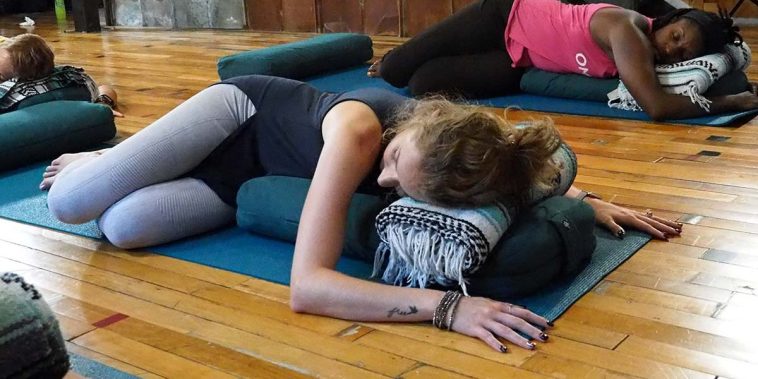
Rest is a vital part of yoga, and a bolster transforms rest from an afterthought into a central feature. At home, where practice often happens around busy schedules, restorative poses offer a way to downshift the nervous system without effort. A bolster supports the spine, hips, and chest in a way that encourages genuine release. Without it, restorative poses can feel improvised or incomplete.
The physical support of a bolster also creates mental permission to slow down. When the body feels fully held, the mind follows more easily. In longer holds, a bolster prevents unnecessary tension from creeping into muscles meant to soften. Over time, this makes restorative sessions feel as purposeful as dynamic ones.
Blankets That Adapt to Multiple Needs
Yoga blankets bring flexibility and comfort into home practice in a way few props can. They cushion joints, support seated postures, and provide warmth during relaxation. I often fold or roll a blanket to fine-tune height and support, especially under knees or hips. This adaptability makes blankets useful across a wide range of practices.
At home, blankets also help bridge the gap between effort and rest. They make transitions into relaxation smoother and more inviting. During slower sessions, a blanket can become part of the pose rather than just an accessory. Its simple presence adds a layer of care to the practice environment.
A Stable Surface for Balance Work
While the mat handles most of the work, balance-focused practices sometimes benefit from additional tools. A stable surface such as a balance pad or folded blanket challenges proprioception and strength in controlled ways. I use these tools sparingly, often during short sequences focused on stability. They add variety without overwhelming the session.
Balance tools also sharpen awareness. Standing on an unstable surface highlights habits and asymmetries that might go unnoticed on a flat mat. In a home setting, this kind of feedback becomes especially valuable. It encourages curiosity and attentiveness rather than repetition on autopilot.
A Dedicated Storage Solution
Organization may not seem like yoga gear, but it plays a significant role in maintaining a home practice. When mats, blocks, and straps have a clear place, setting up becomes quick and friction-free. I have noticed that clutter creates resistance, even on days when motivation is present. A simple rack, basket, or shelf keeps gear visible and accessible.
Storage also protects equipment from unnecessary wear. Mats dry properly when stored correctly, and props last longer when not tossed into corners. This sense of order reinforces the idea that practice time matters. The environment subtly supports consistency by removing small obstacles.
Lighting That Supports Focus and Mood
Lighting shapes the atmosphere of home practice more than many realize. Harsh overhead lights can feel jarring during slower sessions, while dim lighting may make active sequences feel sluggish. I prefer adjustable lighting that can shift with the tone of practice. Soft, warm light encourages relaxation, while brighter light supports alertness and precision.
Candles or lamps can also create a ritual-like quality without adding complexity. Changing the lighting signals the transition from daily tasks into practice time. This shift helps the mind settle more quickly. Over time, the association between lighting and movement deepens focus.
Sound Tools for Rhythm and Calm
Sound influences pacing, breath, and overall mood during home practice. Whether through music, a timer, or simple ambient noise, sound tools help structure sessions. I often use gentle music for flowing sequences and silence or nature sounds for restorative work. Having control over sound eliminates distractions common in shared spaces.
A simple speaker or sound system designed for clarity rather than volume works well. Clear audio allows cues or music to remain present without overpowering breath. Sound becomes a supportive backdrop rather than a focal point. This balance keeps attention rooted in the body.
A Wall or Clear Space for Support
Walls are underrated pieces of yoga equipment, especially at home. Clear wall space provides feedback for alignment, balance, and inversions. I often use the wall to explore poses safely or to rest legs during restorative shapes. Its presence expands the range of practice without adding extra props.
Ensuring enough clear space around the mat also matters. Freedom to move without adjusting furniture keeps sessions fluid. Even a small area can feel expansive when thoughtfully arranged. This spatial awareness supports confidence and ease in movement.
A Journal or Notebook for Reflection
While not physically involved in poses, a journal supports the mental side of home practice. Writing a few notes before or after sessions helps track patterns, challenges, and progress. I use journaling to reflect on energy levels, emotional shifts, or physical sensations. This habit deepens self-awareness over time.
Keeping a notebook near the practice space reinforces continuity. It turns isolated sessions into part of a larger journey. Reflection builds intention and clarity, which carry into movement. The practice becomes more than exercise and more than routine.
Comfortable Clothing That Allows Movement
Clothing plays a quiet but important role in home yoga. Comfortable, flexible fabrics allow movement without constant adjustment. At home, distractions from tight waistbands or slipping tops can break focus more easily than in a studio. I choose clothing that feels supportive without drawing attention.
Consistency in clothing also matters. Wearing designated practice clothes helps mark the transition into yoga time. This ritual creates a mental boundary between daily life and practice. Over time, the body associates certain clothing with movement and presence.
A Timer or Clock for Structure
Time awareness shapes how a session unfolds. A visible clock or timer removes the urge to check phones or guess how long remains. I use timers to support longer holds, balanced sequences, or dedicated rest periods. This structure encourages commitment without rushing.
At home, where interruptions are more likely, a timer reinforces boundaries. It signals that this period is reserved for practice. Even short sessions feel intentional when time is clearly defined. Structure supports consistency, especially on busy days.
Cleaning Supplies for Hygiene and Care
Maintaining clean gear contributes to both comfort and longevity. A gentle mat spray, cloth, or towel keeps equipment fresh and ready. I clean my mat regularly to preserve grip and prevent buildup. This routine also becomes part of closing the session.
Clean gear feels inviting. It removes subtle resistance that can come from odors or grime. Caring for equipment reinforces respect for the practice space. Small habits like this make returning to the mat easier day after day.
Final Thoughts
Must-have yoga gear for home practice is less about quantity and more about intention. Each item earns its place by supporting movement, rest, focus, or consistency. A thoughtfully assembled setup removes obstacles between intention and action. It creates an environment where practice feels accessible rather than demanding.
Home yoga thrives when gear works quietly in the background, offering support without distraction. Over time, these tools become familiar companions rather than accessories. With the right essentials in place, practice unfolds naturally, guided by presence, curiosity, and care.

GIPHY App Key not set. Please check settings