


 Chloe Davis
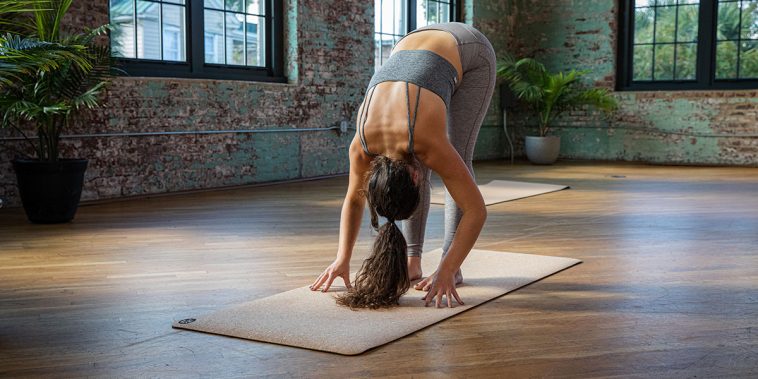
A solid yoga practice depends on more than poses and breath. The tools I use beneath and around me shape how safe, comfortable, and focused I feel every time I step onto the mat. Over time, yoga mats and accessories quietly wear down, often in ways that are easy to ignore until they start interfering with alignment, grip, or confidence. Paying attention to when gear has reached the end of its useful life has become part of how I care for my practice, just like warming up or resting when needed.
Replacing yoga gear is not about chasing trends or constantly buying new things. It is about recognizing when equipment no longer supports my body the way it once did. A mat that slips, blocks that feel unstable, or straps that have lost tension can subtly increase strain or distraction. Knowing the signs makes it easier to decide when replacement is an investment in safety and longevity rather than an unnecessary expense.
How Wear and Tear Affects Practice Quality
Yoga gear slowly changes with repeated use, cleaning, and exposure to sweat, heat, and sunlight. At first, the changes are minor, such as slightly less grip or a surface that feels thinner in certain spots. Over time, these small shifts add up and can affect balance, joint comfort, and overall confidence during practice. I have noticed that when gear degrades, my focus drifts toward compensating rather than moving with ease.
A worn mat or accessory can also alter alignment in subtle ways. Less cushioning under the knees or hands can increase pressure on joints, especially during longer holds or floor-based sequences. Slippery surfaces can cause micro-adjustments that pull attention away from breath and form. Replacing gear at the right time restores a sense of trust between body and equipment.
Signs Your Yoga Mat Has Reached Its Limit
The yoga mat tends to wear out faster than most other accessories because it absorbs constant pressure, moisture, and friction. One of the clearest signs is loss of grip, especially during standing poses or transitions. When hands or feet start sliding even after cleaning, the mat is no longer doing its job. I have learned that no amount of towel layering fully replaces a mat with reliable traction.
Another indicator is visible thinning or compression marks that do not bounce back. Areas where hands and feet land most often can become noticeably flatter, reducing support for wrists and joints. Cracks, peeling layers, or flaking surfaces also signal that the material is breaking down. At that point, continued use can become uncomfortable or even unsafe.
Odor and Hygiene Concerns in Aging Mats
Persistent odor is another sign that a yoga mat may need replacement. Over time, sweat and bacteria can build up inside the material, especially in mats that are more porous. Even with regular cleaning, some mats eventually retain smells that never fully fade. I see this as a signal that the mat has absorbed more than it can release.
Hygiene matters not just for comfort but also for skin health. Old mats can harbor bacteria or mold if they no longer dry properly between uses. When a mat smells musty shortly after cleaning or feels damp for long periods, it often means the material has broken down internally. Replacing it can restore peace of mind as well as freshness.
How Practice Frequency Impacts Replacement Timing
How often I practice plays a major role in how quickly gear wears out. A daily or near-daily practice puts much more stress on mats and accessories than occasional use. In studios or heated classes, increased moisture and friction accelerate breakdown even further. Someone practicing multiple times a week may need to replace a mat every year or two, while lighter use may extend that timeline.
Accessories follow a similar pattern. Blocks used frequently for weight-bearing poses compress faster, and straps stretched daily can lose elasticity. Paying attention to how gear responds after each session helps gauge its remaining lifespan. Replacement timing becomes less about strict schedules and more about performance changes.
When Yoga Blocks Stop Providing Stable Support
Yoga blocks are designed to offer stability, not wobble or sink unexpectedly. Foam blocks can compress over time, especially if they are used regularly to support body weight. When a block no longer holds its shape or feels uneven on the floor, it can compromise balance and alignment. I notice this most in standing poses where stability is essential.
Cork and wooden blocks tend to last longer, but they are not immune to wear. Cracks, chips, or rough edges can develop, making them uncomfortable or unsafe to grip. If a block feels slippery even when hands are dry, the surface may be worn smooth. Replacing blocks when they lose integrity helps maintain confidence in supported poses.
Straps That Have Lost Their Purpose
Yoga straps are often overlooked when assessing gear condition. Over time, fabric straps can stretch, fray, or lose tension, especially around buckles or loops. When a strap no longer holds securely or slips under light pressure, it stops serving its intended function. I find this particularly noticeable in flexibility-focused poses where reliable support matters.
Buckles and stitching deserve close attention as well. Metal or plastic hardware can weaken, bend, or crack with repeated use. Fraying edges or loose seams are warning signs that failure could happen suddenly. Replacing straps before they break prevents interruptions and potential strain during practice.
Bolsters and Cushions Showing Their Age
Bolsters play a big role in restorative and yin practices, where comfort and support are essential. Over time, bolsters can lose firmness as filling compresses or shifts unevenly. When a bolster no longer supports the spine or hips evenly, it changes the quality of rest and release in poses. I have noticed that older bolsters can make long holds feel less nourishing.
Outer covers also show wear through fading, thinning fabric, or stubborn stains. If the cover no longer fits snugly or the zipper struggles to close, it may be time for replacement. A well-supported bolster encourages relaxation rather than distraction, making timely replacement worthwhile.
Blankets and Towels Losing Effectiveness
Yoga blankets and towels are versatile tools, but they also wear out faster than expected. Repeated washing can thin fabric, reduce absorbency, or cause edges to unravel. When a blanket no longer folds neatly or feels uneven, it becomes harder to use for precise support. I rely on consistency from these props, especially in seated or restorative poses.
Towels used on mats can lose grip backing over time, causing them to bunch or slide. This not only disrupts practice but can also increase the risk of slipping. When towels no longer stay in place or absorb moisture effectively, replacing them improves both safety and comfort.
How Storage and Care Affect Longevity
Proper storage and care can extend the life of yoga gear, but they cannot stop wear forever. Mats stored in direct sunlight or damp environments degrade faster than those kept cool and dry. Accessories tossed into bags without airing out retain moisture that accelerates breakdown. I have found that small habits, like drying gear fully before storage, make a noticeable difference.
Cleaning routines also matter. Using harsh chemicals can damage materials, while infrequent cleaning allows buildup that weakens surfaces. Even with ideal care, however, materials eventually reach their limit. Recognizing when care is no longer enough helps prevent frustration during practice.
Emotional Attachment Versus Practical Needs
It is easy to grow attached to yoga gear that has been part of personal milestones or routines. A mat may carry memories of progress, challenges, or breakthroughs. While sentimental value is real, it should not override practical considerations. I remind myself that replacing gear does not erase experiences tied to it.
Honoring practice sometimes means letting go of tools that no longer serve the body well. New gear can support growth just as effectively, if not more so. Viewing replacement as a natural transition helps maintain a healthy relationship with both practice and equipment.
Budget-Friendly Replacement Strategies
Replacing yoga gear does not always mean buying everything at once. Prioritizing the most worn or essential items keeps costs manageable. I usually start with the mat, then address accessories that directly affect safety and comfort. Gradual replacement spreads expenses while maintaining practice quality.
Watching for sales, discounts, or seasonal offers can also help. Some brands offer recycling programs or trade-in discounts for old mats. Exploring these options makes replacement more accessible without compromising on quality or sustainability.
How Practice Evolution Influences Gear Needs
As practice evolves, gear needs often change alongside it. A mat that suited gentle flows may not support more dynamic sequences later on. Accessories once used frequently may become less relevant, while others gain importance. I see replacement not just as wear-related but also as alignment with current practice goals.
Evaluating gear through the lens of present needs ensures that replacements truly support growth. This approach prevents unnecessary purchases while encouraging mindful upgrades. Gear becomes a reflection of where practice is now rather than where it once was.
Final Thoughts
Knowing when to replace yoga mats and accessories is an essential part of maintaining a safe, supportive, and enjoyable practice. Wear and tear show up in subtle ways long before gear completely fails, and paying attention to these signs protects both body and focus. Regularly assessing condition, hygiene, and performance keeps tools aligned with physical needs.
Replacing gear is not about excess but about respect for the practice and the body that moves through it. Fresh, reliable equipment restores confidence and allows attention to return to breath, alignment, and presence. In that sense, timely replacement becomes another form of self-care woven into the rhythm of yoga.



GIPHY App Key not set. Please check settings