

 Chloe Davis
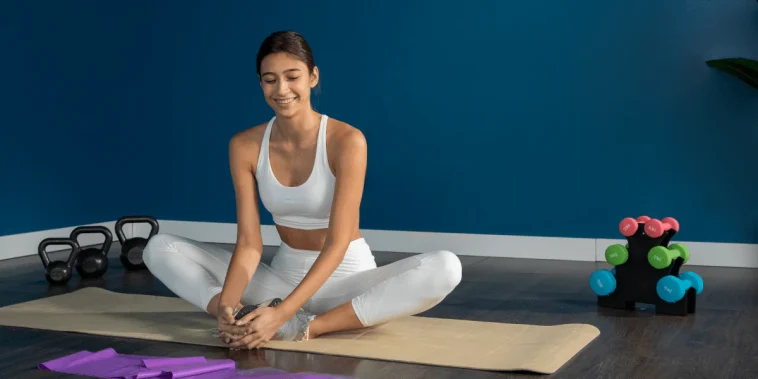
A yoga mat is one of the few pieces of equipment that directly shapes how a practice feels from the first pose to the final rest. The texture under my hands, the way my feet grip during standing poses, and even how supported my joints feel in seated work all come back to the mat beneath me. Over time, I have realized that a yoga mat is not just a surface but a quiet partner that can either support consistency or create small frustrations that build over time. Finding the right one can transform how grounded and confident each session feels.
Many people assume that all yoga mats serve the same purpose, but subtle differences matter more than they appear at first glance. Thickness, material, texture, and even weight influence balance, comfort, and stability in ways that only become obvious after regular use. A mat that feels fine in a shop can behave very differently once sweat, movement, and repeated pressure are involved. Paying attention to these details early saves time, money, and unnecessary discomfort later on.
How Your Practice Style Shapes Your Mat Needs
The way I practice yoga has always guided what I look for in a mat. A slow, floor-based session places very different demands on a surface than a dynamic, heat-building flow. Each style emphasizes certain qualities, and the mat needs to support those priorities rather than work against them.
For slower practices that involve long holds and plenty of seated or reclined poses, cushioning becomes especially important. Pressure builds gradually in the knees, hips, and spine, and a mat with enough padding helps reduce strain over time. Stability still matters, but comfort tends to take center stage during these styles.
More dynamic practices demand a different approach. Fast transitions, standing balances, and repetitive movement place a premium on grip and responsiveness. A mat that slides or compresses too much can disrupt focus and make poses feel less secure. In these cases, firmness and traction often matter more than plushness.
Material Choices and How They Affect Performance
Yoga mat materials influence everything from grip to durability and even smell. Over the years, I have practiced on mats made from PVC, natural rubber, cork, and newer eco-friendly blends, and each one brought a distinct experience to the mat. Material choice is often where personal preference and practical needs intersect.
PVC mats are common because they are affordable, durable, and easy to clean. They tend to offer consistent grip and hold up well over time, especially for regular practice. Some people dislike the synthetic feel or environmental impact, but from a performance standpoint, they remain reliable and predictable.
Natural rubber mats provide excellent traction, especially during sweaty sessions. The grip often improves as moisture builds, which can be reassuring during challenging flows. These mats usually feel heavier and denser, and some people notice a rubber scent at first, but many practitioners appreciate the stability they offer.
Cork and other natural fiber surfaces feel unique under the hands and feet. Cork mats often start slightly slick and become grippier with moisture, making them popular for hot yoga. They also tend to stay cooler to the touch, which can be refreshing during intense sessions. Durability and maintenance vary, so care instructions matter with these materials.
Thickness and Cushioning Considerations
Mat thickness is one of the first things people notice, yet it is often misunderstood. More padding does not automatically mean better support, especially when balance and stability come into play. Finding the right thickness means balancing comfort with control.
Thicker mats can be kind to sensitive joints, particularly during kneeling or seated poses. They absorb impact well and create a softer experience overall. However, too much cushioning can make it harder to feel grounded, especially in standing poses where connection to the floor supports alignment.
Thinner mats provide a closer connection to the ground, which can enhance balance and precision. They are often favored by experienced practitioners who prioritize stability and clear feedback from the floor. The trade-off is reduced cushioning, which may require additional support like folded blankets for certain poses.
Grip, Texture, and Surface Feel
Grip is one of those qualities that only reveals itself fully during practice. A mat that feels fine when dry may behave very differently once hands and feet start to sweat. Surface texture plays a major role in how secure poses feel from start to finish.
Smooth mats tend to feel comfortable and gentle on the skin, but they can become slippery during intense sessions. Textured surfaces provide extra traction by creating friction points that help hands and feet stay in place. The pattern and depth of this texture influence how noticeable it feels during practice.
Some mats rely on material composition rather than texture to create grip. Natural rubber and cork surfaces often improve with moisture, offering a different kind of security. Paying attention to how a mat handles sweat can prevent frustration during longer or more demanding practices.
Weight and Portability Factors
A yoga mat’s weight may not seem important until it needs to be carried regularly. Walking to class, traveling, or commuting with a mat quickly highlights the difference between lightweight and heavy options. Portability becomes part of the overall experience, not just an afterthought.
Heavier mats often feel more stable and durable. They tend to lie flat without curling and provide a sense of solidity during practice. This can be reassuring, especially for strong or dynamic styles that involve a lot of movement.
Lighter mats are easier to transport and store, making them appealing for people who practice in multiple locations. They may sacrifice some cushioning or durability, but the convenience can outweigh those drawbacks. Matching the mat’s weight to lifestyle habits makes regular practice easier to maintain.
Durability and Long-Term Use
A yoga mat is an investment that ideally supports practice for years rather than months. Durability depends on material quality, construction, and how often the mat is used. Wear patterns often appear first in high-pressure areas like hands and feet.
Higher-quality mats tend to maintain their grip and shape over time. They resist peeling, stretching, and flattening even with frequent use. While they often cost more upfront, they can be more economical in the long run by avoiding frequent replacements.
Lower-cost mats may show signs of wear more quickly, especially with daily practice. Loss of grip or uneven compression can subtly affect alignment and comfort. Paying attention to durability helps ensure that the mat remains supportive rather than becoming a distraction.
Hygiene, Cleaning, and Maintenance
A yoga mat absorbs more than movement. Sweat, oils, and dust build up over time, making hygiene an important consideration. How easy a mat is to clean influences how fresh and inviting it feels session after session.
Some materials handle moisture and cleaning solutions better than others. Closed-cell mats resist absorption, making them easier to wipe down after practice. Open-cell mats may offer superior grip but require more attentive care to prevent odors or bacteria buildup.
Regular cleaning extends a mat’s lifespan and improves the overall practice experience. A simple routine using gentle soap and water can make a noticeable difference. Understanding care requirements before buying helps avoid frustration later on.
Environmental Impact and Ethical Considerations
Many practitioners care about how their equipment is made and disposed of. Yoga often encourages mindfulness beyond the mat, and material choices can reflect those values. Environmental impact varies widely across different mat options.
Natural and biodegradable materials appeal to those looking to reduce their ecological footprint. These mats may break down more easily at the end of their life cycle, but they can require more careful handling during use. Durability and sustainability sometimes need to be balanced thoughtfully.
Synthetic mats often last longer and perform consistently, but their environmental cost is higher. Some manufacturers now offer recycled or responsibly produced options that bridge the gap. Researching brands and materials can align purchasing decisions with personal values.
Personal Comfort and Sensory Experience
Beyond technical features, a yoga mat creates a sensory environment that shapes practice. Color, texture, and even smell influence how inviting the mat feels when unrolled. These subtle factors can affect motivation and enjoyment more than expected.
A mat that feels pleasant under the hands encourages longer holds and deeper focus. Harsh textures or lingering odors can become distractions over time. Comfort is not just physical but psychological, supporting a sense of ease during practice.
Personal preference plays a significant role here. What feels grounding to one person may feel restrictive to another. Paying attention to these details honors the individuality of each practice.
Budget and Value Balance
Price often enters the conversation early, but value matters more than cost alone. A mat that meets specific needs can be worth more than a cheaper option that requires frequent replacement. Thinking long term helps put pricing into perspective.
Higher-priced mats often combine durability, performance, and comfort in a way that supports regular practice. They may include thoughtful design elements that become more noticeable with time. For dedicated practitioners, this can feel like a worthwhile investment.
More affordable mats still serve an important role, especially for beginners or occasional practice. They provide a chance to explore preferences without a large commitment. Matching budget to practice frequency creates a balanced approach.
Final Thoughts
Selecting the right yoga mat for your practice is a personal process shaped by movement style, physical needs, and daily habits. Each element, from material to thickness, contributes to how supported and focused practice feels over time. Paying attention to these details transforms the mat from a simple accessory into a reliable foundation.
A thoughtful choice encourages consistency by removing small obstacles that can disrupt flow. Comfort, stability, and ease work together to create an environment where practice can evolve naturally. Over time, the right mat becomes familiar and trusted, supporting both effort and rest.
Ultimately, a yoga mat should feel like it belongs in your practice. When the surface beneath you supports movement rather than distracting from it, attention turns inward where yoga truly unfolds.



Very good i like it
What happend i dont know