

 Chloe Davis
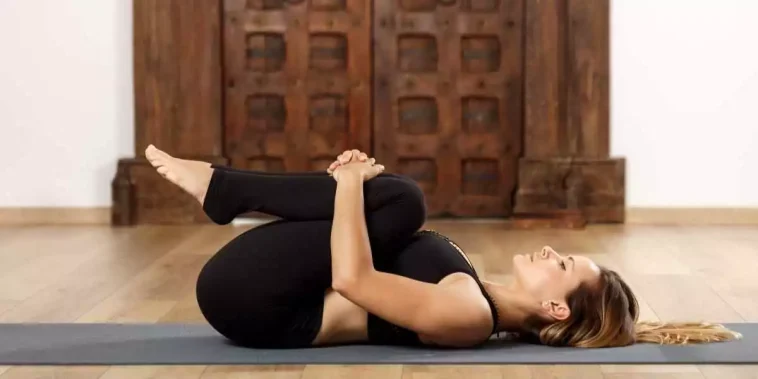
Life has a way of pulling the body and mind in different directions at the same time. Mental overload builds quietly through constant input, while physical tension settles in through posture, stress, and repetitive movement. Yoga offers a way to reset both systems together instead of treating them as separate problems. A reset does not mean starting over, but rather returning to a more balanced baseline where clarity and ease feel accessible again.
Using yoga for a mental and physical reset is less about intensity and more about intention. The practice creates space to pause, reorganize, and release patterns that no longer serve the body or mind. Over time, this reset becomes something I can return to whenever life feels scattered or overwhelming.
What a Reset Really Means in Yoga
A reset is not about erasing stress or fatigue completely. It is about shifting out of accumulation and back into balance. Yoga supports this by addressing both physical tension and mental noise at the same time.
The body and mind influence each other constantly. Physical tightness can cloud focus, while mental stress can create muscle tension. Yoga works on both ends of this loop, making reset feel integrated rather than fragmented.
Why Mental and Physical Resets Need to Happen Together
Mental stress rarely resolves fully without physical release. The body often holds onto the signals of stress even after the mind tries to move on. Yoga provides a physical outlet that supports mental clarity.
Likewise, physical recovery feels incomplete when the mind remains overstimulated. Yoga slows down mental activity through breath and awareness. Resetting both systems together creates longer-lasting results.
Starting With Sensation Instead of Thought
A reset often begins by shifting attention away from constant thinking and toward sensation. Yoga encourages noticing breath, muscle engagement, and subtle movement without judgment. This sensory focus interrupts mental loops naturally.
By grounding attention in the body, the mind gets a break from analysis and planning. Thoughts still arise, but they carry less urgency. This shift creates the first layer of mental reset.
Using Breath to Signal Safety
Breath is one of the most effective tools for resetting both body and mind. Slow, steady breathing communicates safety to the nervous system. Yoga emphasizes breath as a guide rather than a background detail.
Lengthening exhalations helps calm internal tension. The body responds by softening muscles and slowing heart rate. Over time, breath becomes a reliable reset tool even outside of practice.
Releasing Physical Tension Through Gentle Movement
Physical reset begins with releasing areas that hold chronic tension. Yoga uses slow, controlled movement to address these patterns without force. Gentle stretching allows muscles to relax gradually.
This release improves circulation and joint comfort. As the body softens, mental tension often follows. Physical ease creates space for mental clarity.
Resetting the Nervous System Through Pace
The pace of yoga matters as much as the poses themselves. Slow transitions and longer holds encourage nervous system regulation. Fast movement can stimulate the body, while slower pacing promotes reset.
A calm pace teaches the body that it does not need to rush. This lesson carries into daily life. Over time, the nervous system learns how to downshift more easily.
Letting Go of Performance During Reset Practices
Reset-focused yoga is not about achieving shapes or progressing poses. Letting go of performance reduces internal pressure. The practice becomes supportive rather than demanding.
This shift allows the body to move honestly rather than forcefully. Mental stress tied to achievement begins to fade. Reset happens when effort and expectation soften.
Creating Space for Stillness
Movement prepares the body for stillness, but stillness is where integration happens. Resting poses allow the nervous system to fully absorb the effects of practice. Mental chatter often quiets during these moments.
Stillness teaches comfort with pause. The mind learns that nothing needs to be fixed immediately. This experience is central to a true reset.
How Yoga Interrupts Mental Overload
Mental overload thrives on constant input and reaction. Yoga simplifies focus to breath and movement. This simplicity reduces cognitive demand.
By narrowing attention, yoga gives the mind a chance to rest. Clarity often emerges naturally rather than being forced. Reset feels like relief instead of effort.
Using Repetition to Calm the Mind
Repeating familiar movements creates predictability. Predictability reduces anxiety and mental fatigue. Yoga sequences that repeat shapes or flows support this effect.
The mind relaxes when it knows what comes next. This allows deeper presence and less resistance. Repetition becomes soothing rather than boring.
Supporting Emotional Release Without Forcing It
Emotions often surface during reset practices, especially when tension releases. Yoga allows emotions to pass through without needing interpretation. Sensation becomes the focus rather than story.
This non-reactive space supports emotional balance. Feelings settle naturally instead of being suppressed or exaggerated. Emotional reset becomes gentle and sustainable.
Physical Reset Through Joint and Spine Care
The spine and joints absorb much of daily stress. Yoga moves these areas through varied ranges to restore comfort and mobility. Gentle twists, bends, and extensions support spinal health.
Joint movement encourages lubrication and ease. Physical reset feels noticeable as stiffness reduces. Comfortable movement supports mental relaxation.
How Balance Poses Support Mental Reset
Balance poses require present-moment attention. The mind cannot wander far without losing stability. This focus acts as a mental reset button.
Balancing also builds confidence and steadiness. The nervous system learns how to stay calm under mild challenge. This translates into better stress management off the mat.
Resetting After Long Periods of Sitting
Modern life often involves extended sitting, which affects posture and breathing. Yoga counteracts this by opening hips, chest, and spine. Movement restores circulation and alignment.
As posture improves, breathing deepens. Mental fog often lifts with physical openness. Reset becomes both physical and cognitive.
Using Yoga to Transition Between States
Transitions between work, rest, or activity can feel abrupt without a reset. Yoga creates a buffer that allows the body and mind to shift smoothly. This reduces residual stress from previous tasks.
Short reset practices help close one chapter before starting another. The nervous system appreciates this clarity. Transitions become less draining and more intentional.
Resetting Energy Levels Without Stimulation
Energy does not always need stimulation to return. Yoga restores energy by removing blocks rather than adding intensity. Gentle movement and breath often increase vitality naturally.
This balanced energy feels steady rather than jittery. Mental clarity improves without overstimulation. Reset supports sustainable energy instead of short bursts.
Creating a Sense of Internal Order
Stress often feels like internal chaos. Yoga brings order through structured movement and breath. This structure reassures the nervous system.
Order within the body reflects in the mind. Thoughts feel less scattered. Reset becomes a process of reorganization rather than escape.
Short Reset Practices Versus Longer Sessions
Both short and long yoga sessions can support reset. Short practices offer quick recalibration, while longer sessions allow deeper release. The key is matching the practice to current needs.
Consistency matters more than duration. Even brief resets reinforce balance when practiced regularly. Yoga adapts easily to available time.
Adapting Reset Practices to Daily Life
Reset does not require a full class or perfect setting. Simple stretches, breathing pauses, or mindful movement can be integrated into daily routines. These moments reinforce nervous system regulation.
Frequent small resets prevent stress from accumulating. The body stays closer to baseline. Yoga becomes a living practice rather than a scheduled event.
Listening Instead of Forcing Change
A reset practice listens to the body instead of imposing goals. Sensations guide movement choices. This listening builds trust and awareness.
Forcing change often adds stress. Reset thrives on cooperation rather than control. The body responds positively when it feels respected.
Resetting the Mind Through Attention to Rhythm
Rhythm plays a quiet role in mental reset. Coordinating breath with movement creates internal rhythm. This rhythm steadies attention.
As rhythm settles, mental noise softens. The mind follows the body’s pace. Reset becomes almost automatic through repetition.
Ending Reset Practices With Integration
The end of a reset practice matters as much as the beginning. Allowing time for rest helps integrate changes. This integration supports lasting effects.
Rushing out of practice can disrupt the reset. A few minutes of stillness anchors calm. The benefits carry forward into the rest of the day.
Final Thoughts
Using yoga for a mental and physical reset is about restoring balance rather than fixing flaws. Through breath, movement, and stillness, the body and mind learn how to return to a calmer baseline. Reset becomes a skill that grows stronger with use.
A sustainable reset practice adapts to changing needs. Yoga provides the flexibility to meet those needs without pressure. Over time, reset becomes less of an emergency response and more of a natural rhythm within daily life.



GIPHY App Key not set. Please check settings