
 Chloe Davis
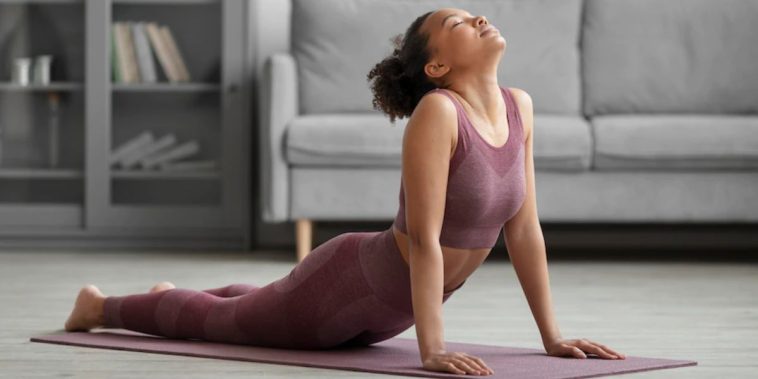
Shallow breathing quietly shapes the way a yoga practice feels, moves, and evolves. I see it not as a small habit, but as a pattern that seeps into balance, strength, focus, and even confidence on the mat. Breath is the bridge between effort and ease, yet it often becomes the most neglected part of practice. Without realizing it, many postures are approached with tight chests, hurried inhales, and clipped exhales that never fully land.
Over time, this kind of breathing narrows what yoga can offer. Postures feel harder than they need to, transitions lose fluidity, and the mind becomes restless instead of steady. Progress stalls not because of lack of flexibility or strength, but because the breath is working against the body instead of with it. Recognizing how shallow breathing limits yoga progress changes the entire relationship with movement, stillness, and self-awareness.
How Shallow Breathing Shows Up On The Mat
Shallow breathing often hides in plain sight during practice. It shows up as lifted shoulders during inhalation, tension around the neck, or a ribcage that barely expands. Instead of breath traveling downward, it stays trapped high in the chest, creating a sense of constant effort. Even in familiar poses, the body feels like it is bracing rather than settling.
I notice this most during challenging sequences or long holds. The breath becomes quick and incomplete, as if the body is trying to rush through discomfort instead of meeting it. Over time, this pattern turns into a default response, making even gentle flows feel demanding. The mat becomes a place of subtle struggle rather than exploration.
The Nervous System And Breath Depth
Breathing patterns speak directly to the nervous system. Shallow breathing signals alertness and stress, keeping the body in a mild fight-or-flight state. This response is useful in emergencies, but counterproductive in yoga, where awareness and regulation matter more than reaction. When breath stays shallow, the nervous system never fully settles.
A calm, deep breath activates the parasympathetic response, encouraging relaxation and clarity. Without this shift, the mind stays busy and the body resists release. I have found that even physically restorative poses lose their soothing quality when breath remains short. Progress in yoga depends as much on nervous system regulation as it does on physical ability.
Physical Limitations Created By Shallow Breathing
Shallow breathing restricts movement in ways that are easy to miss. Limited ribcage expansion reduces spinal mobility, especially in twists and backbends. The diaphragm cannot move freely, which affects posture and core engagement. Over time, this creates a ceiling on strength and flexibility that no amount of stretching can fix.
I have experienced poses plateauing not because my body reached its limit, but because my breath did. Without full exhales, muscles never fully relax, making depth feel forced. In strength-based postures, shallow breathing leads to early fatigue and shaky balance. The body works harder, yet achieves less.
Breath And Balance Are Closely Linked
Balance poses reveal breathing habits quickly. When breath is shallow, the body searches for stability through tension. The jaw clenches, toes grip the mat, and shoulders stiffen. Balance becomes a fight rather than a conversation between body and breath.
Deeper breathing creates a sense of groundedness that cannot be faked. Each slow exhale signals safety, allowing subtle adjustments to happen naturally. I have noticed that balance improves not by muscling through, but by breathing down into the feet and legs. Shallow breathing cuts off this connection, making balance feel unreliable and fragile.
The Impact On Endurance And Stamina
Yoga endurance depends on efficient energy use. Shallow breathing wastes energy by relying on accessory muscles in the neck and chest. This creates unnecessary fatigue, especially in longer practices or slow flows. The body tires not from effort, but from inefficiency.
When breath deepens, oxygen delivery improves and movements feel more sustainable. I can hold poses longer without strain and move through sequences with less exhaustion. Shallow breathing limits yoga progress by capping stamina, making consistent practice feel draining instead of nourishing.
Mental Focus And Breath Quality
The mind follows the breath closely. Shallow breathing keeps attention scattered, jumping between discomfort and distraction. Thoughts race ahead, counting seconds or anticipating the next pose. This mental noise pulls awareness away from the present moment.
Deeper breathing anchors attention. Each inhale and exhale becomes a point of focus, quieting internal chatter. I have found that challenging poses become more manageable when breath is steady and full. Shallow breathing breaks this focus, turning practice into a series of mental negotiations rather than a unified experience.
Emotional Tension Stored In Shallow Breaths
Breath carries emotional patterns as much as physical ones. Shallow breathing often accompanies suppressed emotions, guardedness, or chronic stress. The chest becomes a place of holding rather than openness. Over time, this affects how certain poses feel emotionally as well as physically.
Heart openers, for example, can feel overwhelming or inaccessible when breath stays shallow. I have noticed resistance arise not from the pose itself, but from the breath refusing to expand. Allowing deeper breathing creates space for emotional release, while shallow breathing reinforces internal barriers.
How Shallow Breathing Disrupts Flow
Flow relies on rhythm, and breath sets that rhythm. When breathing is shallow, movements lose their natural timing. Transitions feel rushed or awkward, and the sense of continuity fades. Instead of moving with breath, the body moves despite it.
I experience flow most clearly when breath leads and movement follows. Each inhale lifts, each exhale grounds. Shallow breathing breaks this relationship, making sequences feel choppy and disconnected. Yoga progress thrives on flow, and shallow breathing undermines it at every turn.
Strength Poses And Breath Suppression
In demanding strength poses, breath is often the first thing sacrificed. The body instinctively holds or shortens the breath to brace against effort. While this may feel stabilizing in the moment, it creates unnecessary tension and reduces endurance.
I have learned that steady breathing actually enhances strength. It distributes effort evenly and prevents localized strain. Shallow breathing limits yoga progress by turning strength poses into battles rather than expressions of controlled power.
Flexibility Is More Than Stretching
Flexibility improves when muscles feel safe enough to release. Shallow breathing signals the opposite, keeping muscles in a protective state. Stretching becomes superficial, reaching only the outer layers of tissue.
Deep, slow breathing invites relaxation into the body. I have noticed that flexibility increases more during calm, breath-focused sessions than during aggressive stretching. Shallow breathing blocks this process, making flexibility gains slow and inconsistent.
Awareness Of Habitual Breathing Patterns
Many breathing habits formed long before stepping onto a yoga mat. Desk work, stress, and posture all influence breath depth. Yoga often reveals these patterns rather than creating them. Shallow breathing becomes visible because practice asks for stillness and attention.
I see this awareness as a turning point. Once breathing habits are noticed, they can be gently reshaped. Ignoring them allows old patterns to dictate progress. Yoga becomes far more effective when breath awareness extends beyond poses and into daily life.
The Role Of Exhalation In Release
Exhalation is often overlooked, yet it plays a crucial role in relaxation. Shallow breathing usually means incomplete exhales. Air lingers in the lungs, preventing a full, nourishing inhale from following.
I focus on lengthening the exhale to encourage release. This simple shift softens tension in the shoulders, jaw, and hips. Shallow breathing limits yoga progress by skipping this essential step, keeping the body perpetually half-engaged and half-held.
Breath As A Teacher In Discomfort
Discomfort is inevitable in yoga, but breath determines how it is met. Shallow breathing amplifies discomfort by creating resistance. The mind fixates on escape rather than observation.
When breath deepens, discomfort becomes informative instead of threatening. I can stay present, noticing sensations without reacting. This skill translates directly into progress, both on and off the mat. Shallow breathing removes this opportunity for growth.
Consistency And Recovery Depend On Breath
Recovery between practices relies on the body’s ability to downshift into rest. Shallow breathing prolongs tension, making recovery slower and less complete. Muscles remain partially activated, and the nervous system stays alert.
I notice that deep breathing during and after practice improves sleep and reduces soreness. Yoga progress depends on consistency, and consistency depends on recovery. Shallow breathing quietly sabotages this cycle.
Reframing Progress Through Breath
Progress in yoga is often measured by poses achieved or depth reached. Breath reframes this perspective. A steady, full breath in a simple pose can represent more progress than a strained version of an advanced one.
I have learned to view breath as a measure of readiness. If breathing remains calm and deep, the pose is appropriate. Shallow breathing signals a need to adjust, not push. This mindset protects the body and supports sustainable growth.
Integrating Breath Beyond The Mat
Breathing patterns practiced in yoga spill into daily life. Shallow breathing during practice reinforces shallow breathing elsewhere. Stress responses become habitual, and relaxation feels elusive.
By deepening breath on the mat, I notice changes off it as well. Conversations slow, posture improves, and stress feels more manageable. Yoga progress becomes holistic rather than confined to poses. Shallow breathing limits this broader transformation.
Final Thoughts
Shallow breathing limits yoga progress in ways that extend far beyond lung capacity. It influences strength, flexibility, focus, emotional awareness, and recovery. Addressing it does not require forcing the breath, but inviting it to deepen naturally through attention and patience.
Yoga becomes more spacious when breath is allowed to lead. Each pose transforms from a shape to hold into an experience to inhabit. By shifting away from shallow breathing, progress unfolds steadily, grounded in awareness rather than effort alone.

GIPHY App Key not set. Please check settings