
 Chloe Davis
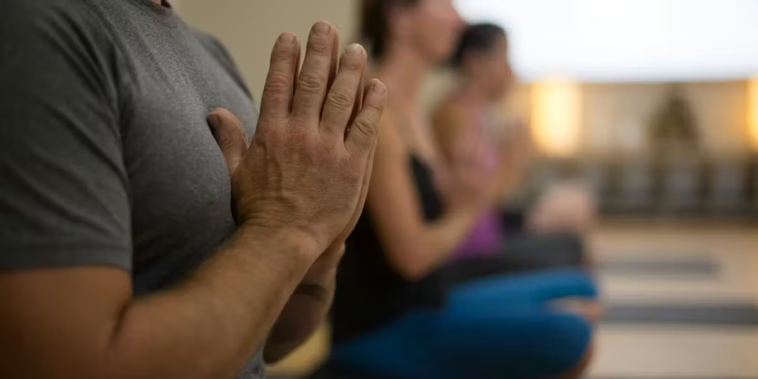
Breath shapes the entire experience of restorative yoga long before the body settles into stillness. The way air moves in and out of the lungs influences how safe, calm, and supported the nervous system feels in each pose. I have noticed that even the most carefully arranged props and postures feel incomplete without conscious breathing guiding the practice.
Restorative yoga invites the body to rest deeply, but it is the breath that teaches the mind how to follow. Without deliberate breathing, the body may appear relaxed while the mind continues to rush ahead. Through steady attention to breath, restorative yoga becomes a conversation between body and awareness rather than a passive stretch session.
Breath as the Foundation of Restorative Practice
Restorative yoga is often described as slow and gentle, yet its impact can be profound when breath leads the experience. I rely on breath to signal to my nervous system that it is safe to soften, release, and pause. Each inhale and exhale acts as a quiet instruction that guides the body toward rest.
In these long-held poses, movement is minimal, so breath becomes the primary focus. The absence of physical effort highlights subtle shifts in breathing patterns that might otherwise go unnoticed. Over time, I have found that paying attention to these patterns reveals how deeply stress can influence even the simplest breath.
How Breath Influences the Nervous System
The nervous system responds quickly to breathing rhythms, especially during stillness. Slow, steady breathing encourages the parasympathetic response, which supports rest, digestion, and recovery. I often feel a noticeable drop in mental noise once my breath settles into a calm and even rhythm.
In restorative yoga, the breath acts as a bridge between conscious intention and automatic bodily responses. The body listens closely to breath cues, adjusting heart rate and muscle tone accordingly. This connection allows restorative poses to work on a deeper level than flexibility alone.
Slowing the Breath to Encourage Release
Restorative yoga naturally invites slower breathing due to its relaxed structure. I intentionally lengthen my exhale to signal that it is time to let go of effort. This gentle slowing creates space for tension to dissolve without force.
The extended stillness of restorative poses makes it easier to notice how quickly the breath can become shallow under stress. By consciously slowing the breath, I can soften areas that resist relaxation. Over time, this practice retrains the body to respond more calmly even outside the yoga space.
Breath Awareness in Supported Poses
Supported poses allow the body to rest fully, but breath awareness ensures that rest is active rather than passive. I use the sensation of breath moving through the ribcage and belly as an anchor for attention. This focus prevents the mind from drifting into restlessness or distraction.
As the body settles into props, breathing becomes more spacious. I notice subtle expansions and contractions that feel nourishing rather than forced. This awareness transforms each pose into a meditative experience rooted in sensation rather than thought.
The Emotional Impact of Breath in Stillness
Restorative yoga often brings emotional responses to the surface, and breath provides a steady companion through those moments. I have experienced waves of emotion rise unexpectedly during long holds. Maintaining steady breathing helps me stay present without becoming overwhelmed.
The breath creates a sense of continuity when emotions shift. Each inhale and exhale offers reassurance that it is safe to remain still. This emotional regulation is one of the most powerful benefits of focusing on breath during restorative yoga.
Breath as a Tool for Mental Clarity
Mental clarity emerges naturally when the breath slows and steadies. In restorative yoga, I notice thoughts becoming less urgent and more spacious. The breath acts like a gentle filter, allowing essential thoughts to pass while easing mental clutter.
This clarity does not come from controlling thoughts but from creating conditions where they settle on their own. Breath provides those conditions by calming the nervous system. Over time, this clarity extends beyond the mat and into daily decision-making.
Synchronizing Breath With Stillness
Unlike dynamic practices, restorative yoga emphasizes stillness rather than movement. Breath becomes the rhythm that replaces physical flow. I often sense a quiet harmony between my breathing and the supportive shape of each pose.
This synchronization creates a feeling of being held rather than doing. The breath adapts naturally to the stillness, becoming softer and more refined. That refinement supports deeper rest without requiring effort or control.
Releasing Habitual Tension Through Breathing
Habitual tension often hides in subtle areas like the jaw, shoulders, and diaphragm. Restorative yoga offers time and space to notice these patterns. I use slow breathing to gently invite these areas to release without forcing change.
Each exhale becomes an opportunity to soften a specific region. Over time, this practice builds awareness of how tension accumulates during daily life. Breath becomes a reliable tool for unwinding these patterns both on and off the mat.
The Role of Pauses Between Breaths
The natural pause between inhale and exhale holds particular importance in restorative yoga. I pay close attention to these moments of stillness. They often reveal a sense of calm that feels deeper than movement or effort.
These pauses encourage trust in the body’s natural rhythm. Rather than rushing to the next breath, I allow space for silence. This approach cultivates patience and a deeper appreciation for rest.
Breath and the Sense of Safety
A sense of safety is essential for restorative yoga to be effective. Breath plays a key role in establishing that safety. I find that steady breathing reassures the body, allowing it to relax more fully into support.
When the breath feels smooth and unforced, the body responds with openness. This response allows muscles to soften and the mind to quiet. Over time, breath becomes a signal that it is safe to rest deeply.
Cultivating Presence Through Breath
Presence is not something I force during restorative yoga. Instead, it arises naturally through attention to breath. Each breath anchors awareness in the present moment, reducing the pull of past and future concerns.
This gentle presence feels expansive rather than restrictive. Breath keeps the mind engaged without tension. Over time, this practice strengthens the ability to remain present in everyday situations.
Breath as a Guide Through Long Holds
Long holds can feel challenging without an anchor. Breath provides that guidance. I often count or subtly track my breathing to remain engaged during extended stillness.
This approach transforms time into a series of breaths rather than minutes. Each breath becomes meaningful and supportive. The pose feels less like waiting and more like resting with intention.
The Relationship Between Breath and Energy
Energy levels often shift during restorative yoga, and breath influences those shifts. Slow breathing supports steady energy rather than sudden drops. I notice a balanced sense of alertness alongside deep relaxation.
This balance prevents restorative yoga from feeling dull or draining. Breath maintains a gentle awareness that keeps the mind awake while the body rests. This quality makes the practice both restorative and refreshing.
Using Breath to Transition Out of Poses
Transitions matter just as much as the poses themselves. I use breath to move slowly and mindfully when coming out of restorative shapes. This approach prevents abrupt shifts that can disrupt the nervous system.
By coordinating movement with breath, the body remains calm during transitions. This continuity supports the overall sense of ease cultivated during practice. Breath ensures that rest carries through every phase of the session.
Breath Awareness Beyond the Mat
The benefits of breath-focused restorative yoga extend into daily life. I notice that stressful situations feel more manageable when I return to slow breathing. The body remembers the calm cultivated during practice.
This awareness encourages mindful pauses throughout the day. Breath becomes a tool for grounding during moments of overwhelm. Over time, restorative yoga reshapes how I respond to stress on a fundamental level.
Final Thoughts
The role of breath in restorative yoga reaches far beyond relaxation. Breath guides the nervous system, supports emotional balance, and deepens the sense of rest available in each pose. Through consistent attention to breathing, restorative yoga becomes a powerful practice of renewal rather than passive rest.
I continue to return to breath as the most reliable teacher in restorative yoga. It offers clarity without effort and calm without force. By honoring the breath, restorative yoga reveals its full potential as a practice of deep healing and presence.



GIPHY App Key not set. Please check settings