


 Chloe Davis

Slow breathing has a quiet way of changing how the body feels from the inside out. Without dramatic effort or visible movement, it influences heart rate, muscle tone, digestion, and mental state. I have noticed that whenever life feels rushed or overwhelming, my breathing is usually moving faster than my body actually needs. Slowing it down brings an immediate sense of order, as if the body remembers how to regulate itself again.
The nervous system responds to breath more directly than to almost anything else. Thoughts may take time to settle, but breathing patterns can shift the body’s internal signals within moments. Slow breathing creates conditions where the nervous system feels supported instead of pressured. Over time, this support builds resilience rather than temporary relief.
The Nervous System Responds to Rhythm
The nervous system thrives on rhythm and predictability. Sudden or erratic signals tend to activate alert responses, while steady rhythms promote regulation. Slow breathing introduces a consistent pattern that the body can trust. This rhythm becomes a reference point for balance.
I feel this most clearly when stress has disrupted my internal timing. Thoughts race, muscles tighten, and breathing speeds up without permission. Introducing a slower rhythm through breathing gives the nervous system something stable to follow. That stability gradually spreads throughout the body.
Slow Breathing Signals Safety
Safety is the foundation of nervous system health. When the body senses threat, even subtle or imagined, it shifts into protective mode. Slow breathing sends a signal that danger has passed or was never present. This signal allows defensive responses to soften.
I notice how my shoulders drop and my jaw relaxes when breathing slows. These changes happen without conscious instruction. The body interprets slow breathing as a sign that vigilance is no longer required. This response creates space for recovery and restoration.
Heart Rate and Breath Move Together
Heart rate and breathing are closely linked. Faster breathing often increases heart rate, while slower breathing encourages it to settle. This connection plays a major role in nervous system regulation. A calmer heart rhythm supports overall balance.
I have felt my heartbeat slow naturally during periods of steady breathing. This change brings a sense of internal quiet. The body feels less reactive and more responsive. Over time, this coordination between breath and heart becomes easier to access.
The Role of the Exhale in Relaxation
The exhale has a particularly strong influence on calming responses. Lengthening it gently encourages the nervous system to shift toward rest. This shift supports digestion, immune function, and emotional regulation. Slow breathing emphasizes the quality of the exhale.
I allow the exhale to complete itself without rushing. The release at the end feels like letting go of stored tension. Each extended exhale deepens the sense of ease. This simple adjustment creates noticeable changes in how the body responds to stress.
Muscle Tension Softens With Slow Breathing
Chronic stress often lives in the muscles. Tightness becomes habitual and goes unnoticed. Slow breathing encourages muscles to release gradually. This release supports both comfort and mobility.
I notice areas of tension more clearly when breathing slows. Awareness increases without judgment. As the breath deepens, muscles respond by softening. The body feels less guarded and more fluid.
Digestion Improves With Nervous System Balance
The digestive system depends on a calm nervous system to function well. Stress diverts energy away from digestion. Slow breathing supports the shift back toward nourishment and absorption. This support often goes unnoticed but has lasting effects.
I feel a sense of grounding in the abdomen during slow breathing. The belly softens and movement becomes more natural. This change reflects improved communication between breath and digestion. Over time, the body feels better supported internally.
Sleep Quality Reflects Breathing Patterns
Sleep and breathing are deeply connected. Rapid or shallow breathing can interfere with rest. Slow breathing before sleep encourages the nervous system to unwind. This preparation improves sleep quality.
I include slow breathing as part of my evening routine. The transition into rest feels smoother when the breath has already settled. Thoughts lose urgency, and the body feels ready for stillness. Sleep arrives with less effort.
Emotional Regulation Through Breath
Emotions influence the nervous system instantly. Anxiety, frustration, or sadness can alter breathing patterns without warning. Slow breathing creates a buffer between emotion and reaction. This buffer supports emotional regulation.
I notice emotional waves more clearly when breathing remains steady. Instead of being pulled into reaction, I observe sensation with curiosity. The breath provides space for emotions to move through. This process feels stabilizing rather than suppressive.
Slow Breathing and Mental Clarity
Mental clarity depends on nervous system balance. Overstimulation clouds perception and decision-making. Slow breathing reduces mental noise by calming internal signals. Clarity emerges as the system settles.
I experience clearer thinking during periods of steady breathing. Thoughts organize themselves without force. Focus becomes easier to maintain. The mind feels supported rather than strained.
The Vagus Nerve and Breathing
The vagus nerve plays a major role in nervous system regulation. Slow breathing stimulates this nerve gently. This stimulation supports communication between the brain and body. The result is improved resilience to stress.
I sense a deep calming effect during extended periods of slow breathing. The body feels connected rather than fragmented. This connection supports overall well-being. Breath becomes a pathway to internal coherence.
Slow Breathing Builds Long-Term Resilience
Resilience grows through repeated experiences of safety and recovery. Slow breathing provides those experiences consistently. Each session reinforces the nervous system’s ability to return to balance. Over time, this ability strengthens.
I notice that stressful situations feel less overwhelming after regular slow breathing practice. Recovery happens more quickly. The body remembers how to regulate itself. This memory becomes a reliable resource.
Posture and Nervous System Health
Posture influences breathing, and breathing influences posture. Slow breathing encourages upright yet relaxed posture. This alignment supports nervous system health. The body feels organized without stiffness.
I feel the spine lengthen naturally during slow breathing. The chest opens without effort. Posture improves as tension releases. This alignment supports efficient nervous system communication.
Sensory Processing Becomes Clearer
The nervous system processes sensory information constantly. Overstimulation can lead to overwhelm. Slow breathing reduces sensory overload by calming internal responses. This clarity improves perception.
I notice sounds and sensations feel less intrusive during slow breathing. Awareness becomes selective rather than reactive. The body chooses what to attend to. This selectivity supports calm engagement with the environment.
Immune Function and Calm States
The immune system benefits from balanced nervous system activity. Chronic stress weakens immune responses. Slow breathing supports states associated with repair and defense. This support contributes to long-term health.
I feel less depleted during times of consistent slow breathing. Energy levels stabilize. The body feels more resilient overall. This sense of support extends beyond immediate relaxation.
Slow Breathing During Movement
Slow breathing integrates easily with gentle movement. This combination supports nervous system regulation while maintaining mobility. Movement guided by slow breath feels safe and sustainable. The body remains engaged without overstimulation.
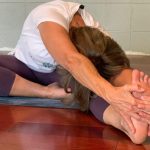
I pair slow breathing with simple stretches or yoga poses. The breath guides pace and depth. Movement feels cooperative rather than demanding. This approach supports nervous system health through balance.
Recovery After Stressful Events
Stressful events leave residue in the nervous system. Slow breathing helps process and release that residue. Recovery becomes more complete. The body returns to baseline more efficiently.
I use slow breathing after emotionally charged moments. The breath acts as a reset. Tension dissolves gradually. Recovery feels intentional rather than accidental.
Building Awareness Through Slow Breathing
Awareness increases when breathing slows. Subtle sensations become noticeable. This awareness supports early intervention before stress escalates. The nervous system benefits from timely care.
I notice early signs of tension more easily during slow breathing. Small adjustments prevent larger reactions. This awareness builds self-trust. The body feels listened to rather than ignored.
Consistency Matters More Than Duration
Nervous system health improves through regular support. Short periods of slow breathing practiced often create lasting change. Consistency builds familiarity. The body responds to repetition.
I integrate slow breathing into daily routines. These moments accumulate quietly. Over time, calm becomes a baseline rather than a goal. Consistency transforms practice into habit.
Slow Breathing in Everyday Situations
Slow breathing fits into ordinary life easily. Waiting, walking, or resting offer opportunities. The nervous system benefits from these small interventions. Practice does not require isolation.
I return to slow breathing during daily transitions. These moments anchor the body. Stress feels less dominant. Breath becomes a steady companion.
Letting the Breath Lead Without Control
Slow breathing works best without force. Allowing the breath to slow naturally creates trust. Control often adds tension. Ease supports regulation more effectively.
I invite the breath to slow rather than demand it. This invitation feels respectful. The body responds willingly. Regulation follows cooperation.
Final Thoughts
Slow breathing supports nervous system health by offering steady, reliable signals of safety and balance. Through consistent practice, the body learns to regulate itself more efficiently and recover more quickly from stress. This support extends into emotional stability, mental clarity, and physical comfort. Returning to slow breathing again and again builds a foundation of resilience that carries into every aspect of life.


GIPHY App Key not set. Please check settings