

 Chloe Davis
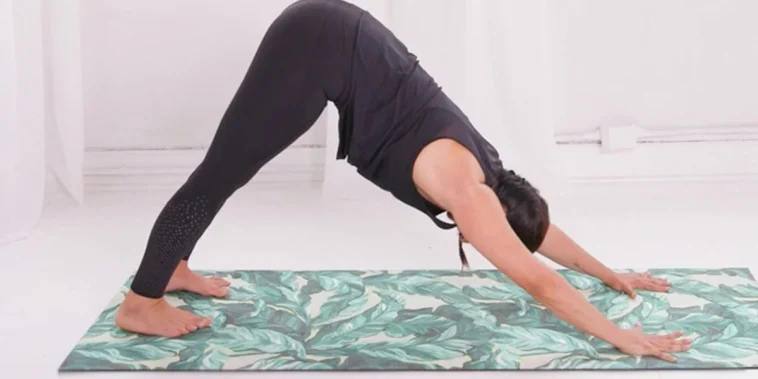
Tight hips can quietly affect almost every movement the body makes. Walking, sitting, bending, and even standing still can feel restricted when the hips lack mobility. I started paying attention to my hips once stiffness began creeping into my lower back and legs, making simple movements feel heavier than they should. Yoga offered a way to ease that tightness while also building awareness around how much the hips influence overall comfort and balance.
The hips hold a surprising amount of tension, both physical and mental. Long hours of sitting, repetitive movements, and even emotional stress can settle into this area. Through consistent yoga practice, I noticed that opening the hips was not about forcing flexibility but about creating space slowly and with intention. Certain poses consistently helped release tightness while strengthening the surrounding muscles for better support.
Why the Hips Hold So Much Tension
The hip joint connects the upper and lower body, which means it absorbs a great deal of daily stress. Muscles around the hips work constantly to stabilize posture and movement, often without conscious awareness. Over time, this constant effort can lead to tightness that limits range of motion.
I realized that my hips tightened most during periods of prolonged sitting and high stress. Yoga made it clear that tight hips are rarely just a physical issue. Gentle, steady poses helped signal safety to the body, allowing muscles to relax instead of guarding.
Bound Angle Pose for Gentle Release
Bound Angle Pose offers a grounded way to begin opening tight hips. Sitting upright with the soles of the feet together encourages external rotation in a controlled and accessible position. I found that staying present in this pose helped me notice subtle resistance rather than pushing past it.
The longer I stayed in Bound Angle Pose, the more my hips softened without force. Supporting the knees with blocks or cushions made the experience more comfortable and sustainable. Over time, this pose helped reduce stiffness and improve circulation through the hip area.
Low Lunge for Deep Hip Flexor Stretching
Low Lunge directly targets the hip flexors, which often become tight from sitting. Stepping one foot forward and lowering the back knee allows the front of the hip to lengthen gradually. This pose highlighted how restricted my hip flexors were compared to other areas.
Holding Low Lunge with steady breath encouraged release rather than strain. Keeping the torso upright helped avoid collapsing into the lower back. With regular practice, I noticed improved ease in walking and standing transitions.
Pigeon Pose for Outer Hip Opening
Pigeon Pose is one of the most effective poses for releasing deep hip tension. It stretches the outer hips and glutes, areas that often store chronic tightness. Each time I entered this pose, I became aware of differences between sides.
Staying patient in Pigeon Pose made a noticeable difference. Instead of forcing depth, I focused on alignment and breath. Over time, the pose felt less intense and more restorative, signaling real progress in hip mobility.
Garland Pose for Functional Hip Mobility
Garland Pose, also known as a yogic squat, brings the hips into a deep flexed position. This pose reflects a natural movement pattern that many adults lose over time. Practicing Garland Pose reminded me how important hips are for everyday functional movement.
Using support under the heels made the pose more accessible. As my hips opened, the squat became more comfortable and stable. This pose helped translate hip mobility directly into daily activities like bending and lifting.
Seated Wide-Legged Forward Fold for Inner Hips
Seated Wide-Legged Forward Fold stretches the inner thighs and hips in a controlled way. Sitting tall before folding forward emphasized length rather than collapse. I noticed how tight inner hips affected my ability to hinge smoothly.
Breathing deeply in this pose allowed tension to release gradually. Over time, my range of motion improved without forcing depth. This pose also helped balance strength and flexibility in the hips.
Frog Pose for Intense Hip Opening
Frog Pose offers a deep stretch for the inner hips and groin. It can feel intense, which is why moving slowly into the pose mattered greatly for me. Supporting the torso with bolsters reduced strain and allowed longer holds.
Staying mindful in Frog Pose taught me patience. Short, consistent holds proved more effective than pushing for depth. This pose helped create noticeable space in the hips when practiced responsibly.
Happy Baby Pose for Relaxed Hip Release
Happy Baby Pose brings a sense of ease to hip opening. Lying on the back and drawing the knees toward the chest creates a gentle stretch without weight-bearing pressure. I found this pose especially helpful after longer sessions.
Rocking gently side to side added a soothing element. This movement encouraged the hips to relax rather than resist. Happy Baby Pose became a reliable way to end sessions focused on hip mobility.
Lizard Pose for Comprehensive Hip Stretching
Lizard Pose targets multiple hip muscles at once. Stepping the foot wide and lowering the forearms increases the stretch through the hip flexors and inner thighs. This pose revealed how interconnected my hips were with my legs and lower back.
Adjusting depth with blocks kept the pose manageable. Staying present prevented unnecessary strain. Over time, Lizard Pose helped improve both flexibility and strength in the hips.
Supine Figure Four for Controlled Release
Supine Figure Four provides a gentle alternative to deeper hip openers. Lying on the back removes pressure from the joints while still stretching the outer hips. I appreciated how accessible this pose felt on days when energy was low.
Holding the pose with relaxed breathing encouraged release without tension. This position made it easier to focus on sensation rather than intensity. It became a useful option for maintaining hip mobility consistently.
Malasana Variations for Stability and Opening
Exploring variations of Malasana allowed gradual progression. Shifting weight slightly or adjusting foot placement revealed different areas of tightness. These subtle changes helped refine hip awareness.
Over time, stability improved alongside flexibility. The hips felt stronger and more responsive. This balance reduced discomfort during prolonged sitting and standing.
How Breath Enhances Hip Opening
Breath plays a crucial role in releasing tight hips. Shallow breathing often signals tension, while slow breathing encourages relaxation. I noticed significant changes once I coordinated breath with movement.
Exhaling fully during deeper stretches allowed muscles to soften naturally. Breath awareness also helped prevent pushing too far. This approach made hip opening feel safer and more sustainable.
The Role of Consistency in Hip Mobility
Hip flexibility improves through regular practice rather than occasional intensity. Short daily sessions made a bigger difference than infrequent long ones. Consistency allowed the hips to adapt gradually.
I noticed fewer aches and improved ease of movement over time. The hips responded best to patience and repetition. This steady approach reduced setbacks and strain.
Bringing Hip Awareness Into Daily Life
Yoga practice highlighted how often hips tighten during daily activities. Sitting posture, walking patterns, and stress levels all influenced hip comfort. Awareness made it easier to make small adjustments throughout the day.
Standing up regularly and moving mindfully helped maintain mobility. Simple stretches between tasks prevented stiffness from building. These habits complemented yoga practice effectively.
Supporting Hips Beyond the Mat
Hip health benefits from supportive routines beyond yoga sessions. Adequate rest, balanced movement, and gentle strength work all contribute to mobility. I found that listening to early signs of tightness prevented deeper discomfort.
Combining yoga with mindful movement created lasting change. The hips felt more resilient and less reactive. This holistic approach supported long-term comfort.
Final Thoughts
The Best Poses for Opening Tight Hips offer more than increased flexibility. They provide a pathway to greater comfort, balance, and ease in everyday movement. Through steady practice, the hips gradually release tension and regain natural mobility.
Each pose plays a role in creating space and support within the body. Over time, hip opening becomes less about reaching a shape and more about cultivating awareness. Yoga continues to remind me that lasting change comes from patience, consistency, and respect for the body’s rhythm.


GIPHY App Key not set. Please check settings