
 Chloe Davis
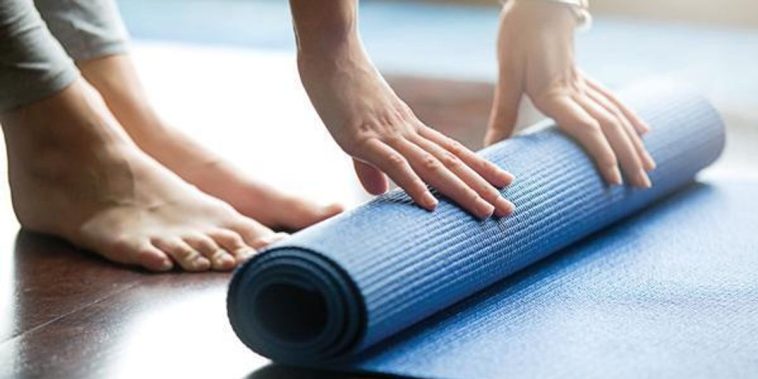
Poor posture has a way of sneaking into daily life without much warning. Hours spent sitting, looking down at screens, or standing with weight unevenly distributed can slowly reshape how the body holds itself. Over time, I began to notice tension in my neck, a subtle rounding in my shoulders, and fatigue that didn’t seem connected to effort. Yoga became a steady way for me to rebuild awareness, strength, and balance so my posture could improve naturally rather than through force or constant reminders.
Posture is not only about standing up straight. It reflects how muscles cooperate, how joints align, and how the nervous system senses balance. Through consistent yoga practice, I’ve found that posture improves when the body feels supported rather than corrected. Certain yoga poses encourage this support by strengthening underused muscles, releasing tight areas, and teaching the body how to stack itself with less strain.
The Connection Between Yoga and Posture
Posture depends on both mobility and stability working together. Tight hips, a stiff spine, or weak upper back muscles can all pull the body out of alignment. Yoga addresses these issues at the same time, which is why it feels so effective for long-term posture changes. Instead of isolating one muscle group, poses invite the entire body to participate in finding balance.
Breath also plays a major role in posture. Shallow breathing often leads to collapsed chests and tense shoulders, while steady breathing encourages expansion and length through the spine. In my practice, focusing on breath during poses helped me notice when I was slumping or gripping unnecessarily. Over time, that awareness started to show up even when I wasn’t on the mat.
Mountain Pose as a Postural Foundation
Mountain Pose looks simple, yet it has taught me more about posture than many complex shapes. Standing still with intention reveals habits that often go unnoticed. Weight may shift forward into the toes, the pelvis might tilt, or the shoulders could creep upward. Mountain Pose invites gentle adjustments until the body feels stacked and supported.
Practicing this pose regularly helped me understand what neutral alignment actually feels like. I learned to engage my legs without locking my knees and to lift through the crown of my head without stiffening my neck. These subtle actions translated directly into how I stand and walk throughout the day.
Downward-Facing Dog for Spinal Length
Downward-Facing Dog creates space along the entire back of the body. The spine lengthens while the shoulders and hips move away from each other, counteracting the compression that builds up from sitting. Each time I settle into this pose, I feel my back decompress and my posture reset.
This pose also strengthens the shoulders and arms, which are essential for supporting an upright chest. Weak shoulders often contribute to rounding, and Downward-Facing Dog addresses that gently but effectively. With steady practice, it helped me maintain a more open and lifted posture even during long periods of work.
Cobra Pose for Chest Opening
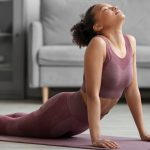
Cobra Pose directly targets the front of the body, an area that often becomes tight and shortened. The chest opens, the shoulders draw back, and the spine extends in a controlled way. I found that this pose counterbalanced the forward hunch that developed from daily routines.
The key for me was learning to lift through the chest without compressing the lower back. By grounding the pelvis and using back muscles rather than momentum, Cobra became a safe and powerful posture tool. Over time, my upper back felt stronger, and my shoulders naturally rested farther back.
Locust Pose for Back Body Strength
Locust Pose focuses on strengthening the muscles along the spine, glutes, and backs of the legs. These muscles play a crucial role in holding the body upright. When they are weak, posture often collapses despite good intentions.
Holding Locust Pose taught me how to engage my back body evenly. Instead of relying on my lower back alone, I learned to spread effort throughout the spine. That balanced strength made standing and sitting tall feel less like work and more like a natural state.
Bridge Pose for Pelvic Alignment
The pelvis acts as the base for posture, and Bridge Pose helped me understand that relationship clearly. This pose strengthens the glutes and lower back while opening the hips and chest. Many postural issues begin with a tilted or unstable pelvis, which then affects the spine above it.
Practicing Bridge Pose regularly brought more awareness to how I hold my hips when standing or walking. I noticed less strain in my lower back and a smoother curve through my spine. That sense of support made upright posture feel grounded rather than rigid.
Cat-Cow for Spinal Awareness
Cat-Cow is one of the most effective ways I’ve found to reconnect with spinal movement. Flowing between flexion and extension highlights where stiffness lives and where mobility is needed. This awareness is essential for posture because a stiff spine often leads to compensations elsewhere.
Moving slowly through Cat-Cow helped me recognize how my head, shoulders, and pelvis interact. With time, my spine began to feel more responsive and fluid. That responsiveness made it easier to adjust posture throughout the day without tension.
Plank Pose for Core Stability
A strong core supports the spine in every position. Plank Pose builds that strength in a direct and functional way. Instead of isolating abdominal muscles, it teaches the entire torso to work together.
Holding Plank Pose revealed how often I relied on my lower back instead of my core. By correcting that habit, I felt more stable and upright in daily movements. This stability reduced fatigue and made maintaining good posture far more sustainable.
Extended Triangle for Alignment Awareness
Extended Triangle encourages length, rotation, and balance all at once. The pose highlights how the spine stacks over the pelvis while the chest opens to the side. I found this particularly helpful for noticing asymmetries between my left and right sides.
Working through those differences improved my overall alignment. My posture felt more centered and less twisted. Over time, standing evenly became second nature rather than something I had to consciously correct.
Seated Forward Fold for Postural Balance
Seated Forward Fold may seem focused on flexibility, but it also supports posture by balancing spinal extension with flexion. This pose teaches patience and awareness, especially in the lower back and hamstrings. Tight hamstrings can pull the pelvis backward, affecting posture when sitting and standing.
Practicing this pose gently helped me release tension without forcing movement. As flexibility improved, sitting upright felt easier and more comfortable. The balance between strength and release became clearer through consistent practice.
Child’s Pose for Resetting Alignment
Child’s Pose offers a chance to reset the spine and nervous system. While it appears passive, it plays an important role in posture by allowing the back muscles to relax fully. That relaxation makes it easier to notice alignment patterns without strain.
Resting in Child’s Pose after stronger postural poses helped integrate their effects. I often emerged feeling longer and more balanced. That sense of ease carried into how I held myself afterward.
How Consistency Shapes Better Posture
Postural changes do not happen overnight. Yoga works gradually, reshaping habits through repetition and awareness. I noticed the biggest improvements when I practiced regularly rather than intensely.
Short daily sessions proved more effective than occasional long ones. Over time, my body began to default to better alignment without constant correction. That shift made posture feel like a natural extension of movement rather than an imposed rule.
Bringing Postural Awareness Off the Mat
Yoga poses are only part of the process. The real transformation happens when awareness carries into daily activities. Sitting, standing, and walking became opportunities to notice alignment rather than moments of mindless habit.
I found it helpful to pause and take a breath before adjusting posture. That pause prevented tension and encouraged ease. With practice, good posture became less about effort and more about listening to the body.
Final Thoughts
Yoga Poses That Support Better Posture offer more than physical alignment; they create a deeper connection between awareness, strength, and ease. Through consistent practice, posture shifts from something that needs constant correction to something that feels supported from within. The combination of mindful movement, breath, and strength allows the body to find balance naturally.
Over time, these poses reshaped how I move through daily life. Standing taller no longer feels forced, and sitting upright feels comfortable rather than tiring. Yoga continues to remind me that posture is not a fixed position but a dynamic relationship with the body that evolves with care and attention.

GIPHY App Key not set. Please check settings