
 Chloe Davis
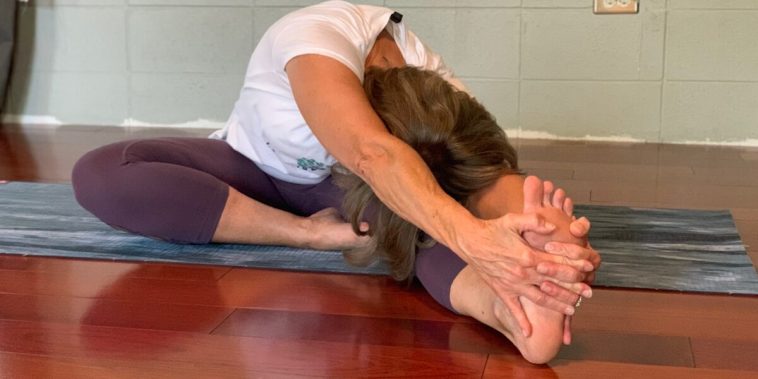
Lower back pain doesn’t always come from something serious—it often builds up quietly from long hours of sitting, poor posture, or simply not moving enough.
If your back feels tight, stiff, or sore, you’re not alone. The good news is that gentle yoga can help ease that tension and support your body in a natural way.
You don’t need to be flexible or experienced. These simple poses are designed to help you move safely, release pressure, and feel a little better—one stretch at a time.
10 Best Yoga Poses for Lower Back Pain
1. Child’s Pose (Balasana)
How to do it:
Kneel on the mat, bring your big toes together, and sit back on your heels. Extend your arms forward and rest your forehead on the floor.
Benefits:
Gently stretches the lower back and helps release built-up tension.
This is often the first pose people naturally relax into—it gives your body a chance to slow down and soften.
2. Cat-Cow Stretch
How to do it:
Start on all fours. Inhale as you drop your belly and lift your chest (Cow Pose), then exhale as you round your spine (Cat Pose).
Benefits:
Improves spinal flexibility and relieves stiffness in the back.
Moving slowly between these two shapes can feel almost like a massage for your spine.
3. Downward Dog (Adho Mukha Svanasana)
How to do it:
From all fours, lift your hips up and back, forming an inverted V shape. Keep your knees slightly bent if needed.
Benefits:
Stretches the spine, hamstrings, and lower back muscles.
If your back feels tight in the morning, this pose can help create space and length through your whole body.
4. Supine Twist
How to do it:
Lie on your back, bring one knee to your chest, and gently twist it across your body while keeping your shoulders grounded.
Benefits:
Releases tension in the lower back and improves spinal mobility.
Twists like this are especially helpful when your back feels “locked” or stiff.
5. Bridge Pose (Setu Bandhasana)
How to do it:
Lie on your back with knees bent and feet flat. Press into your feet and lift your hips toward the ceiling.
Benefits:
Strengthens the lower back, glutes, and core muscles.
It may feel a bit more active, but this is what helps support your back long-term.
6. Knee-to-Chest Stretch
How to do it:
Lie on your back and pull both knees toward your chest. Hold them gently with your hands.
Benefits:
Relieves tension in the lower back and promotes relaxation.
7. Sphinx Pose
How to do it:
Lie on your stomach and prop yourself up on your forearms, keeping your elbows under your shoulders.
Benefits:
Gently strengthens the lower back and improves posture.
8. Seated Forward Fold (Modified)
How to do it:
Sit with your legs extended. Hinge at your hips and reach toward your shins or ankles without forcing the stretch.
Benefits:
Stretches the lower back and hamstrings.
9. Pelvic Tilt
How to do it:
Lie on your back with knees bent. Gently tilt your pelvis to flatten your lower back against the mat.
Benefits:
Strengthens core muscles and supports the lower spine.
10. Reclining Pigeon Pose
How to do it:
Lie on your back, cross one ankle over the opposite knee, and gently pull the supporting leg toward your chest.
Benefits:
Releases tight hips, which often contribute to lower back pain.
Tips for Practicing Yoga Safely with Lower Back Pain
- Move slowly and avoid sudden movements
- Never push into pain
- Focus on breathing and control
- Use props like blocks or cushions if needed
Who This Routine Is For
This routine is especially helpful if you:
- Sit for long hours during the day
- Wake up with a stiff or tight lower back
- Feel discomfort after exercise or physical activity
- Prefer gentle, low-impact movement
If your pain is sharp or severe, it’s always best to check with a professional before continuing.
When Will You Start Feeling Better?
Some people feel relief after just one session, especially if the pain comes from tightness or fatigue. But for most people, the real benefit comes from consistency.
You don’t need long sessions—just a few minutes a day can gradually reduce tension, improve mobility, and make everyday movements feel easier.
Think of it less as a quick fix, and more as a gentle way to support your body over time.
If you’re just getting started, you might also want to try this
beginner yoga routine at home
And if you prefer something more relaxing, this
morning yoga routine
can be a great way to ease into movement.
FAQ
Is yoga good for lower back pain?
Yes, gentle yoga can help reduce tension, improve mobility, and strengthen the muscles supporting the lower back.
Which yoga poses should I avoid with lower back pain?
Avoid deep backbends or intense forward folds if they cause discomfort. Always listen to your body.
How often should I do yoga for back pain relief?
Practicing 3–5 times per week can help you see noticeable improvements.
Can beginners do these yoga poses safely?
Yes, these poses are beginner-friendly and can be modified as needed.
How long does it take to relieve back pain with yoga?
Some people feel relief after a few sessions, while consistent practice over a few weeks brings better results.



GIPHY App Key not set. Please check settings