

 Chloe Davis
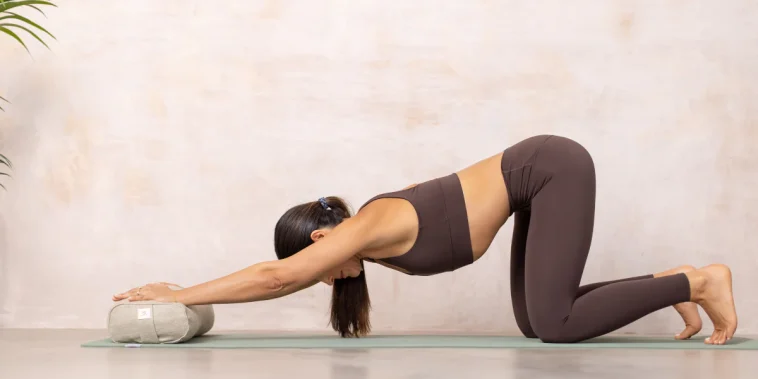
Core strength sits at the center of nearly every movement I make on the mat. A steady, responsive core supports balance, protects the spine, and allows energy to flow smoothly through the body. Rather than chasing visible abdominal muscles, yoga invites a deeper kind of strength that feels integrated and functional. This type of strength develops gradually, shaped by awareness, breath, and consistent practice.
Yoga approaches the core as more than just the front of the body. Muscles around the waist, lower back, hips, and even the pelvic floor all contribute to stability. I have found that when these areas work together, poses feel lighter and more controlled. Focusing on core strength through yoga builds resilience that shows up in daily life, from posture to ease of movement.
Why Core Strength Matters in Yoga
A strong core provides the foundation for safe and effective movement. Without it, poses can feel unstable or strained, especially those involving balance or transitions. I notice that when my core is engaged, my joints feel supported and my movements become more fluid. This support reduces unnecessary tension in the neck, shoulders, and lower back.
Core engagement also enhances body awareness. It encourages mindful movement rather than reliance on momentum. Over time, this awareness improves posture both on and off the mat. Core strength becomes a quiet source of confidence, supporting every pose from the inside.
How Yoga Builds Core Strength Differently
Yoga develops core strength through sustained engagement rather than repetitive crunching motions. Many poses require holding the body steady against gravity, which activates deep stabilizing muscles. I appreciate how this approach builds endurance and control. The strength feels balanced and functional instead of rigid.
Breath plays a crucial role in this process. Coordinating breath with movement encourages subtle engagement rather than forceful tightening. This balance allows the core to support movement without restricting it. Yoga trains the core to respond intelligently to different demands.
Plank Pose as a Core Foundation
Plank Pose stands out as one of the most direct ways to build core strength. Holding the body in a straight line from head to heels requires full engagement. I focus on drawing the belly inward while pressing firmly through the hands and feet. This combination creates stability without strain.
Alignment matters greatly in Plank Pose. Keeping the shoulders stacked over the wrists and the hips level protects the spine. I notice how even small shifts in alignment change the intensity. Plank teaches how to distribute effort evenly across the body.
Side Plank for Lateral Strength
Side Plank challenges the core from a different angle. Supporting the body on one arm activates the obliques and deep stabilizers. I find this pose especially effective for building balanced strength around the waist. It also improves shoulder stability and focus.
Maintaining alignment in Side Plank requires attention. Keeping the hips lifted and stacked prevents sagging. Breath helps manage the effort, allowing the pose to feel strong rather than tense. Over time, Side Plank builds confidence in asymmetrical strength.
Boat Pose for Deep Engagement
Boat Pose directly targets the front of the core while challenging balance. Sitting on the sit bones, I lift the legs and chest while keeping the spine long. This pose demands steady engagement without collapsing into the lower back. Finding that balance takes patience and awareness.
Holding Boat Pose for several breaths builds endurance. I notice how the pose becomes more manageable when breath remains steady. Modifying by bending the knees or holding the backs of the thighs keeps the focus on strength rather than strain. Boat Pose encourages mindful effort and resilience.
Forearm Plank for Stability
Forearm Plank offers a variation that reduces wrist strain while intensifying core work. Lowering onto the forearms shifts the angle of the body. I engage the shoulders and press through the forearms to support the chest. This setup encourages deeper abdominal activation.
Keeping the hips level remains essential. I pay attention to avoiding sagging or lifting too high. Forearm Plank strengthens the entire core while supporting shoulder health. It builds steady endurance that translates into many other poses.
Downward Dog and Core Support
Downward Dog often appears as a resting pose, yet it offers valuable core engagement. Supporting the spine requires subtle activation of the abdominal muscles. I focus on drawing the ribs inward while lengthening the spine. This balance creates a feeling of lightness.
The pose strengthens the shoulders and arms while engaging the core to stabilize the torso. I notice how proper engagement prevents dumping weight into the lower back. Downward Dog teaches how to maintain support even in familiar shapes. It reinforces awareness throughout the practice.
Warrior Poses and Core Integration
Standing poses like Warrior I and Warrior II rely heavily on core stability. Holding these poses requires the torso to remain upright and supported. I engage the core to prevent leaning forward or arching the back. This engagement allows the legs to work more efficiently.
Transitions between Warrior poses highlight the importance of core control. Smooth movement depends on stability through the center. I find that strong core support makes standing sequences feel grounded and controlled. Warrior poses integrate strength throughout the body.
Chair Pose for Functional Strength
Chair Pose mimics everyday movements such as sitting and standing. Holding this pose activates the core to support the spine against gravity. I keep the chest lifted and weight in the heels while engaging the abdomen. This alignment protects the lower back.
The intensity builds quickly in Chair Pose. Breath becomes a valuable tool for managing effort. I notice how core engagement prevents collapsing forward. This pose strengthens muscles used in daily activities, reinforcing functional strength.
Bridge Pose for Posterior Core Support
Bridge Pose strengthens the back body while engaging the core. Lifting the hips requires support from the glutes and abdominal muscles. I focus on keeping the ribs drawn inward to avoid over-arching. This balance supports spinal health.
Holding Bridge Pose builds awareness of posterior core engagement. The pose counteracts long periods of sitting. I feel strength developing through the lower back and hips. Bridge Pose encourages balanced core development.
Locust Pose for Back Strength
Locust Pose emphasizes the muscles along the spine. Lying prone, I lift the chest and legs using back body strength. Engaging the core prevents excessive compression in the lower back. This pose supports posture and spinal stability.
The effort remains controlled and steady. I notice how breath supports lifting without strain. Locust Pose balances front body core work with back body strength. This balance enhances overall stability.
Crow Pose and Arm Balances
Arm balances like Crow Pose demand intense core engagement. Lifting the feet off the ground requires drawing the knees toward the chest and engaging the abdomen. I find that trust and focus play a big role in these poses. Core strength supports the lift and control.
Starting with preparation poses builds confidence. I focus on shifting weight forward while keeping the core active. Over time, arm balances become more accessible. They demonstrate how core strength supports advanced practice.
Twisting Poses and Rotational Strength
Twisting poses engage the core through rotation. Seated twists and standing twists activate obliques and deep stabilizers. I emphasize length in the spine before rotating. This approach protects the back and enhances the twist.
Breath supports rotation by creating space. I notice increased mobility and strength through the waist. Twisting poses improve digestion and spinal health. They add functional rotational strength to the core.
Balance Poses and Core Control
Balance poses rely heavily on core stability. Tree Pose and Half Moon challenge the body to stay steady. I engage the core to support the pelvis and spine. This engagement reduces wobbling and improves focus.
Balance poses highlight imbalances between sides. I treat these moments as opportunities for awareness rather than frustration. Core control develops gradually through consistent practice. These poses cultivate patience and presence.
Seated Core Poses for Awareness
Seated poses like Seated Forward Fold and Staff Pose engage the core subtly. Sitting upright requires support from the abdominal muscles. I focus on lifting through the spine while grounding the sit bones. This alignment builds endurance.
These poses teach how to maintain engagement without tension. I notice how posture improves over time. Seated core work supports spinal health and daily sitting habits. Awareness developed here carries into other poses.
Breath and Core Connection
Breath connects deeply with core engagement. Coordinating breath with movement encourages efficient activation. I use exhalations to draw the abdomen inward gently. This technique supports stability without rigidity.
Shallow breathing often signals tension. Returning attention to breath softens effort. Over time, breath awareness enhances endurance and control. Core strength becomes responsive rather than forced.
Common Mistakes in Core Engagement
Over-tightening the core can limit movement and breath. I aim for supportive engagement rather than bracing. Excess tension often leads to fatigue and discomfort. Balance remains key.
Neglecting the back body creates imbalance. Core strength includes muscles along the spine. I focus on developing strength evenly. Awareness prevents habits that strain the lower back.
Modifications That Support Growth
Modifications make core poses accessible. Lowering knees in Plank or using blocks reduces strain. I view these adjustments as tools for building strength gradually. They encourage consistency and safety.
Listening to the body guides progression. Resting when needed supports long-term growth. Modifications allow focus on alignment and breath. They reinforce sustainable practice.
Integrating Core Work Into Practice
Core engagement weaves through entire yoga sessions. I integrate poses that challenge stability with restorative shapes. This balance prevents overuse and supports recovery. Thoughtful sequencing enhances results.
Short core-focused segments can complement longer practices. Consistency matters more than intensity. Over time, integration builds strength naturally. Core work becomes an effortless part of movement.
Core Strength Beyond the Mat
Core strength developed through yoga supports daily life. Improved posture reduces strain during sitting and standing. Movements feel more coordinated and controlled. I notice greater ease in physical tasks.
Mental resilience grows alongside physical strength. Staying steady in challenging poses builds confidence. Core awareness encourages presence. These benefits extend well beyond the mat.
Final Thoughts
The most important yoga poses for core strength offer more than physical conditioning. They cultivate awareness, balance, and resilience that support the entire practice. Exploring these poses with patience builds integrated strength. Core engagement becomes a steady foundation for movement, breath, and daily life.

GIPHY App Key not set. Please check settings