

 Chloe Davis
What Is Downward Dog?
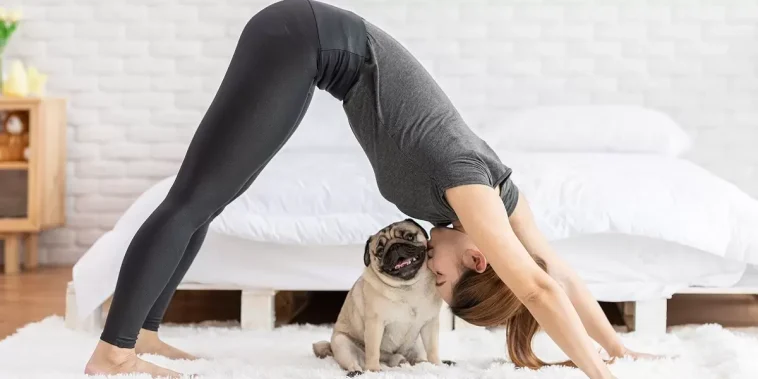
Downward Dog, or Adho Mukha Svanasana, is one of the most widely practiced yoga poses. It creates an inverted “V” shape and appears frequently in many yoga sequences like Sun Salutations.
While it may look like a simple resting pose, it actually engages multiple muscle groups and provides both strength and flexibility benefits when performed correctly.
How to Do Downward Dog (Step-by-Step Guide)
Follow these steps to practice proper form:
- Start on your hands and knees, with wrists under shoulders and knees under hips
- Spread your fingers wide and press firmly into the mat
- Lift your hips up and back toward the ceiling
- Keep your spine long and avoid rounding your back
- Slightly bend your knees if your hamstrings feel tight
- Gently press your chest toward your thighs
- Relax your head and look toward your feet
Tip: Focus on lengthening your spine instead of forcing your heels to touch the ground.
Benefits of Downward Dog
1. Stretches the Entire Body
This pose stretches the hamstrings, calves, shoulders, and spine at the same time.
2. Builds Strength
Downward Dog strengthens the arms, shoulders, and core, especially for beginners.
3. Improves Posture
It helps lengthen the spine and counteracts the effects of sitting for long periods.
4. Boosts Circulation
As a mild inversion, it encourages better blood flow and can help improve focus and energy.
Common Downward Dog Mistakes (And How to Fix Them)
1. Rounding the Back
Fix: Bend your knees and prioritize a straight spine.
2. Putting Too Much Weight on the Wrists
Fix: Shift your hips back and distribute weight into your legs.
3. Forcing the Heels Down
Fix: Keep heels lifted if needed—alignment matters more than flexibility.
4. Locking the Arms
Fix: Keep a slight engagement in the arms without collapsing the shoulders.
5. Collapsing the Chest
Fix: Press through your hands and open your chest.
6. Incorrect Hand Placement
Fix: Start in a plank position, then push back to find proper alignment.
7. Treating It as a Resting Pose
Fix: Stay active by engaging your muscles throughout the pose.
Tips for Beginners
Practice regularly to improve flexibility and strength
Bend your knees more than you think you need
Focus on pushing your hips up and back
Press evenly through your fingers to reduce wrist strain
Final Thoughts
Downward Dog is a foundational yoga pose that offers both strength and flexibility benefits. By focusing on proper alignment and avoiding common mistakes, you can get the most out of this pose and improve your overall yoga practice.
FAQ
Q: Is downward dog suitable for beginners?
A: Yes, it’s beginner-friendly, but proper form is important to avoid discomfort or strain.
Q: Why do my wrists hurt in downward dog?
A: This usually happens when too much weight is placed on the hands. Try shifting more weight into your legs.
Q: Do my heels need to touch the floor?
A: No, heels do not need to touch the ground. Keeping your spine long is more important.
You may also like:
10-Minute Beginner Yoga Routine at Home (Step-by-Step Guide)
10-Minute Evening Yoga Routine for Relaxation and Better Sleep
Stop Wasting Money: 7 Yoga Gear Mistakes Beginners Make



GIPHY App Key not set. Please check settings