


 Chloe Davis
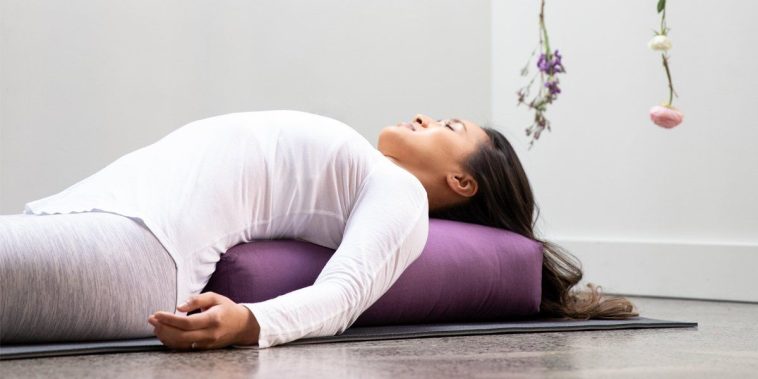
A good yoga practice is not defined by flexibility, strength, or how advanced a pose looks. It is shaped by how the practice supports daily life, both physically and mentally. I have found that yoga becomes most meaningful when it feels sustainable, honest, and responsive rather than impressive. The idea of a good practice shifts over time, and that flexibility is part of its value.
Yoga often gets measured against external standards, which can quietly disconnect it from its original purpose. Progress is frequently judged by photos, milestones, or visible changes, yet the most important shifts are internal. A good practice leaves the body feeling supported and the mind clearer, even if the session itself feels simple. That quiet consistency matters far more than intensity or perfection.
Letting Go of Performance Expectations
Performance can easily creep into yoga, especially when progress is compared to others or past versions of oneself. The pressure to achieve can turn practice into another task that demands results. Letting go of performance creates space for genuine presence.
I notice my practice feels better when I stop measuring it against external outcomes. Movement becomes more fluid, and breath feels less forced. Without performance expectations, the body naturally finds its range and rhythm. This shift allows yoga to feel restorative rather than demanding.
Consistency Over Intensity
A good yoga practice shows up regularly, even if it looks different each day. Intensity fluctuates based on energy, stress, and physical condition. Consistency builds trust between the body and the practice.
I have gained more from frequent gentle sessions than from occasional intense ones. Daily or near-daily movement keeps the body responsive and prevents stiffness from building. Consistency also removes the pressure to make every session count. Over time, this steady rhythm supports long-term progress.
Listening to the Body’s Signals
The body communicates constantly through sensation, tension, and fatigue. A good practice pays attention to these signals rather than ignoring them. Listening prevents injury and builds awareness.
I adjust poses and pace based on how my body feels in the moment. Some days require more support, while others allow deeper exploration. Responding to these cues keeps practice safe and grounded. Yoga becomes a dialogue rather than a set of instructions.
Allowing Practice to Change Over Time
Yoga evolves as life changes, and a good practice adapts accordingly. What feels supportive at one stage may not fit another. Flexibility in approach keeps the practice relevant.
I notice my needs shift with age, workload, and stress levels. Some periods call for strength and movement, while others need stillness. Allowing practice to change prevents stagnation. This adaptability keeps yoga aligned with real life.
Breath as the Foundation
Breath anchors movement and awareness. A good practice maintains steady, conscious breathing throughout. Breath reveals when effort becomes excessive or unfocused.
I use breath as a guide rather than a rule. When breathing feels strained, I soften the pose or slow down. When breath flows smoothly, movement feels more integrated. This connection keeps practice balanced and mindful.
Comfort With Imperfection
Perfection is not a requirement for progress. A good yoga practice allows room for imperfection without judgment. This acceptance supports mental ease and consistency.
I accept that some sessions feel distracted or awkward. Instead of forcing focus, I allow the experience to be what it is. This attitude reduces frustration and keeps practice approachable. Over time, comfort with imperfection strengthens commitment.
Presence Over Duration
Long sessions are not always necessary for meaningful practice. Presence during short sessions often creates greater impact. A good practice values attention over time spent.
I find that even brief practices can feel complete when I am fully present. Focused movement and breath create clarity regardless of duration. This perspective removes pressure to practice for a specific length. Presence turns small efforts into effective ones.
Integration Into Daily Life
Yoga extends beyond the mat through posture, breath, and awareness. A good practice influences how daily activities are experienced. This integration makes yoga practical and accessible.
I notice how yoga shapes my posture while sitting or walking. Breath awareness carries into stressful moments. These subtle applications reinforce practice throughout the day. Yoga becomes a continuous support rather than a separate activity.
Respecting Physical Limits
Respecting limits is essential for long-term practice. A good yoga practice acknowledges boundaries without pushing through pain. This respect builds resilience and trust.
I avoid forcing depth in poses or ignoring discomfort. Modifications and pauses become tools rather than signs of weakness. Honoring limits prevents setbacks and supports steady growth. This approach keeps the body healthy and responsive.
Mental Clarity as a Measure
Mental clarity often reflects the quality of practice more accurately than physical ability. A good practice leaves the mind calmer and more focused. Even subtle shifts matter.
I notice how my thoughts slow and attention sharpens after practice. This clarity influences decision-making and emotional balance. Yoga supports mental space as much as physical movement. That balance defines its effectiveness.
Patience With Slow Progress
Progress in yoga unfolds gradually and unevenly. A good practice accepts slow change without frustration. Patience keeps motivation steady.
I remind myself that progress is not always visible. Some benefits appear quietly in posture, breath, or mood. Trusting this process prevents discouragement. Patience allows transformation to develop naturally.
Balancing Effort and Ease
Yoga thrives on the balance between effort and ease. A good practice includes both without tipping too far in either direction. This balance supports sustainable growth.
I pay attention to moments where effort becomes strain. Softening at those points restores flow and comfort. Effort remains purposeful rather than exhausting. This balance keeps practice nourishing.
Creating a Supportive Environment
Environment influences practice more than motivation alone. A good practice benefits from a space that feels welcoming and simple. Small adjustments make consistency easier.
I keep my practice area uncluttered and accessible. Visual cues encourage movement without pressure. A supportive environment reduces resistance. This ease supports regular engagement.
Staying Curious Instead of Critical
Curiosity opens the door to exploration and learning. A good practice replaces self-criticism with interest and observation. This mindset keeps practice engaging.
I explore sensations and movements with curiosity rather than judgment. Each session becomes an opportunity to notice something new. This approach keeps yoga fresh and motivating. Curiosity sustains long-term commitment.
Honoring Rest as Practice
Rest is an active part of yoga, not an absence of effort. A good practice includes rest without guilt. Recovery supports both physical and mental well-being.
I include moments of stillness or restorative poses regularly. These pauses allow integration and reset the nervous system. Rest enhances the benefits of movement. Balance emerges through intentional stillness.
Letting Go of Comparison
Comparison undermines personal progress. A good yoga practice focuses inward rather than outward. Individual experience matters more than external benchmarks.
I remind myself that each body and journey is different. Comparing only creates distraction and dissatisfaction. Focusing on my own experience keeps practice grounded. This inward attention supports confidence and clarity.
Trusting the Process
Yoga does not offer instant solutions. A good practice trusts gradual change and consistent effort. This trust removes pressure and expectation.
I allow practice to unfold without forcing outcomes. Over time, strength, mobility, and calm develop naturally. Trust keeps the practice steady during plateaus. This patience strengthens long-term engagement.
Recognizing Emotional Shifts
Yoga influences emotional patterns as much as physical ones. A good practice supports emotional awareness and regulation. These changes often appear subtly.
I notice increased patience and resilience over time. Emotional reactions soften, and responses become more measured. These shifts reflect deeper integration. Emotional balance signals meaningful progress.
Adapting Practice to Life’s Demands
Life circumstances change, and yoga must adapt to remain supportive. A good practice fits into real schedules and responsibilities. Flexibility ensures continuity.
I adjust session length and intensity during busy periods. Even brief practices maintain connection. This adaptability prevents practice from becoming burdensome. Yoga remains accessible through all seasons of life.
Valuing the Experience Over the Outcome
Outcomes naturally follow consistent practice, but focusing on experience keeps yoga grounded. A good practice values how it feels rather than what it achieves. This focus deepens engagement.
I pay attention to sensations, breath, and awareness during practice. Outcomes become secondary to presence. This shift makes yoga more fulfilling. Experience becomes its own reward.
Final Thoughts
A good yoga practice is not defined by appearance, difficulty, or duration. It is shaped by consistency, awareness, and respect for the body and mind. When yoga supports daily life, adapts to change, and fosters clarity, it fulfills its purpose. Progress unfolds naturally when practice remains honest, patient, and present.



GIPHY App Key not set. Please check settings