


 Chloe Davis
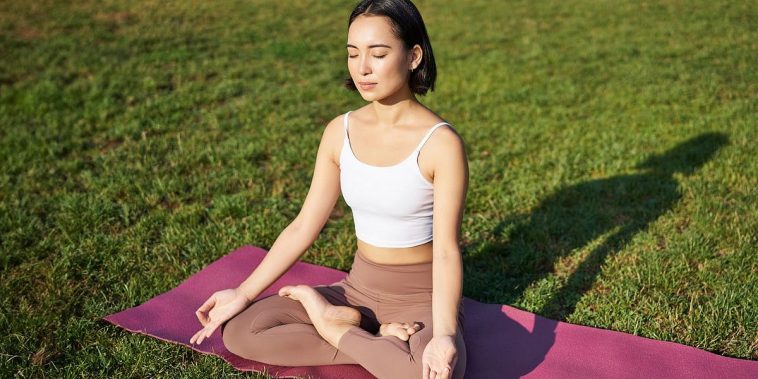
A yoga practice can feel deeply rewarding one month and oddly frustrating the next. Progress does not always show up in dramatic poses or visible flexibility gains, and that gap between effort and reward can quietly drain motivation. I have experienced phases where rolling out my mat felt automatic and others where it felt heavy, repetitive, or uninspiring. Staying motivated during those stuck periods has less to do with forcing discipline and more to do with reshaping how the practice fits into daily life.
Yoga is not a straight path, and expecting constant upward momentum often creates pressure that works against consistency. Motivation fades fastest when yoga turns into another box to tick or a performance to judge. I have learned that feeling stuck is often a signal to adjust perspective rather than abandon the practice. Those slower periods can become the most meaningful chapters when approached with patience and honesty.
Recognizing That Feeling Stuck Is Part of the Process
Feeling unmotivated does not mean something is wrong with the practice or with personal commitment. Yoga naturally moves in cycles, just like energy levels, moods, and physical capacity. Some weeks feel expansive and strong, while others feel tight and distracted, even with the same effort. Accepting this rhythm removes a lot of unnecessary self-criticism.
I used to assume that motivation should feel constant if yoga truly mattered to me. Over time, I realized that expecting steady enthusiasm was unrealistic and unfair. The practice reflects real life, and real life is rarely consistent. Recognizing that plateaus and dips are normal makes it easier to stay engaged without forcing excitement that is not there.
Shifting Focus Away From Physical Progress
One of the quickest ways to lose motivation is measuring success only through flexibility, strength, or advanced poses. Physical changes happen gradually and are influenced by many factors outside the mat. When progress feels slow, frustration builds, even if the practice is still offering benefits. Redirecting attention away from outcomes can restore a sense of purpose.
I began noticing smaller, quieter changes instead. My breathing became steadier during stressful moments, and my awareness improved during ordinary tasks. Those shifts mattered more than touching my toes on a particular day. By valuing how yoga affected my mindset and daily habits, motivation returned without pressure.
Reconnecting With Why You Started Practicing
Motivation often fades when the original reasons for practicing get buried under routine. Revisiting those reasons can bring clarity and renewed energy. Yoga may have started as stress relief, recovery from injury, curiosity, or a desire for balance. Over time, those intentions can get overshadowed by expectations or comparisons.
I found it helpful to sit down and write a few sentences about what yoga gave me in the beginning. That reflection reminded me that the practice was never meant to be perfect or impressive. It was meant to support my well-being. Reconnecting with that purpose made showing up feel meaningful again, even on uninspired days.
Changing the Structure of the Practice
Repetition can quietly dull motivation, especially if sessions start to feel predictable. Small structural changes can make a big difference without overhauling everything. Adjusting the length, time of day, or style can refresh interest and break mental ruts.
I experimented with shorter sessions when longer ones felt overwhelming. Other times, I explored slower practices or added gentle movement on days when intensity felt draining. These adjustments kept yoga flexible and responsive rather than rigid. Allowing the practice to evolve prevented boredom from taking over.
Letting Go of Comparison and External Pressure
Comparing progress to others is a fast way to lose motivation. Social media, classes, and even well-meaning conversations can create unrealistic benchmarks. Yoga is deeply personal, and no two bodies or lives move at the same pace. External pressure often disguises itself as inspiration but leads to discouragement instead.
I noticed motivation drop whenever I focused too much on how my practice looked compared to someone else’s. Stepping back from those influences helped me reconnect with my own experience. Yoga felt lighter when I stopped treating it as a competition. Motivation grew naturally once comparison was removed from the equation.
Creating Gentle Goals That Support Consistency
Ambitious goals can be motivating at first but exhausting over time. When a practice feels stuck, softer goals often work better. These goals focus on showing up rather than achieving a specific outcome. They leave room for flexibility and self-compassion.
I shifted from aiming for daily long sessions to committing to simply stepping onto the mat regularly. Some days that meant ten minutes of movement or breathwork. That consistency built momentum without pressure. Gentle goals kept the practice alive even during low-energy phases.
Using Curiosity Instead of Judgment
Judgment drains motivation quickly, especially during challenging phases. Curiosity, on the other hand, keeps the practice engaging. Observing sensations, thoughts, and emotions without labeling them as good or bad transforms frustration into exploration.
I began asking myself questions instead of criticizing how a session felt. Noticing tightness or distraction became information rather than failure. This shift made each practice feel purposeful, even when it did not feel productive in a traditional sense. Curiosity kept me engaged when motivation felt thin.
Allowing Rest Without Guilt
Sometimes a stuck feeling signals the need for rest rather than more effort. Pushing through burnout can deepen resistance and disconnect. Rest does not mean giving up; it means listening closely and responding with care.
I learned that stepping back for a day or two often restored motivation more effectively than forcing myself onto the mat. Gentle stretches, walking, or simple breathing practices kept the connection without pressure. Allowing rest without guilt preserved my long-term relationship with yoga.
Finding Inspiration Beyond the Mat
Motivation does not have to come solely from physical practice. Reading, listening, or reflecting on yoga philosophy can reignite interest during stagnant periods. These quieter forms of engagement deepen understanding and provide fresh perspective.
I found inspiration in stories about yoga as a lifelong practice rather than a performance. Those insights reminded me that progress looks different at different stages. Inspiration from books, talks, or journaling helped sustain motivation when physical practice felt repetitive.
Adapting Practice to Current Life Circumstances
Life changes, and yoga needs to adapt alongside it. Stressful seasons, busy schedules, or emotional challenges affect motivation more than we often admit. Trying to maintain the same routine through every phase can create unnecessary strain.
I stopped expecting my practice to look the same during demanding periods. Instead, I adjusted intensity and expectations to match my energy. This flexibility made yoga feel supportive rather than demanding. Motivation improved when the practice aligned with real life instead of fighting it.
Embracing Small Wins and Subtle Shifts
Motivation grows when progress is acknowledged, even in small forms. Not every benefit is dramatic or visible. Subtle shifts in posture, awareness, or emotional regulation often go unnoticed but matter deeply.
I began recognizing moments when yoga helped me respond calmly or breathe through discomfort. Celebrating those wins reinforced the value of the practice. Over time, those acknowledgments built confidence and motivation. Small victories kept me engaged during slow phases.
Practicing Self-Compassion Through Plateaus
Plateaus are uncomfortable because they challenge expectations of growth. Responding with self-compassion instead of frustration makes a significant difference. Yoga teaches kindness toward the body and mind, especially when things feel stagnant.
I reminded myself that progress is not erased during plateaus. The work still happens beneath the surface. Treating myself with patience allowed motivation to return naturally. Compassion created space for the practice to unfold without pressure.
Final Thoughts
Staying motivated when a yoga practice feels stuck is less about pushing harder and more about listening more closely. Plateaus, boredom, and resistance are not signs of failure but invitations to adjust perspective. By shifting focus, honoring rest, and reconnecting with personal reasons for practicing, motivation can gently return. Yoga is a long conversation with the self, and even the quiet moments have something valuable to say.



GIPHY App Key not set. Please check settings